

TCC Taps Global Banks to Explore European Listing; Chairman Nelson Chang: The Future Lies in Materials and Energy
TCC Taps Global Banks to Explore European Listing; Chairman Nelson Chang: The Future Lies in Materials and Energy
2026.05.04
-
Copied
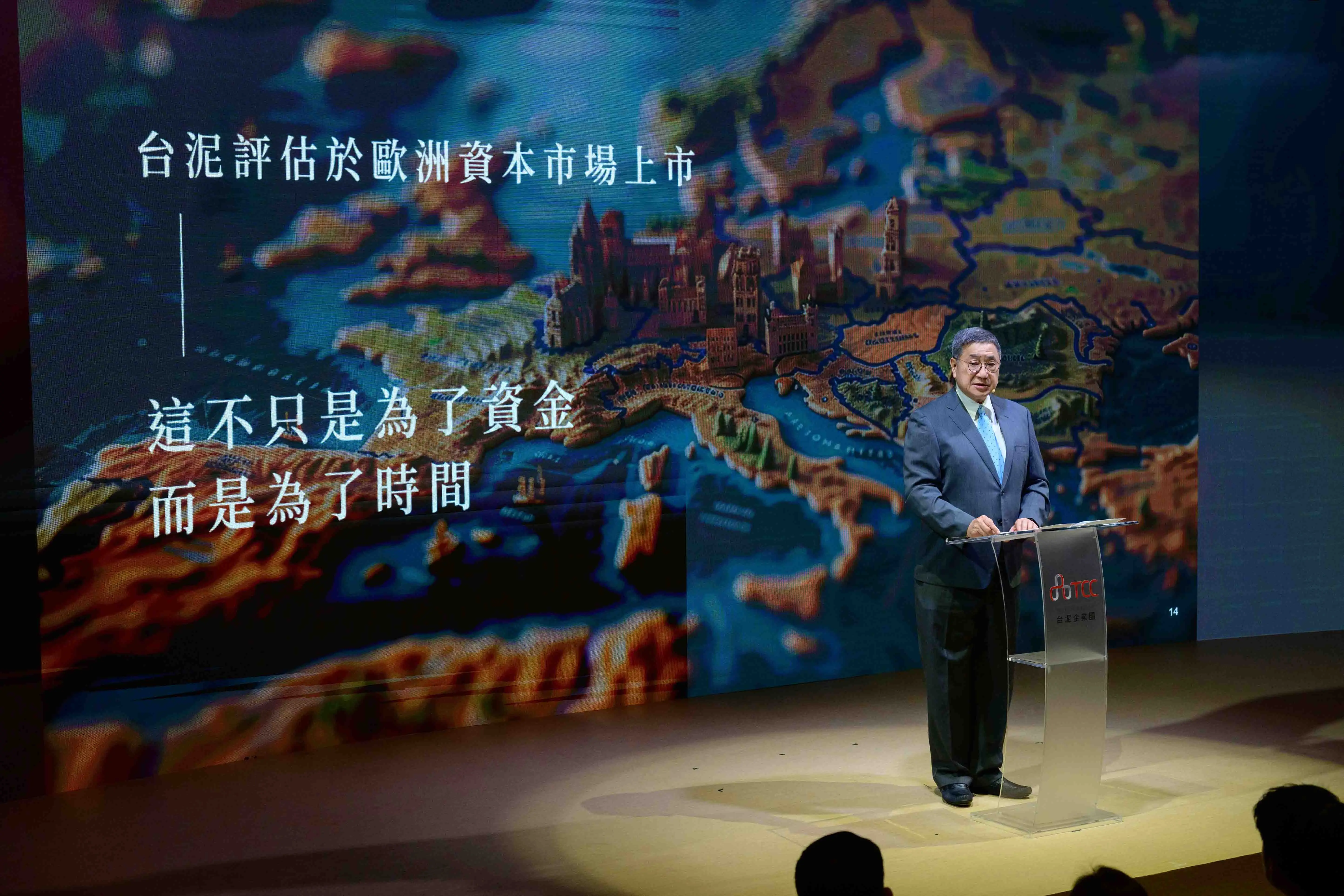
Marking the 80th anniversary, TCC Group Holding’s Chairman Nelson Chang announced that the group is evaluating a listing on European capital markets. TCC has appointed BNP Paribas, Morgan Stanley, and Goldman Sachs to conduct feasibility studies across four major financial hubs: London, Paris, Frankfurt, and Amsterdam.
Nelson emphasized that with 2050 Net Zero and CBAM mandates, cement has evolved into an integrated system of low-carbon materials and energy. "The future lies in combining material innovation with energy deployment," Chang stated at TCC’s "Building Dreams for Civilization" event. Addressing the shift, Nelson noted that TCC is moving beyond growth for growth's sake. "Eighty years is long enough to ask: what remains after growth? We aren't just creating value; we are standing the test of time."
Despite global headwinds, TCC has completed its "Double Platinum" certified Hangzhou headquarters and launched a calcined clay plant in Cameroon. New plants in Portugal and Ghana are set to go live this year, with the Portuguese facility reaching an 80% alternative fuel rate. Nelson described the European IPO plan as a strategic move "for time" rather than just capital. "Short-term thinking cannot solve long-term climate and energy challenges. While there are immediate costs, the long-term value is certain. The future divide will be defined by the ability to meet demand without burdening the planet."
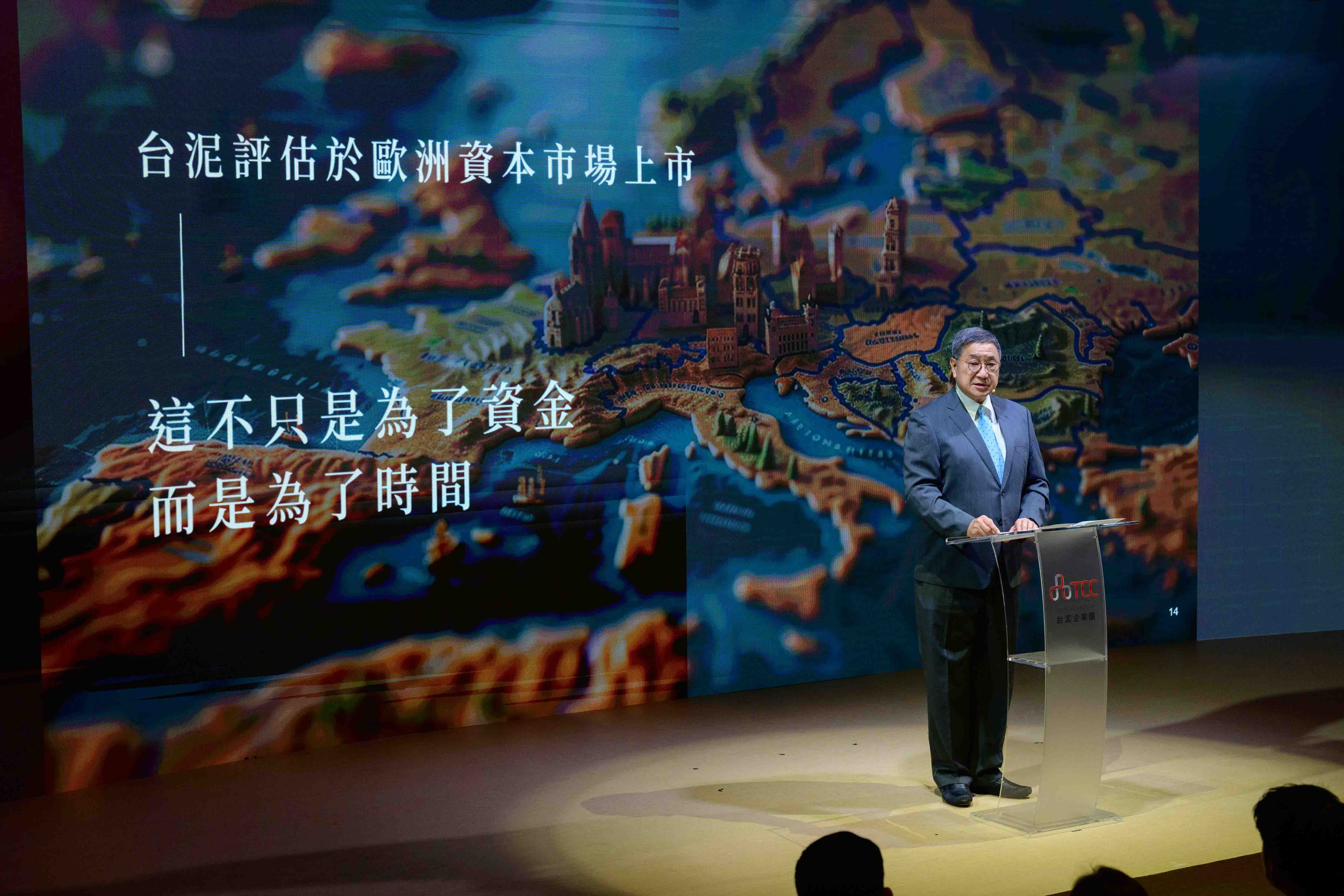
President of TCC Group Holdings Roman Cheng further explained the market logic behind selecting Europe as the listing venue. He noted that TCC’s revenue structure is now diversely distributed across three major regions: Taiwan accounts for 36%, other Asian regions 20%, and Europe 44%. With revenue reaching €1.9 billion, Europe has become the group’s largest single regional market. Cheng stated that over the past nine years, TCC has distributed a cumulative NT$106.7 billion in cash dividends, while currently maintaining total assets of NT$588.8 billion and net assets of NT$292.7 billion. He remarked that this scale and structure allow the company to drive regional platform development while possessing a stable capital base and the capacity for long-term investment. Cheng emphasized that in recent years, TCC has completed three key evolutionary stages: moving from a single market to cross-regional deployment, evolving from a single product to a convergence of emerging low-carbon and green energy technology industries, and transforming from a cement manufacturer into a pioneer of new energy technology.
Cheng pointed out that the European market brings together four structural drivers. First is the structural growth in demand for low-carbon building materials; while Europe’s overall annual GDP growth is approximately 1.5%, the demand for construction and low-carbon cement can reach nearly 4%. Over the next three years, construction output is expected to maintain growth of 3% to 5%, and over the next decade, combined investments in construction and housing renovation in the UK and France exceeding €1 trillion will continue to drive demand for low-carbon cement. Second is the maturity of carbon pricing mechanisms, currently at €75 per ton and expected by the market to reach €142 per ton by 2030. Third is the massive gap in the electrification transition; Europe targets 30 million electric vehicles and 3 million charging points by 2030, yet as of the end of 2025, these figures stood at only 8.3 million and 1.1 million, respectively. Fourth is the liberalization of electricity market trading, with a total trading volume in 2025 of approximately 10,247 TWh, accounting for about one-third of global annual power generation. Observing average electricity prices, the daily price spread can reach approximately €180, with an overall trading scale exceeding €900 billion. By 2025, commercial and industrial (C&I) energy storage capacity in the EMEA region remains below 5 GWh but is projected to grow to over 30 GWh by 2030.
Cheng stated that TCC’s cement capacity in Turkey is 24 million tons with a 16% market share and 80% utilization rate, providing the capacity to assist with future reconstruction needs in neighboring Central Asian and Eastern European countries. In Portugal, cement capacity stands at 11.2 million tons with a 52% market share and 50% utilization rate, offering significant growth opportunities for future low-carbon cement demand in France and the UK. Regarding the European listing plan, TCC has commissioned three international investment banks—BNP Paribas, Morgan Stanley, and Goldman Sachs—to jointly advance the evaluation. Cheng concluded that Europe itself is a mature and deep market, and these four cities are not just hubs for capital but stages where long-term value is understood and priced. The significance of this step has never been merely about entering a market, but about allowing this system to continue operating and extending over a longer period of time.
More Related Information
-
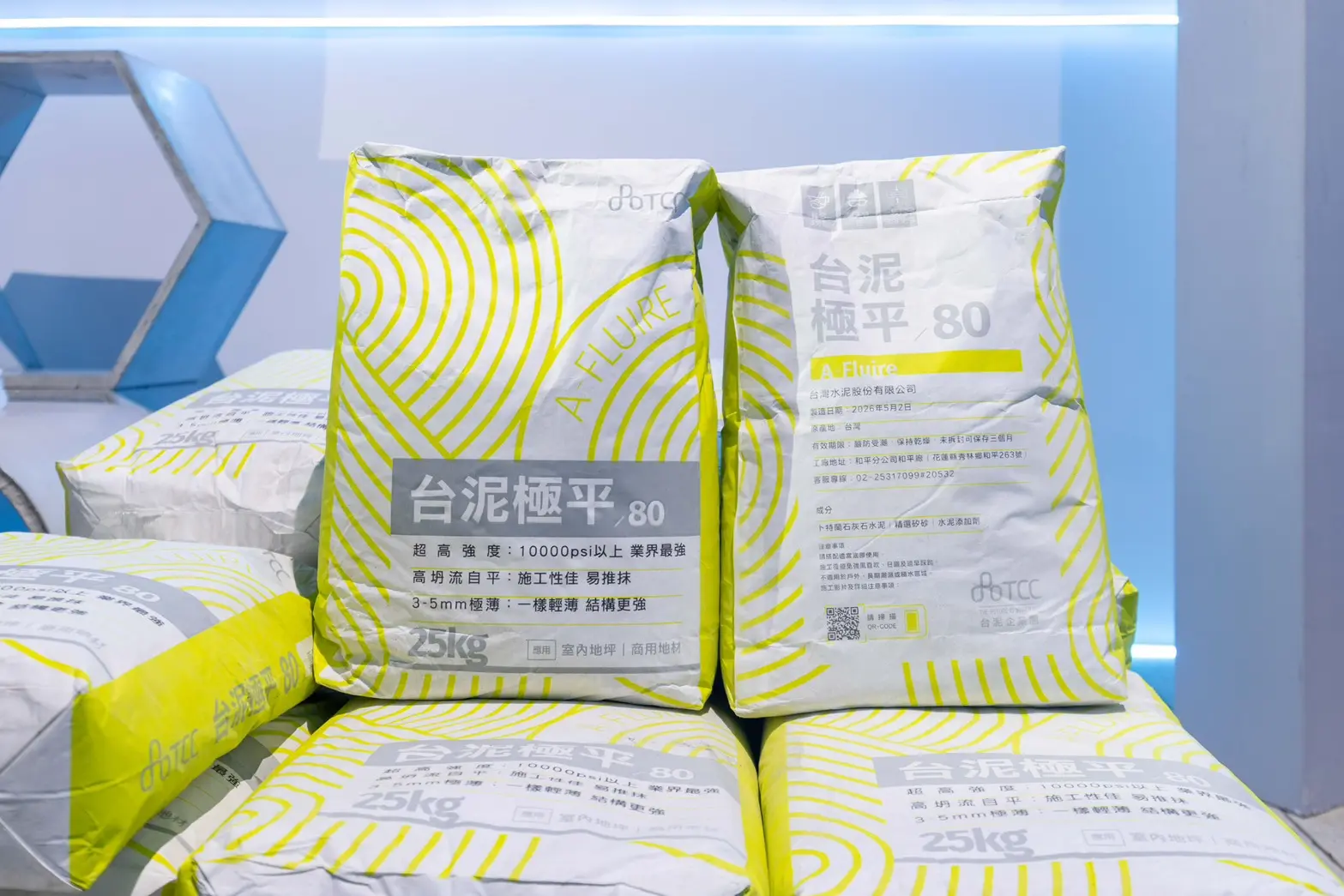 2026.05.02TCC Launches World's Strongest 10,000 psi "A-Fluire" Mortar for AI & Semiconductor Facilities; Turkey 3D Solar Homes Named COP31 Green Project
 -
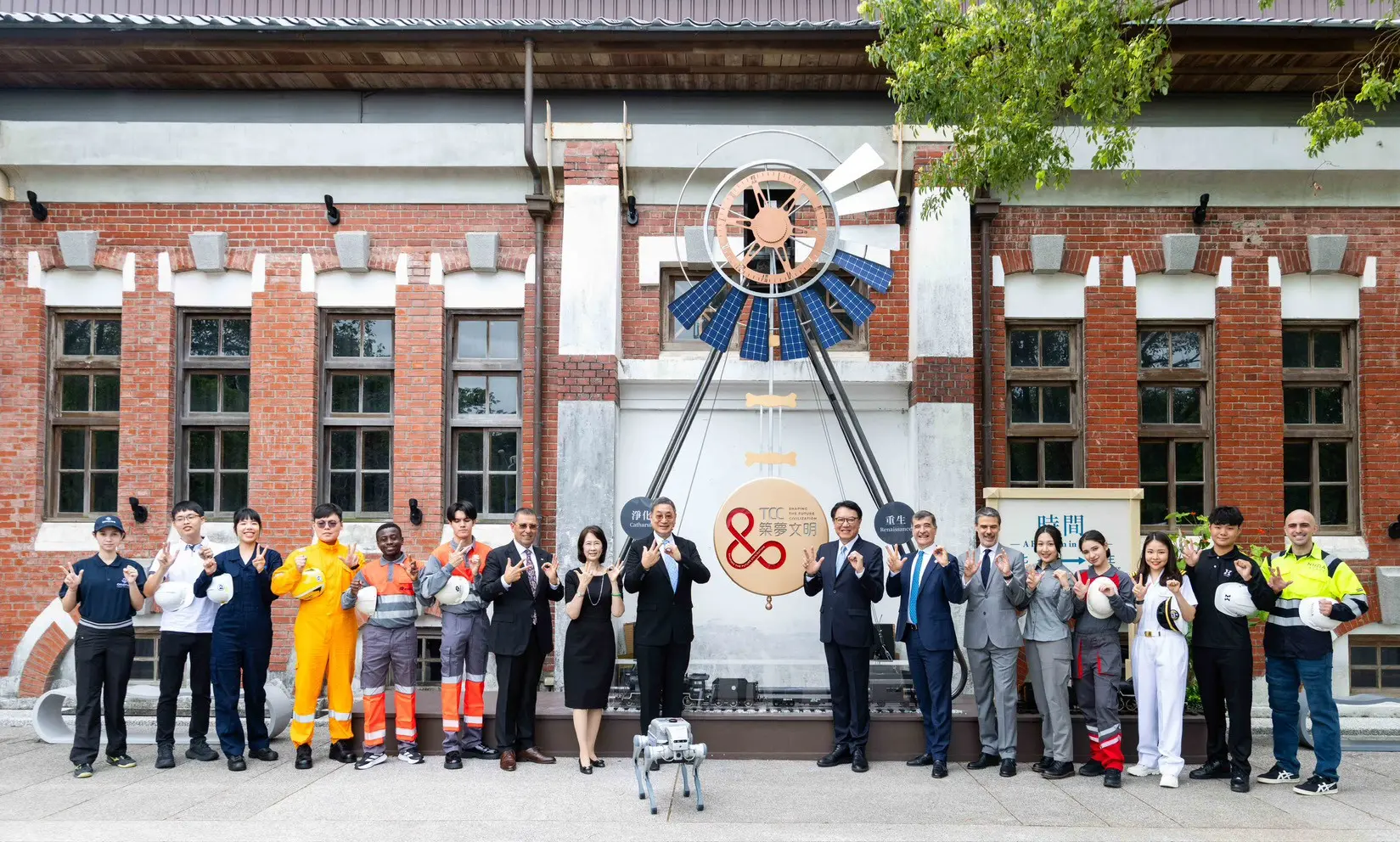 2026.05.02TCC Marks 80th Anniversary at HuaShan: Nelson Chang Leads Global Team Across Asia, Europe and Africa to Unveil Vision of "Shaping the Future Civilization"
 -
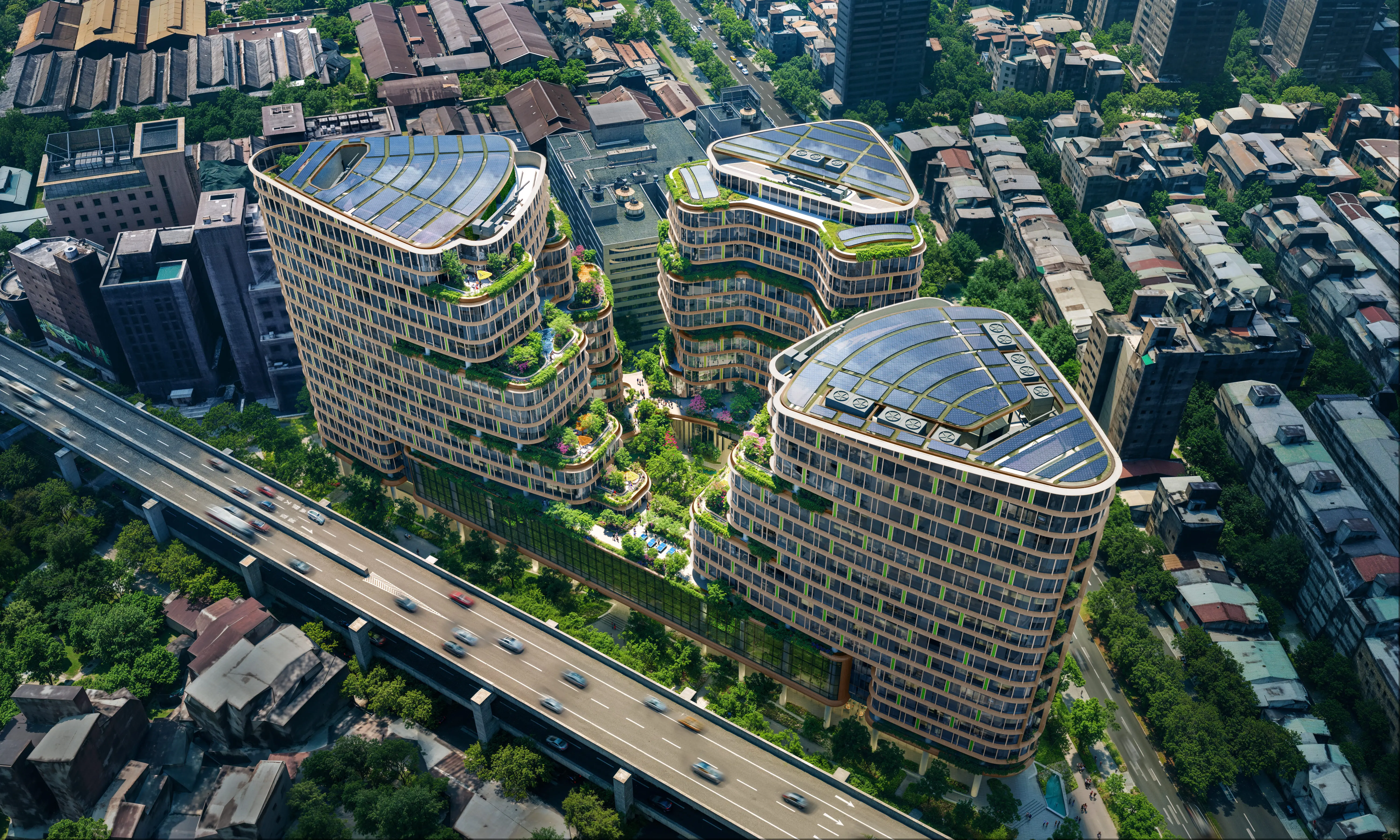 2026.04.09From Former Plant to Urban Oasis: TCC Board Approves Budget for New "Tower Urban Oasis" Corporate Headquarters