


[Insights] Prof. Hsu Analyzes the Impact of the Carbon Reduction Parent-Child Bankbook
- Home
- Sustainable E-newsletter
- [Insights] Prof. Hsu Analyzes the Impact of the Carbon Reduction Parent-Child Bankbook
Social 2025 Vol.04
[Insights] Prof. Hsu Analyzes the Impact of the Carbon Reduction Parent-Child Bankbook
- #Just Transition
- #Community Co-prosperity
- #Environmental Education
-

-

-


Chia-Wei Hsu, Wei-Ling Hu, Yi-Hsin Lin|Center for Corporate Sustainable Impact CEO / Project Manager
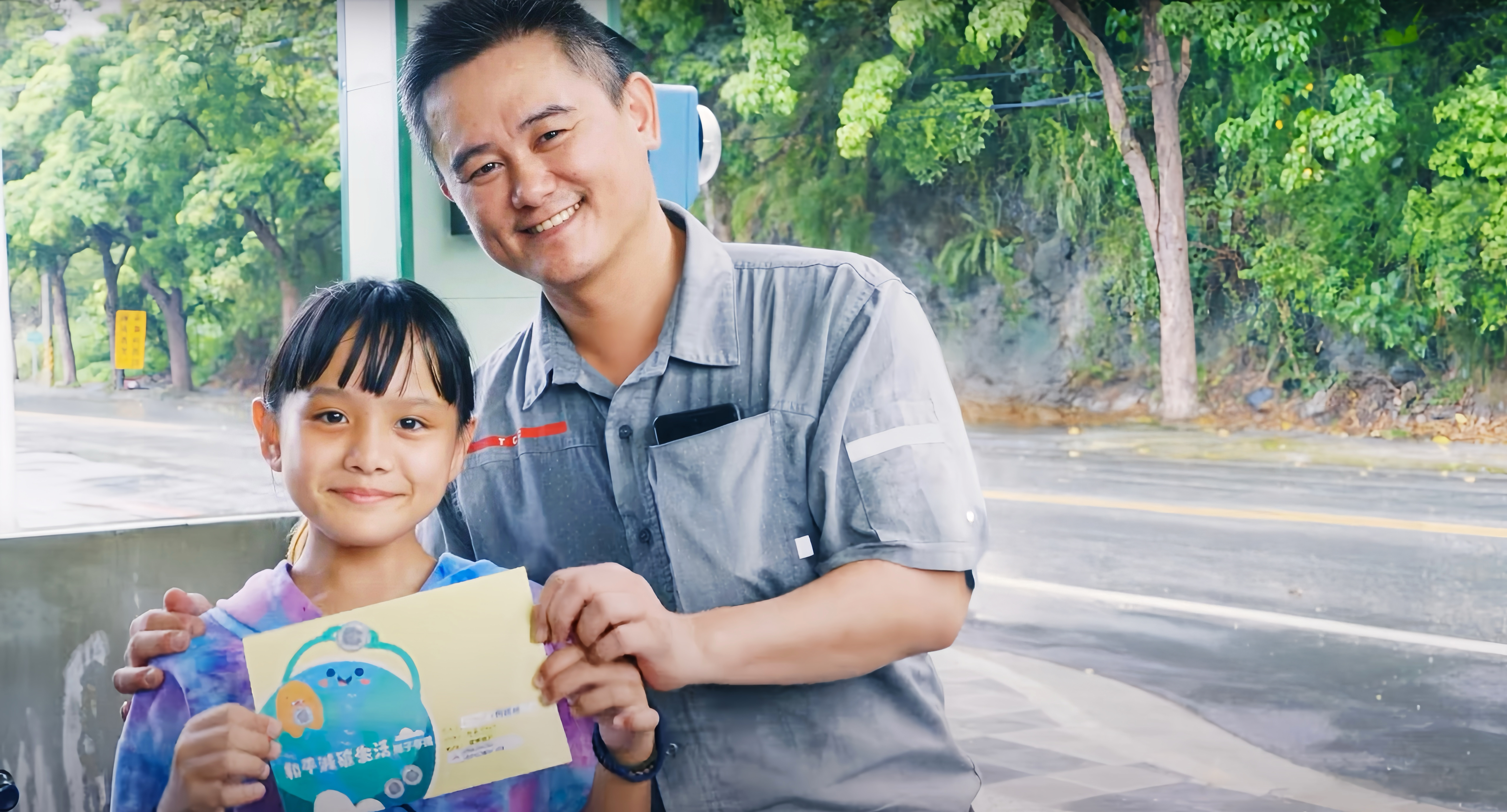
Rebuilding Trust: From Knowledge Transfer to Open Dialogue
What is the ideal relationship between a corporation and the local community surrounding an industrial park in transition?
At Hualien's Hoping Industrial Park, TCC is answering this by evolving from reactive communication to local wellbeing, and ultimately to collective action. While Net Zero strategies often prioritize KPIs, they risk overlooking the communities most affected. To bridge this gap, TCC launched a bold social design project: the Carbon Reduction Parent-Child Bankbook.
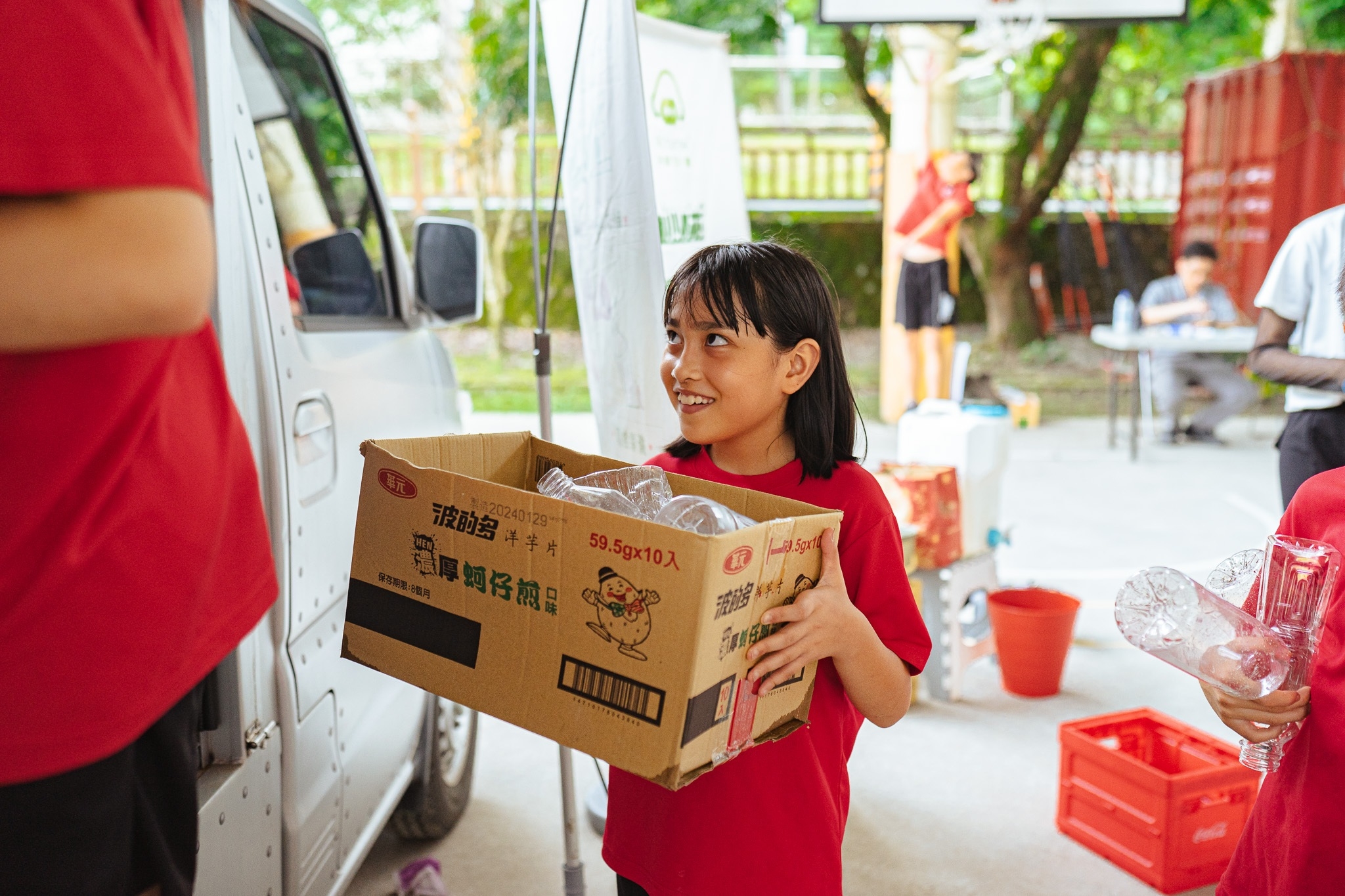
This initiative records eco-friendly habits—like zero food waste and recycling—converting them into "Carbon Coins" for household goods. By connecting schools with families, the project turns abstract carbon reduction into a daily, participatory lifestyle.
Each bankbook serves as an invitation for authentic dialogue on climate resilience. This sincerity lays the foundation for a Just Transition, ensuring carbon reduction is not merely cold data, but a heartfelt commitment to the homeland—and the true starting point for rebuilding social trust.
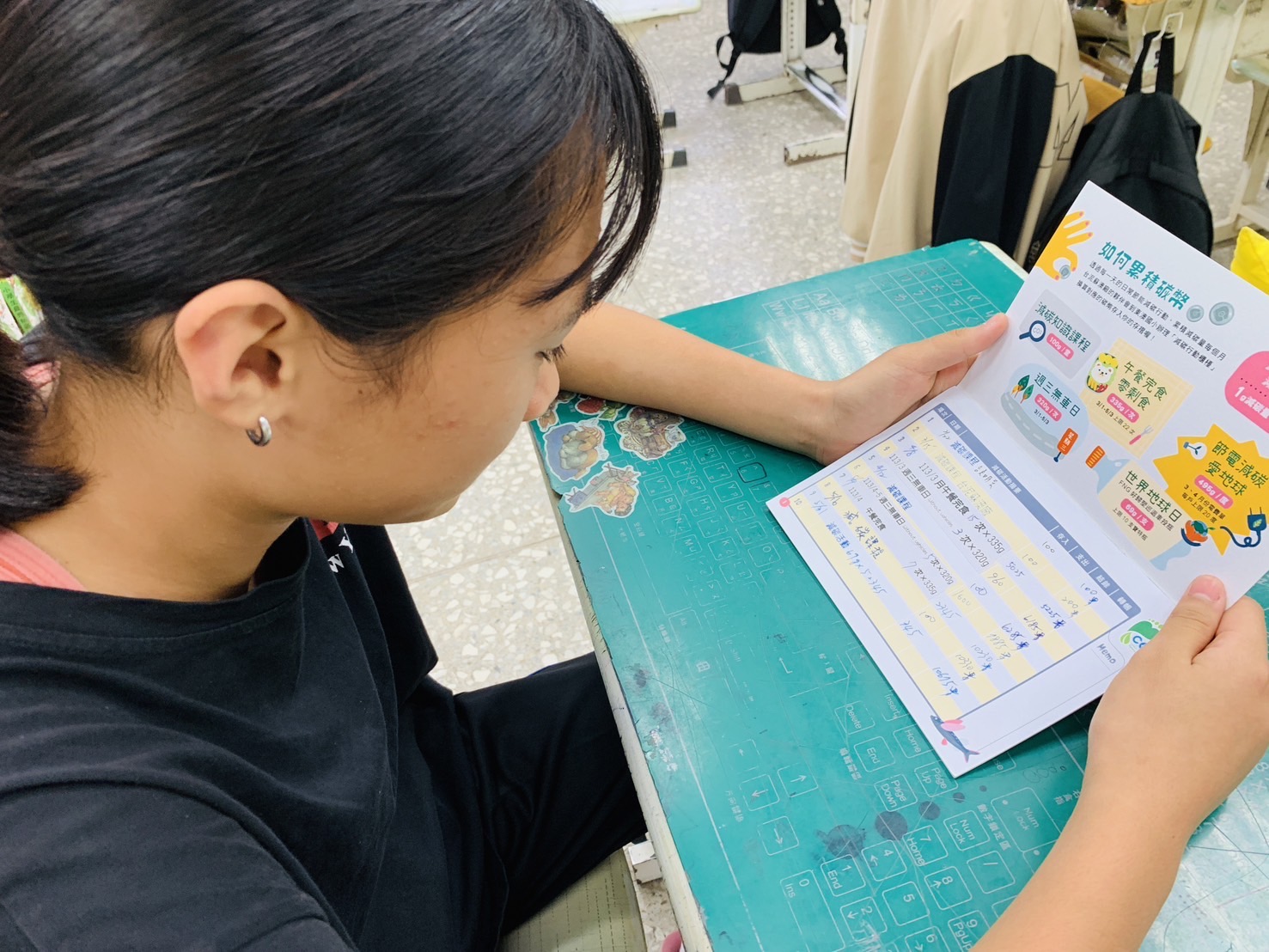
Small Hands, Big Impact: Leaving No One Behind
Why center the Carbon Reduction Parent-Child Bankbook on the family?
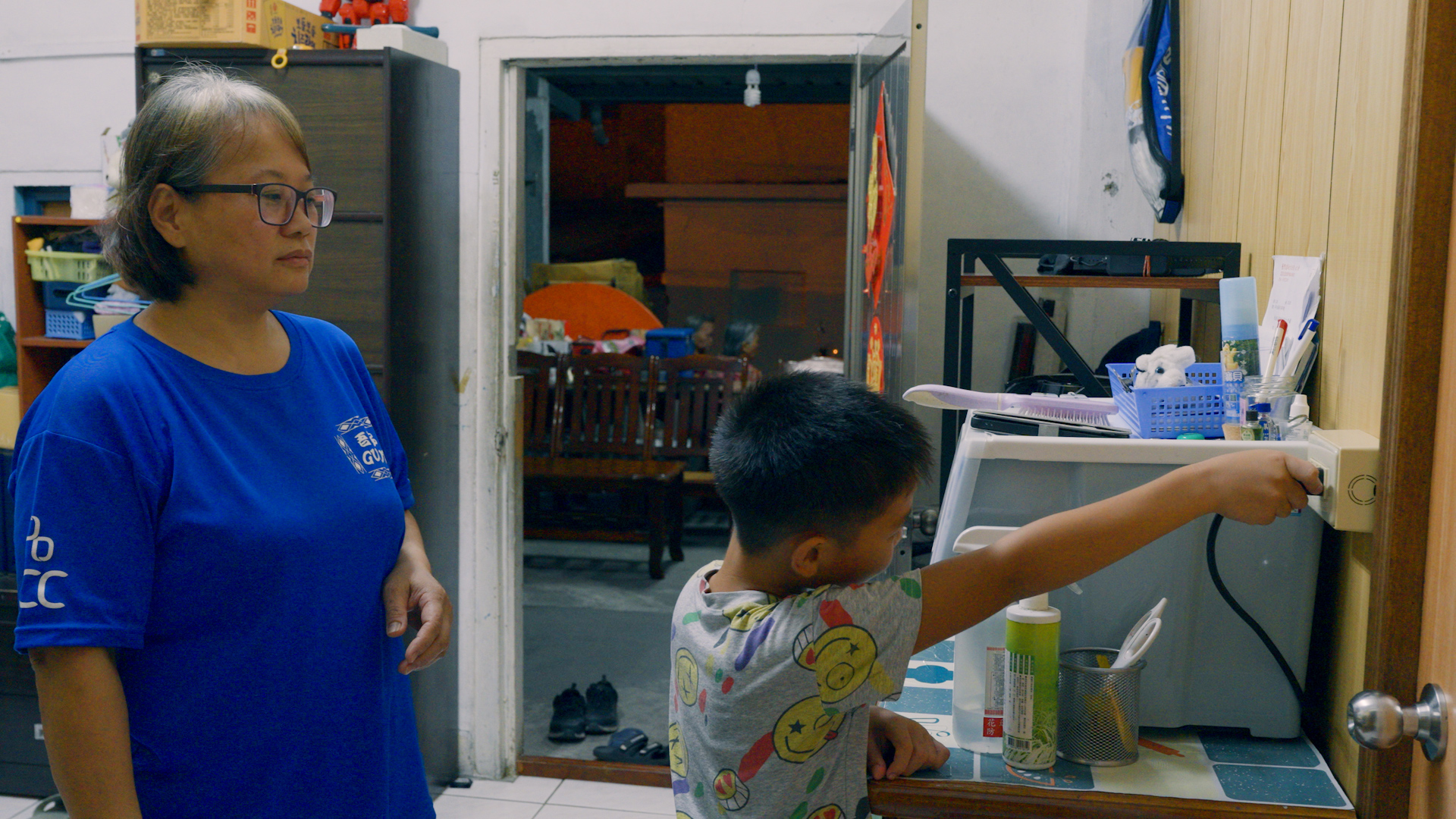
Research by the Tunghai University Center for Corporate Sustainability Impact reveals a powerful dynamic: children. Armed with environmental awareness from school, they act as enthusiastic "home inspectors," breaking through adult barriers to influence parents and tribal elders. This "small hands leading big hands" effect drives behavioral change from the bottom up.
In Hoping and Dong'ao, abstract "carbon budgets" have transformed into lively dinner table conversations. Residents once alienated by the industrial transition found a renewed sense of belonging. As children switch off lights and reduce waste to earn Carbon Coins, they serve as the core engine of household change.
This approach ensures sustainability extends beyond factories and classrooms. When the entire community aligns on carbon reduction, transition anxiety turns into a shared drive to protect the homeland. This consensus forms the bedrock of trust, reaffirming TCC's commitment: in the face of climate change, no one is left behind.
The Warmth Behind Data: From Empathy to Shared Wellbeing
Trust is built on genuine participation. According to TCC's 2025 Impact Assessment for the "Carbon Reduction Parent-Child Bankbook," the project engaged over 300 participants across three sites. Quantitative analysis reveals a strong consensus: participants showed high commitment to environmental protection, with 80% now adopting 26–28°C air conditioning as a standard habit.
Even more moving than the statistics, however, is the "warmth of change" revealed in qualitative interviews. At Dong'ao Elementary, children transformed into active "carbon reduction monitors," checking electric bills and auditing household usage. At Hoping Elementary, students not only developed recycling habits but also transformed their carbon reduction journeys into award-winning "essays," elevating their participation from a passive requirement into self-actualization. For tribal residents, trust grew from TCC listening to local needs and linking rewards to daily necessities—sustained engagement that dissolved barriers between the corporation and the community.

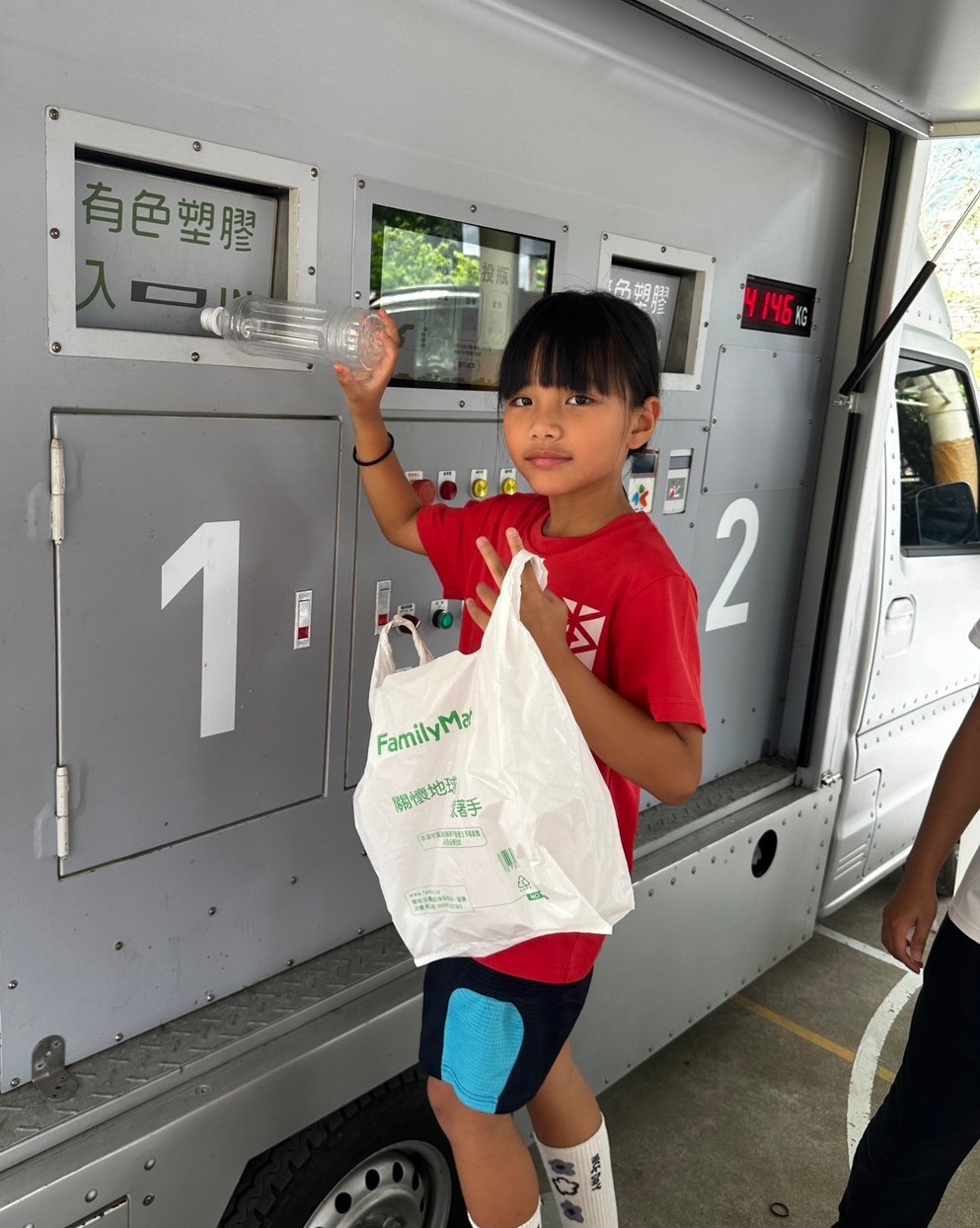
This blend of qualitative and quantitative insights gives the data depth. By weaving carbon reduction into local culture—such as the DAKA Market and Flying Fish Festival—sustainability becomes a lifestyle rather than a mandate. This strategy successfully grounds Net Zero, moving it from abstract metrics into the community's daily reality.
Sowing the Seeds of Resilience through Sustainable Action
The Just Transition requires identifying affected groups and ensuring every voice is heard through active dialogue. By following this with targeted support and data-driven reviews, TCC has achieved a "child-to-family-to-community" ripple effect—a pivotal step in rebuilding trust.
However, social impact is a marathon. The next challenge is to refine this consensus into resilient local culture by integrating the Carbon Reduction Parent-Child Bankbook with traditional tribal wisdom. When motivation shifts from the external drive of "earning rewards" to the intrinsic pride of "guarding the homeland," carbon reduction evolves. It ceases to be a "finite action" bound by timelines and becomes an "infinite action"—spontaneously sustained by the community.

AUTHOR
Chia-Wei Hsu, Wei-Ling Hu, Yi-Hsin Lin|
Center for Corporate Sustainable Impact CEO / Project Manager
The Tunghai University Center for Corporate Sustainability Impact has long assisted companies in engaging with international investor ratings. The Center specializes in supply chain impact, climate and nature-related assessments (TCFD/TNFD), human rights due diligence, and community impact.
-
 Governance 2025 Vol.04 Outlook 2026: TCC Solidifies Global Resilience via Low-Carbon Tech and Accountable Governance
 -
 Environmental 2025 Vol.04 Beyond Carbon Disclosure: TCC Secures Taiwan's First Cement EPD in Global Strategic Push
 -
![Data Transparency & Seamless Search: [TCC AI] Accelerates Your Insight into TCC's Global Operations](https://www.tccgroupholdings.com/cache/8MsCemoFENYJpr0bIteZ5jTXN7IbOFNiR6x1gkARXOxzmRilw0SQGUe3y1sYGyg5PmdKON8AoiGyVhYzbEkKuGsxMG99Avfkccy4rpjGS7qj8KziyE636sslc.webp) Governance 2025 Vol.04 Data Transparency & Seamless Search: [TCC AI] Accelerates Your Insight into TCC's Global Operations
Governance 2025 Vol.04 Data Transparency & Seamless Search: [TCC AI] Accelerates Your Insight into TCC's Global Operations -
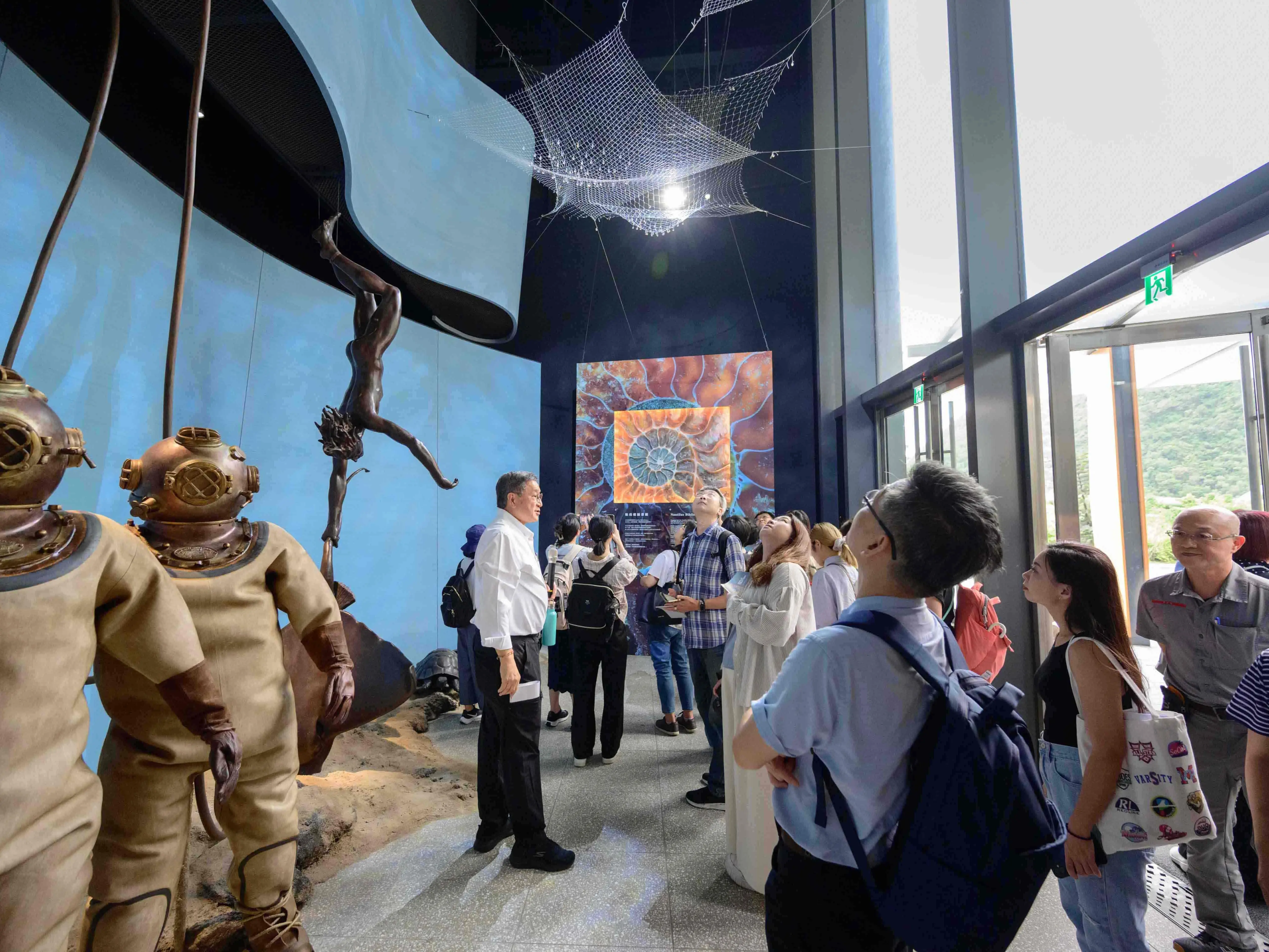 Social 2025 Vol.04 Where Industry Meets Humanity: The Spiral Sanctuary of the Nautilus Bibliotheca
 -
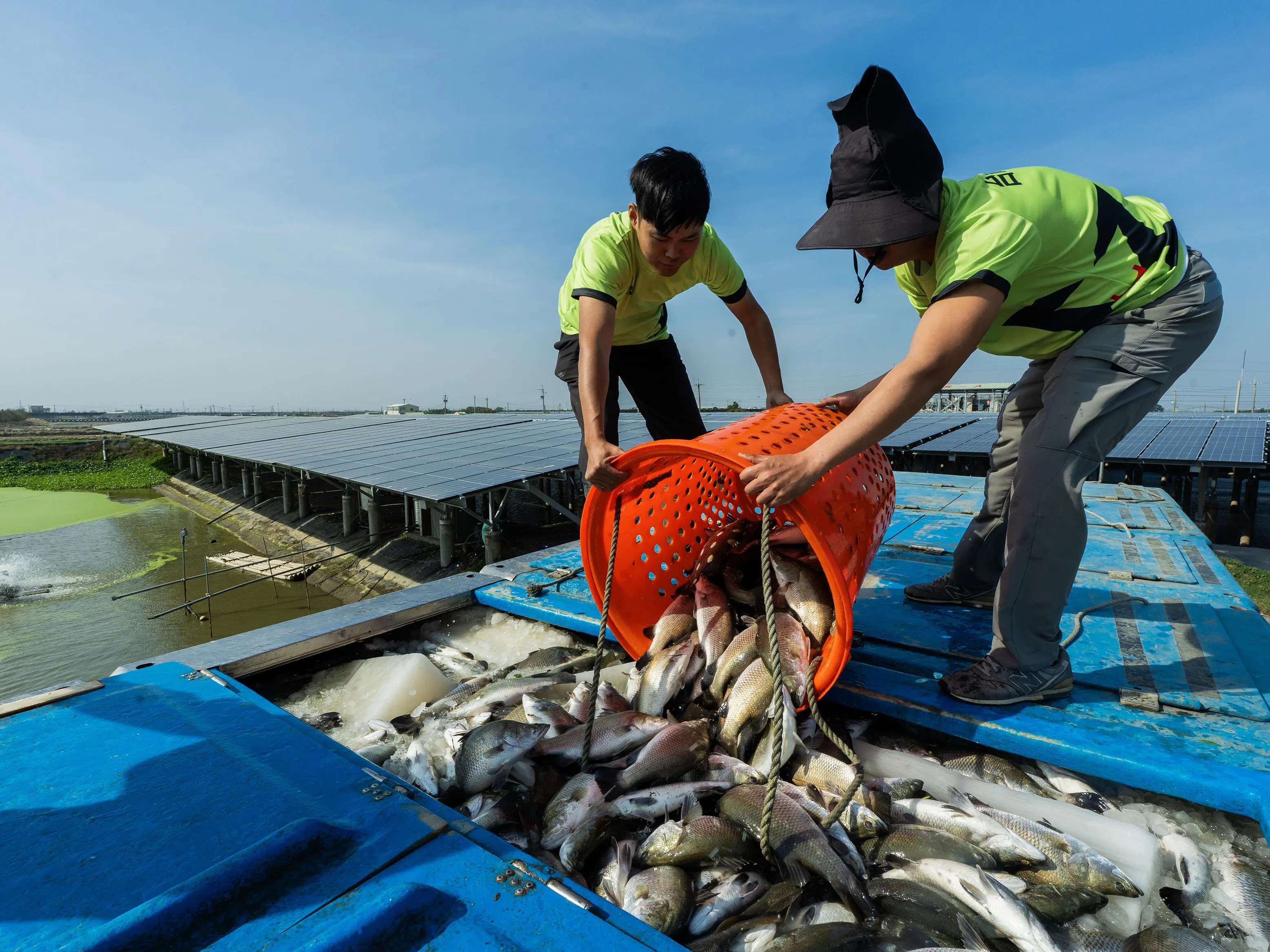 Environmental 2025 Vol.04 Chiayi Aquavoltaics Harvest: TCC Pioneers Traceability for Local Fish Farmers
TCC GROUP HOLDINGS
SUSTAINABLE E-NEWSLETTER.