


TCC Earns Taiwan's First Dual EPD for Cement and Concrete
- Home
- Sustainable E-newsletter
- TCC Earns Taiwan's First Dual EPD for Cement and Concrete
Environmental 2026 Vol.03
TCC Earns Taiwan's First Dual EPD for Cement and Concrete
- #EPD
-

-

Share

Sam Hung|Director, Corporate Sales Department
How much carbon a building emits is not settled at handover. Emissions begin accumulating the moment cement, steel and glass are manufactured. As construction accelerates its decarbonization worldwide, credible and comparable environmental data on materials has become a working requirement for owners, architects and contractors managing carbon.
Portland Limestone Cement (Type IL) and Portland Limestone Cement Concrete (Type IL) produced by TCC have received Taiwan's first dual EPD certification for cement and concrete, disclosing life cycle environmental information by a standardized method from the production stage onward.
Beyond CO₂: Environmental Information That Can Be Verified
An Environmental Product Declaration (EPD) follows the ISO 14025 framework, setting out a product's environmental profile through life cycle assessment (LCA), verified by a third party and publicly disclosed. A product carbon footprint reports a single indicator. An EPD covers water deprivation, waste management, acidification, eutrophication and ozone depletion alongside global warming potential (GWP), so that a product's environmental impact can be quantified and understood by a consistent method.
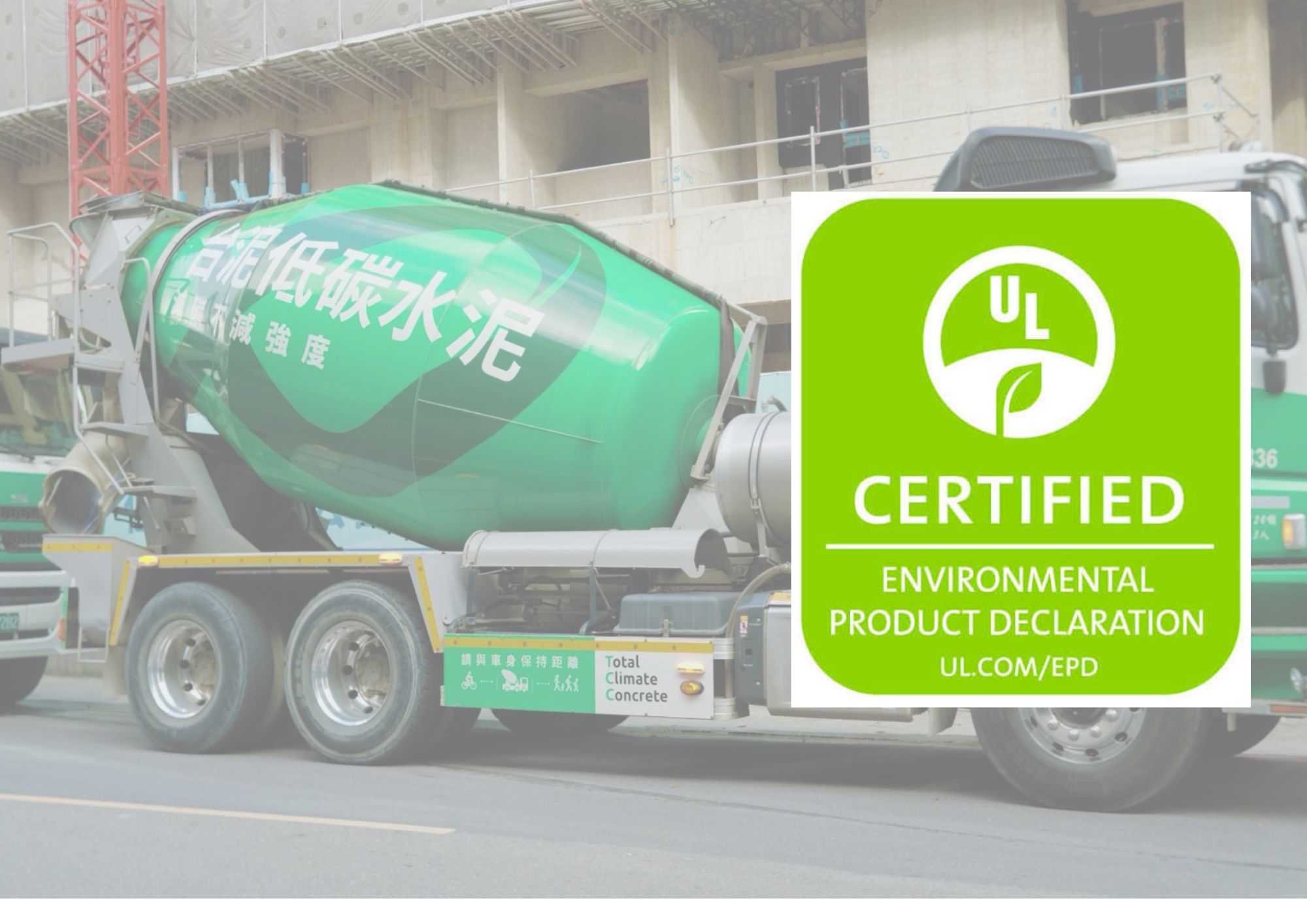
For building owners, the point is not one more green certificate. It is a set of traceable, verifiable product data. When a project runs an embodied carbon inventory, applies for green building certification or carbon management in supply chains, that data gives a clearer view of the material side.
Starting With a Cement Delivery Note: Moving Material Carbon Data Downstream
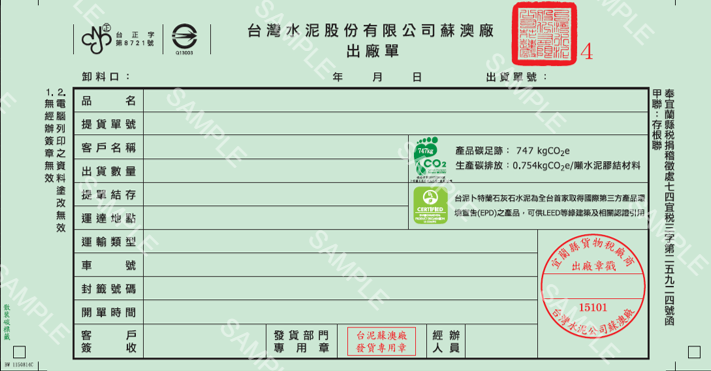
Cement is a principal raw material in concrete, which makes source-material emissions data central to reducing the embodied carbon of concrete and of the building as a whole. A cement delivery note has traditionally recorded item, weight and delivery details. TCC now integrates low-carbon cement environmental information into dispatch records, so contractors and owners receive the product's environmental data and certification records along with the material. The note states the product carbon footprint, carbon emissions per tonne of cementitious material produced, and supporting data for green building certification and carbon inventory work.
A delivery note is no longer only a record of how much cement was shipped. It becomes one of the points at which the construction supply chain can begin tracking material environmental data. For companies managing Scope 3 supply chain emissions, verified product-level figures also raise the quality of carbon inventory data and reduce the uncertainty that comes with estimating from generic emission factors.
From Cement to Concrete: Source Reduction Reaches the Site
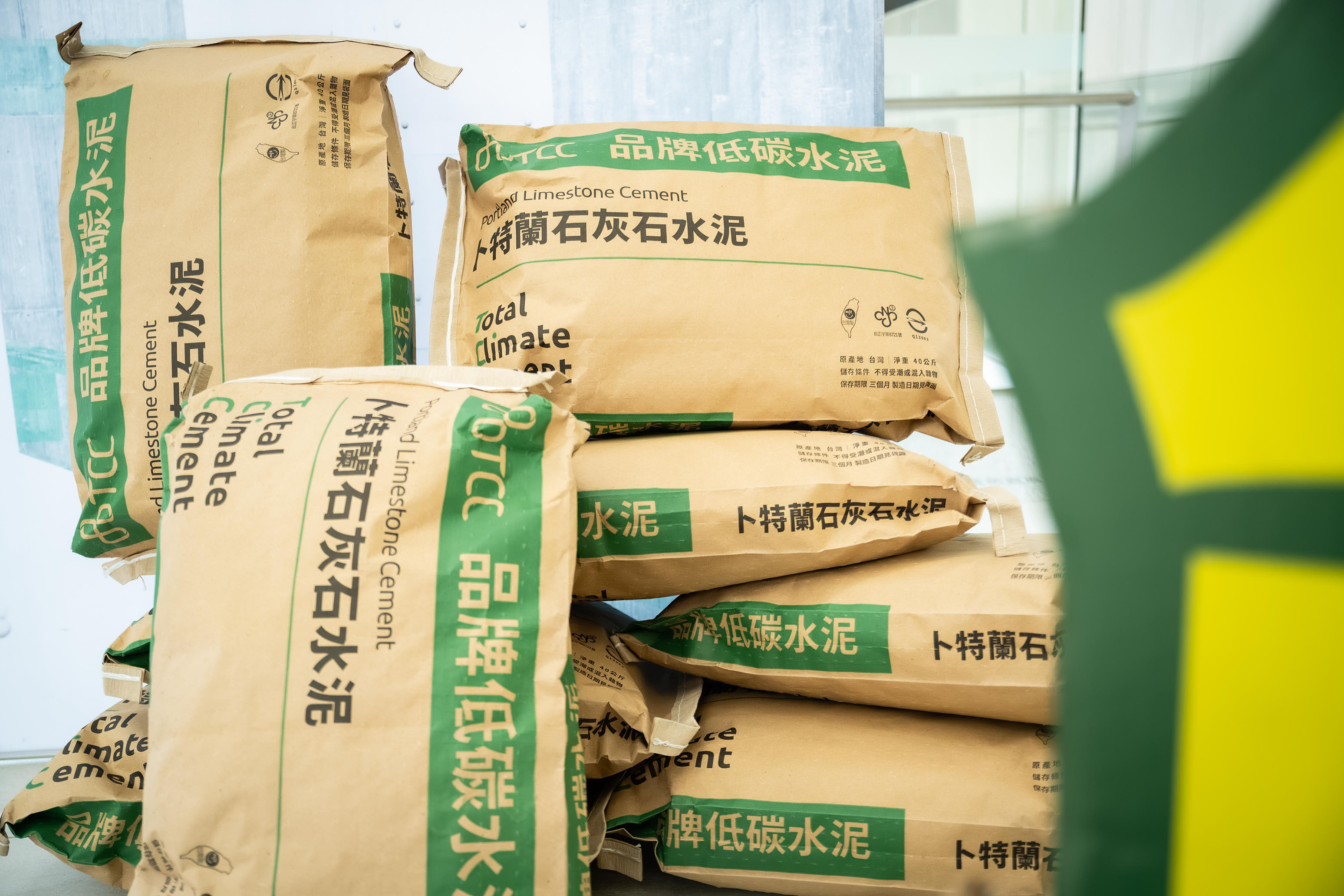
TCC's Type IL cement lowers clinker use through its Portland limestone cement formulation and extends into Type IL low-carbon concrete, carrying reduction from the cement source through to the construction site.
Since launch, contracted volume of Type IL low-carbon concrete has passed 10 million cubic meters, with 5.55 million cubic meters shipped. According to TCC's data, that represents more than 1.113 million tonnes of CO₂ avoided against traditional Type I concrete.
These low-carbon materials are now in use across commercial offices, high-tech plants, residential buildings and semiconductor-related construction, giving owners a route to building decarbonization that starts with the material itself.

The Real Value of EPD: Decarbonization with Data Behind It
International green building systems have moved steadily toward whole life cycle carbon. Alongside operational energy efficiency, the embodied carbon generated in manufacturing, transport and construction has become a significant part of the reduction task, and schemes such as LEED now place growing weight on material environmental information. The product-level data an EPD provides serves as a source for material inventories, life cycle assessment and embodied carbon calculation.
In Taiwan, as low-carbon building, building embodied carbon and corporate supply chain carbon management draw more attention, traceable material environmental data matters just as much. For owners, choosing materials with EPD data is less about certification points than about being able to answer three questions:
What materials were used? What is their environmental impact? Can those figures be verified?
As building decarbonization moves from advocacy into genuine inventory and management, those three questions will only carry more weight.
From Product Certification to Supply Chain Data Transparency
Green procurement systems worldwide are folding life cycle information into purchasing and material assessment, which reflects a shift already underway in the materials market: competition will turn on whether product environmental information is transparent, complete and open to verification, not on price, performance and supply capacity alone. The significance of TCC's dual EPD certification lies less in completing a product verification than in moving life cycle and emissions data that once stayed inside the plant into the construction supply chain downstream.
From cement production to concrete manufacturing to an owner's building carbon inventory, traceable material data takes decarbonization beyond the idea of using low-carbon materials and into something that can be calculated, managed and verified.
So where does decarbonization begin for a building? Sometimes, with a cement delivery note.
AUTHOR

Sam Hung|Director, Corporate Sales Department
You may also like
-
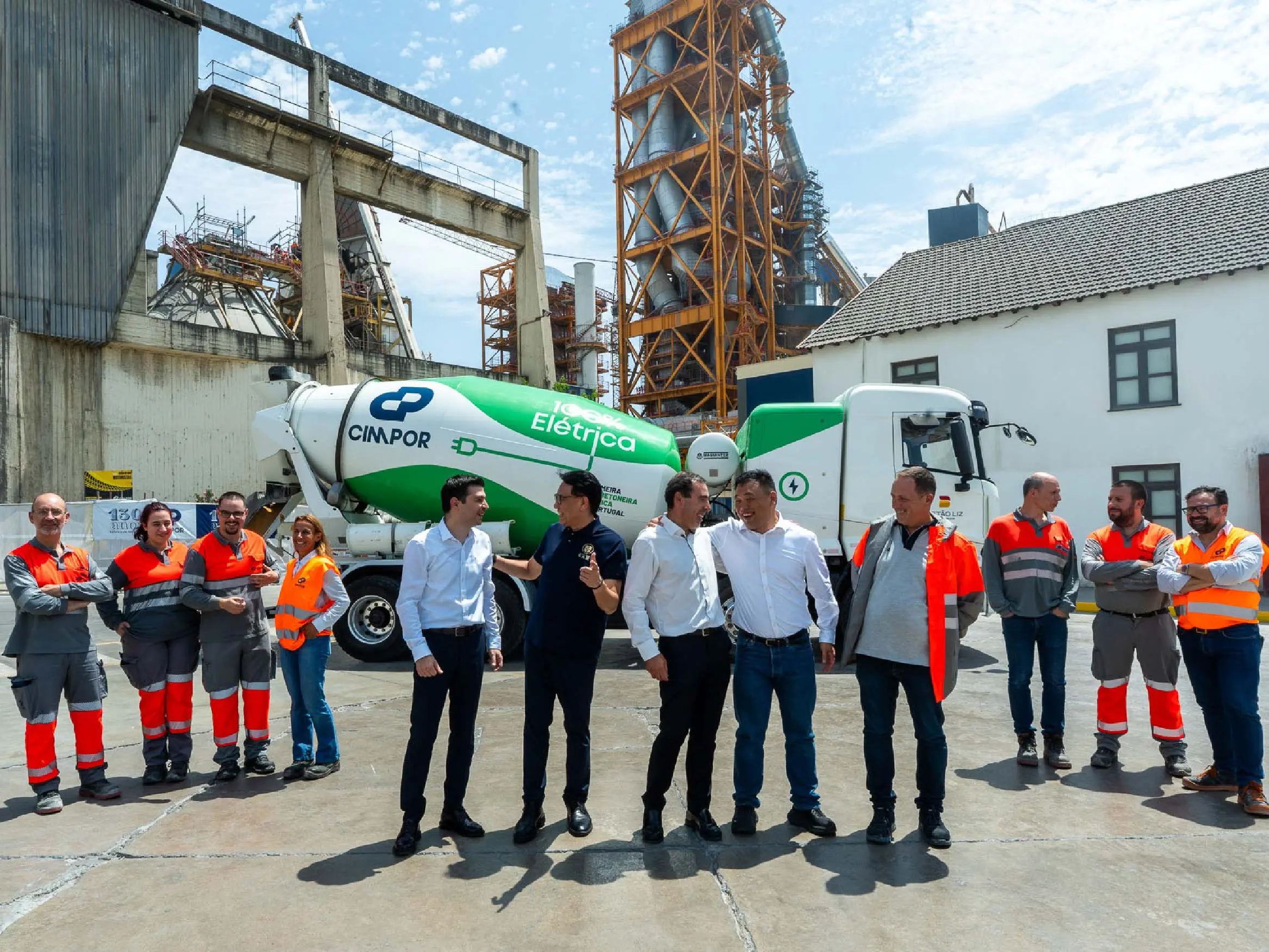 Latest News 2026 Vol.03 TCC to List European and African Cement Business via Cimpor International
 -
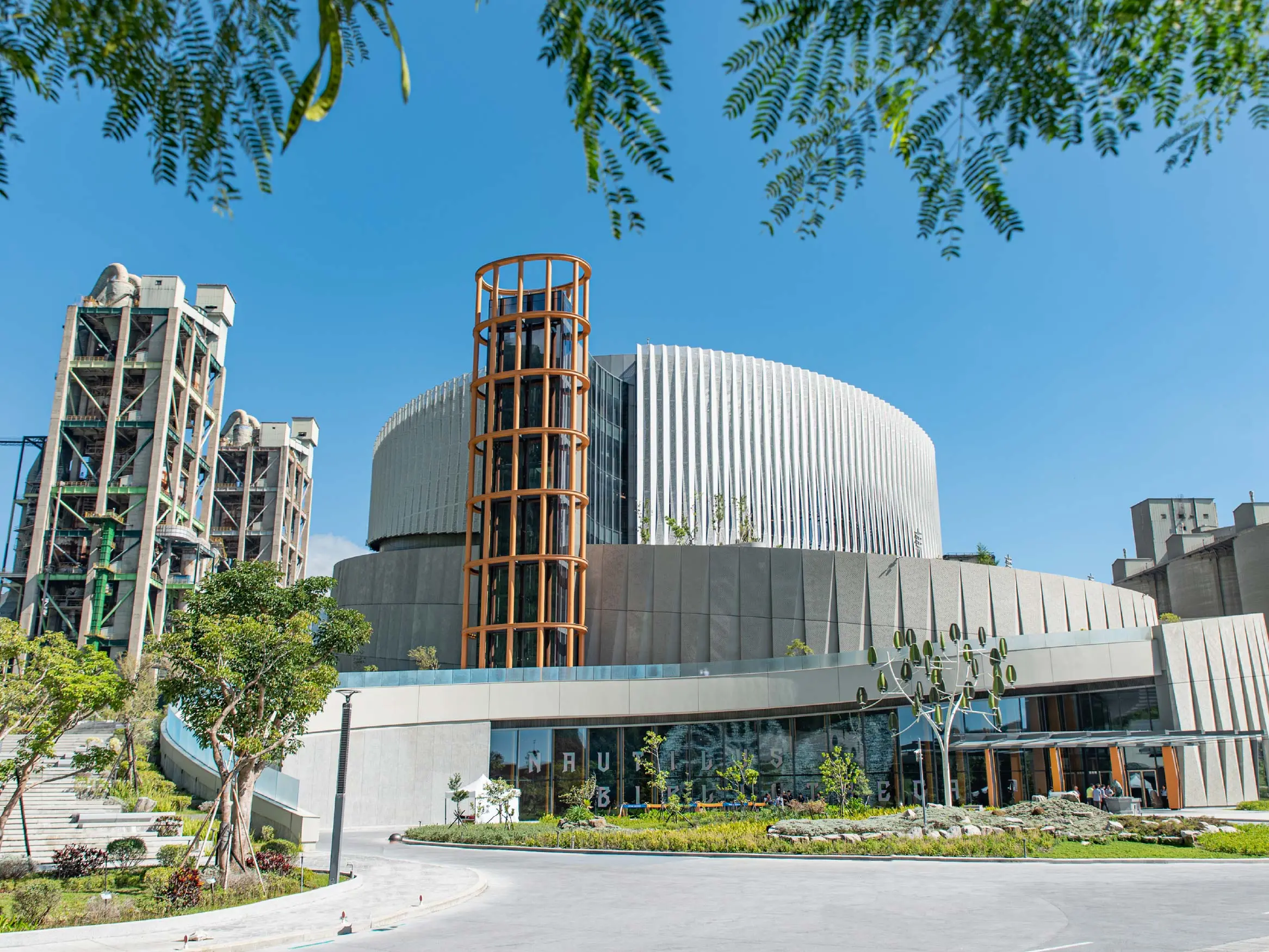 Environmental 2026 Vol.03 TCC's DAKA RRRC Wins Green GOOD DESIGN Award, Redefining Industrial Aesthetics
 -
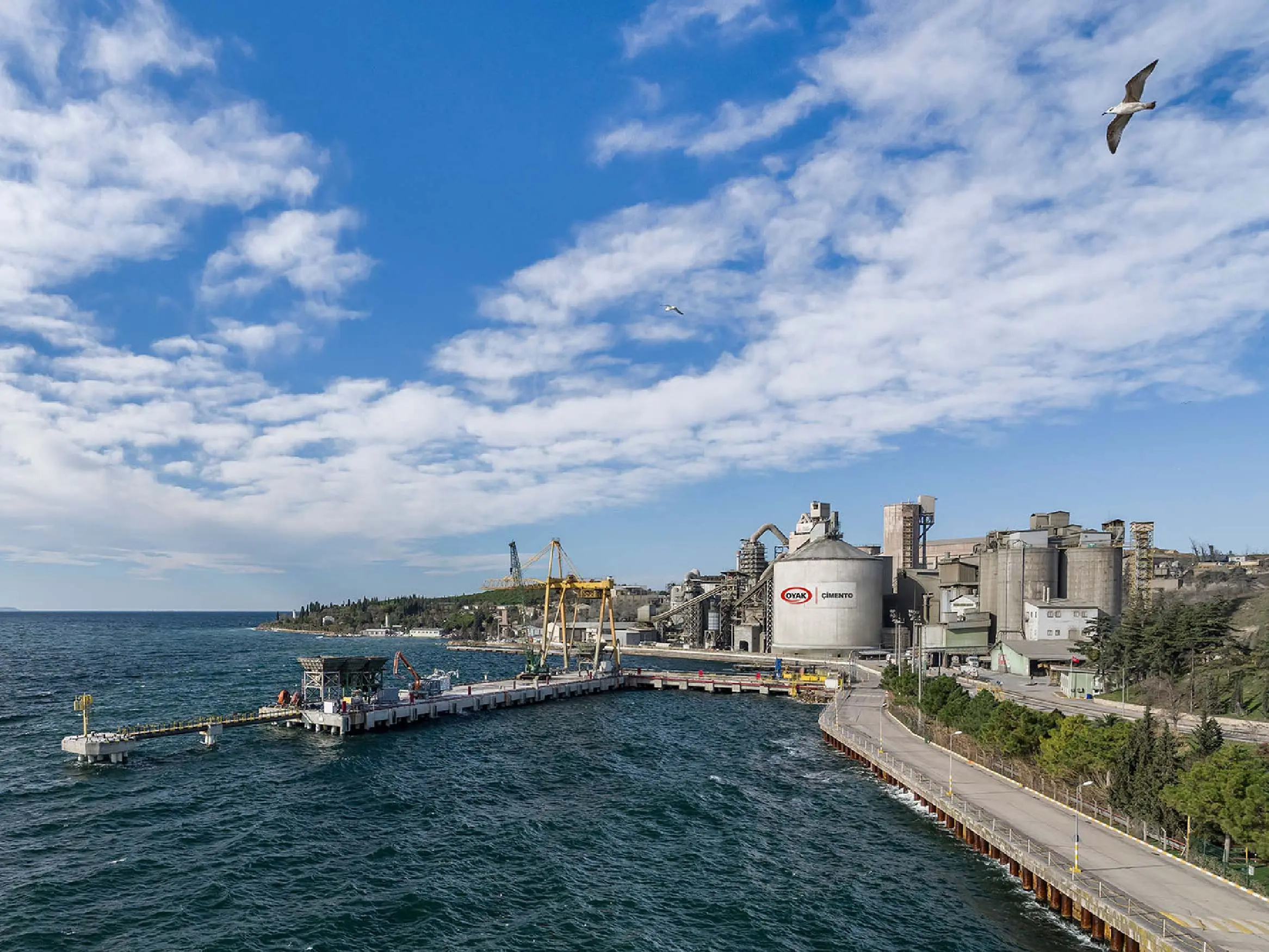 Governance 2026 Vol.03 TCC Maintains "Stable" Taiwan Ratings Outlook for Third Year
 -
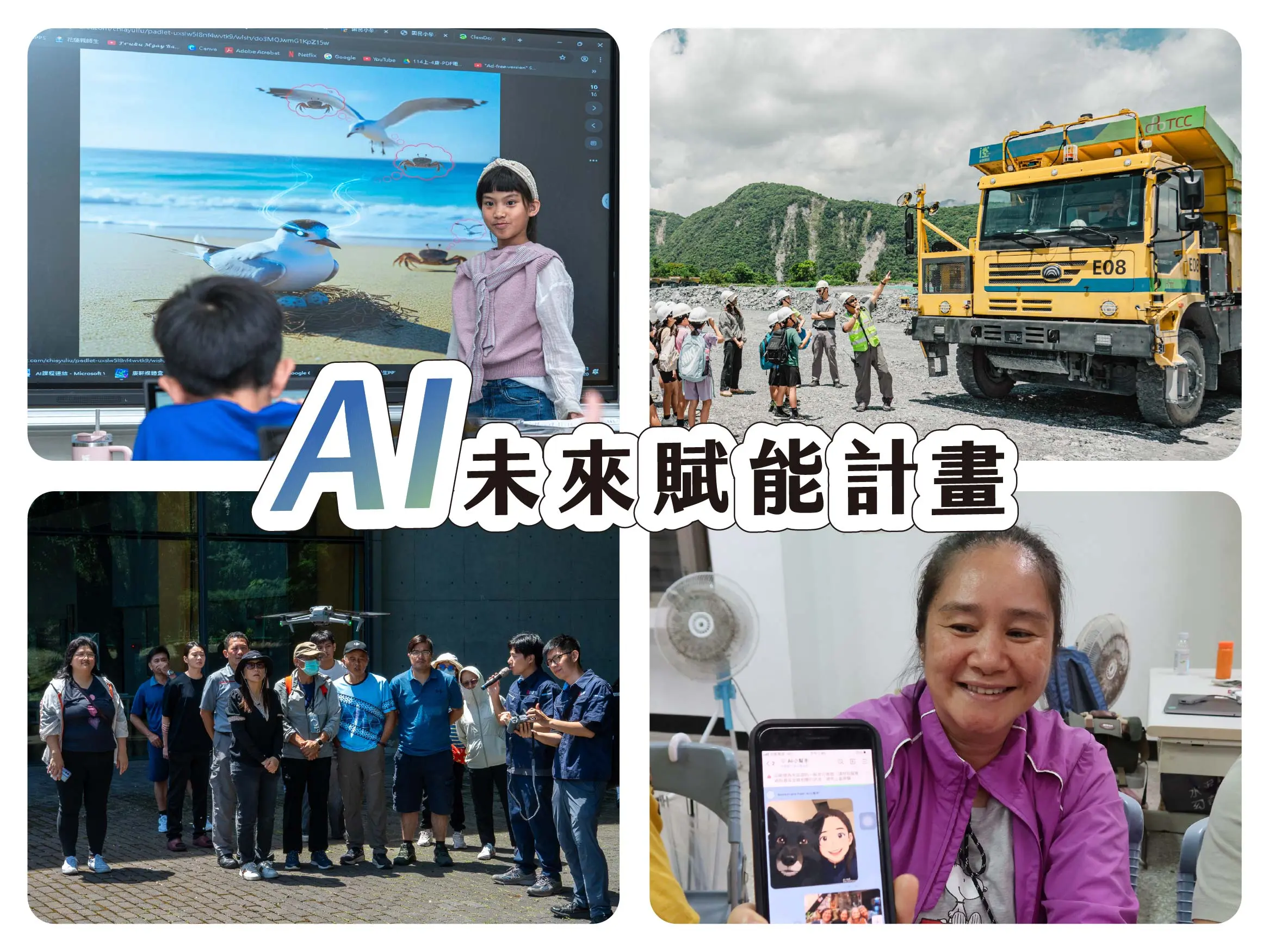 Social 2026 Vol.03 TCC's "AI Co-Learning & Empowerment Project": Navigating Transition with Tribal Residents
 -
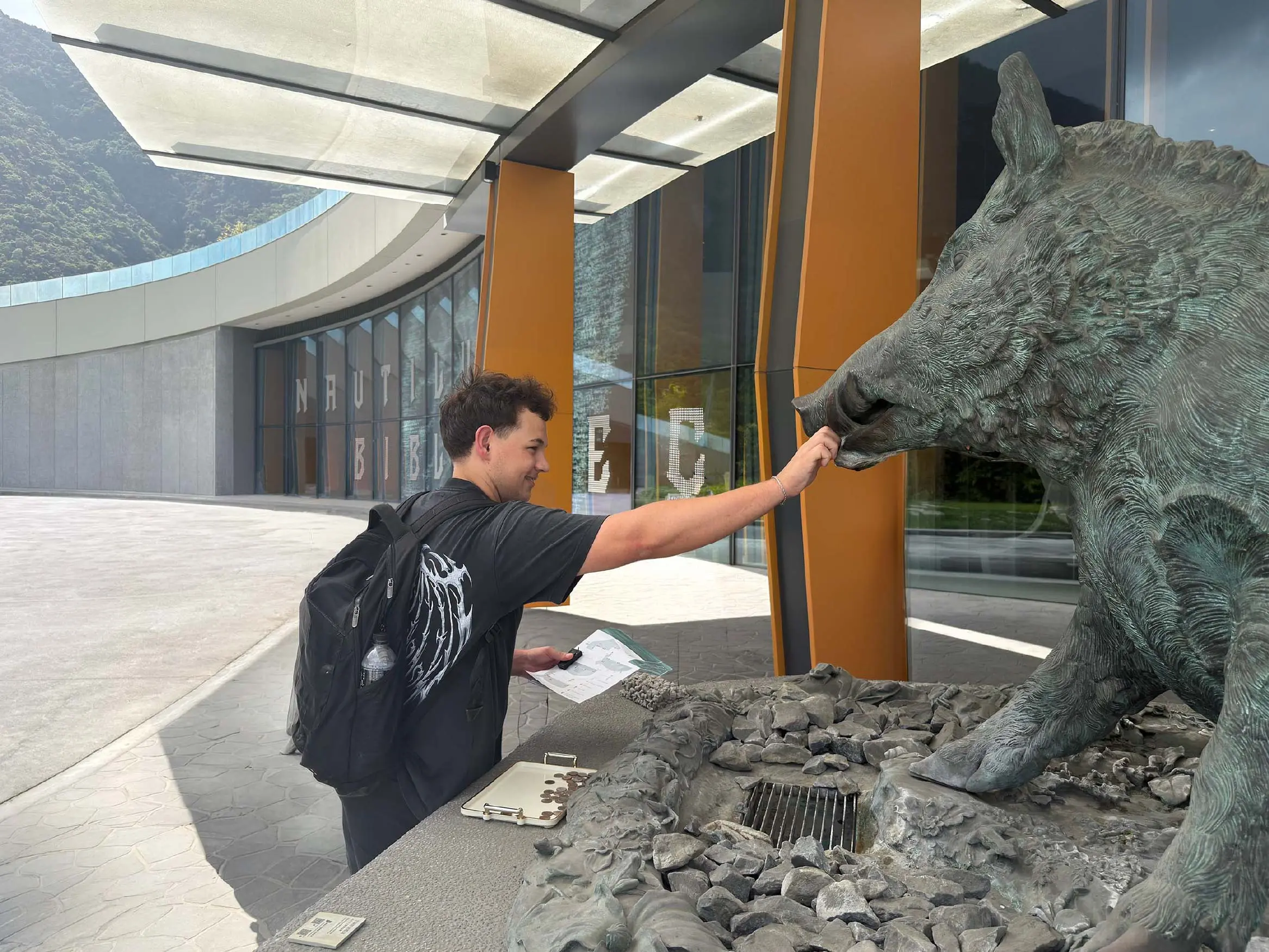 Social 2026 Vol.03 Building Something That Lasts: A Princeton Intern's Summer at TCC
TCC GROUP HOLDINGS
SUSTAINABLE E-NEWSLETTER.