


TCC Chairman Nelson Chang: Full Support for the Government’s Policy to Reduce Cement Imports. Dumping of Imported Cement Poses a Serious Threat to Taiwan’s Foundational Industries.
TCC Chairman Nelson Chang: Full Support for the Government’s Policy to Reduce Cement Imports. Dumping of Imported Cement Poses a Serious Threat to Taiwan’s Foundational Industries.
2025.12.17
-
Copied
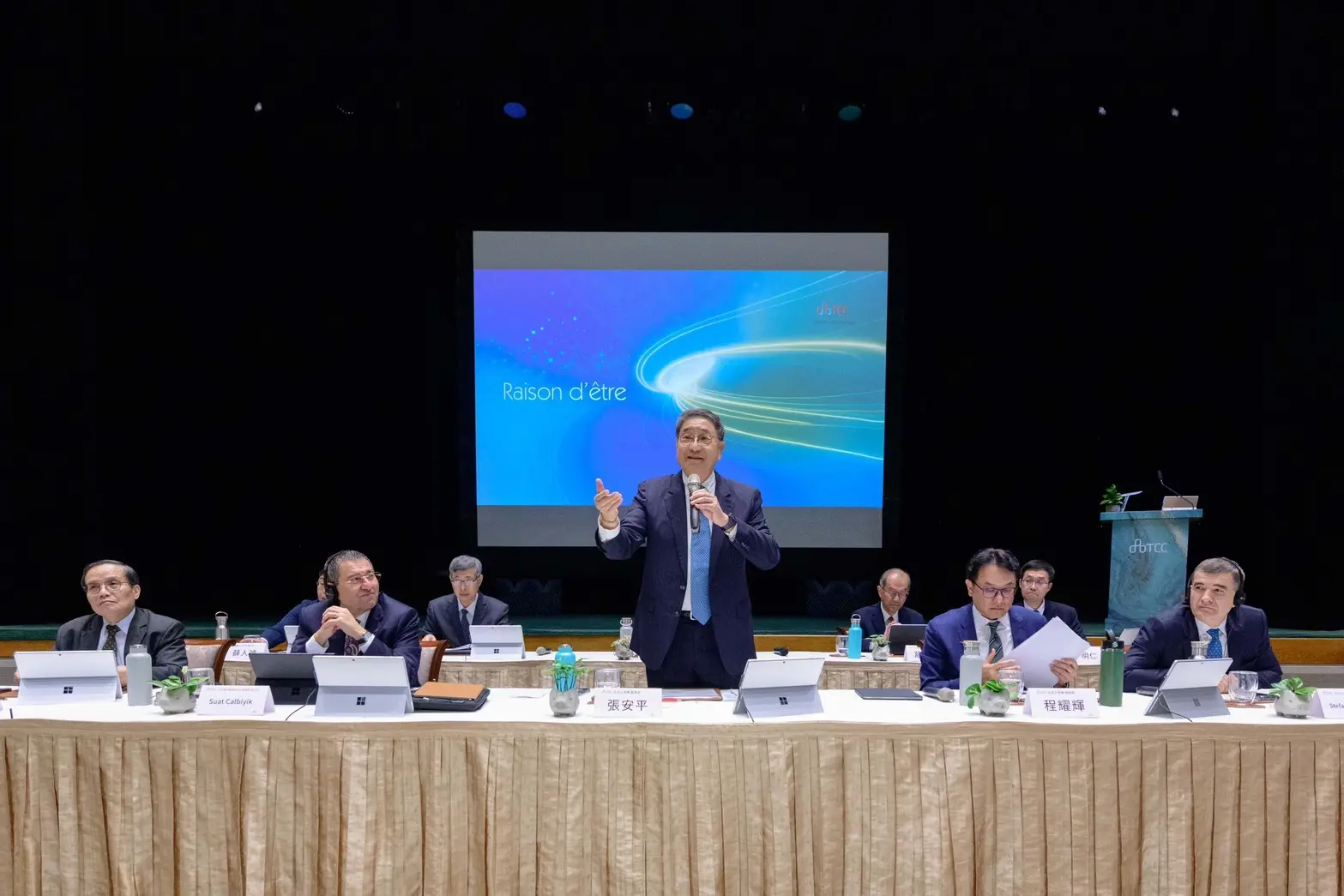
In response to growing public attention surrounding the issue of imported cement, TCC Group Holdings Chairman Nelson Chang, when questioned by the media, expressed strong alignment with Minister Peng Chi-Ming of the Ministry of Environment in calling for efforts to “reduce the use of imported cement.” Chairman Chang stated that TCC fully supports the government’s policy to curb cement imports. He emphasized that this issue extends far beyond environmental protection and carbon reduction—it directly concerns the survival and resilience of Taiwan’s foundational industries. Chairman Chang warned that if Taiwan, lured by unjustifiably low prices, allows itself to become a dumping ground for excess foreign production capacity, the ultimate cost will be borne by the domestic cement industry and the livelihoods and future security of tens of thousands of cement industry workers and their families. He stressed that “the government must seriously consider whether it still wants domestic industries, or whether it intends to keep only semiconductors and AI while letting all other industries disappear.”
Chairman Chang pointed out that dumping is clearly defined under World Trade Organization (WTO) rules as an unfair and prohibited form of competition. Another critical issue lies in tariff asymmetry: Taiwan currently maintains a zero-tariff policy on imported cement, offering no reciprocity whatsoever. This not only fails to protect domestic industries but is fundamentally unfair. According to import price data from the Ministry of Finance Customs Administration and domestic sales prices in exporting countries, cement imported from Vietnam, Indonesia, and Japan exhibits clear signs of predatory dumping due to abnormally low export prices. Using the period from the second half of 2024 to the first half of 2025 as a comparison period, cement sold domestically in Japan is priced at approximately NT$3,800 per metric ton, whereas the same cement exported to Taiwan is priced at only NT$1,400 per metric ton—NT$2,400 cheaper than in Japan’s own market—representing a dumping margin of as high as 106%. Similarly, Indonesian clinker sells domestically at around NT$1,200 per metric ton but is exported to Taiwan for just NT$680, nearly half the domestic price. Furthermore, although the government imposed anti-dumping duties on Vietnamese cement this July in an effort to curb predatory dumping, the outcome has been counterproductive. According to customs data, landed prices of Vietnamese cement did not increase; instead, they fell by 15%, while clinker prices dropped by an even steeper 22%. Indonesian suppliers followed suit with a 5% price reduction. Whereas the price differential of Vietnamese cement previously stood at NT$500~700 per ton, continued declines in declared import prices have further widened the relative price gap.
With respect to the Ministry of Environment’s plans to introduce a “country-to-country carbon footprint verification mechanism” and to launch a trial reporting phase for Taiwan’s version of the Carbon Border Adjustment Mechanism (CBAM) next year, TCC expresses strong support. However, Chairman Chang stressed that two critical prerequisites must be addressed, or the verification mechanism risks becoming ineffective in practice. First, he underscored the necessity of strictly enforcing the “single-source traceability” requirement for public construction projects to prevent the mixing of imported cement. This is essential not only for ensuring structural safety and quality consistency, but also for avoiding unnecessary carbon emissions and environmental impacts arising from cement blending. Chairman Chang noted that domestic producers such as TCC strictly comply with the “one plant, one certificate” principle, ensuring that every ton of cement is clearly traceable—standing in stark contrast to the mixed use of imported cement. Second, regarding carbon footprint verification for imported cement, Chairman Chang emphasized that Taiwan must clearly define applicable calculation standards and require internationally recognized third-party verification. Many large Southeast Asian producers adopt net emission accounting methods, deducting emissions from waste treatment to artificially improve their figures. In contrast, Taiwanese producers adhere to the most stringent international standards, employing third-party verified gross emission accounting and full disclosure. Moreover, both Japan and Indonesia require imported cement to obtain national certifications: public construction projects in Japan require JIS (Japanese Industrial Standards) certification, while imported cement in Indonesia must comply with SNI (Standard Nasional Indonesia).
Chairman Chang further emphasized that Taiwan’s cement industry is not merely a supplier of construction materials, but also a critical “urban purifier.” TCC’s Heping and Suao plants, for example, have made substantial investments in facility upgrades to process industrial waste from nine major industries, including semiconductors. These wastes are successfully converted into alternative raw materials and fuels for cement production—an environmental responsibility that imported cement suppliers neither assume nor contribute to, offering no tangible solutions to Taiwan’s environmental challenges.
“TCC is not seeking special protection for individual companies, but rather a fair and equitable competitive environment,” Chairman Chang concluded. Imported cement should bear the same carbon costs and environmental responsibilities as domestically produced cement, and the government should establish fair trade rules accordingly. He expressed confidence that Taiwanese companies genuinely committed to carbon reduction are fully capable of standing strong in global competition.
More Related Information
-
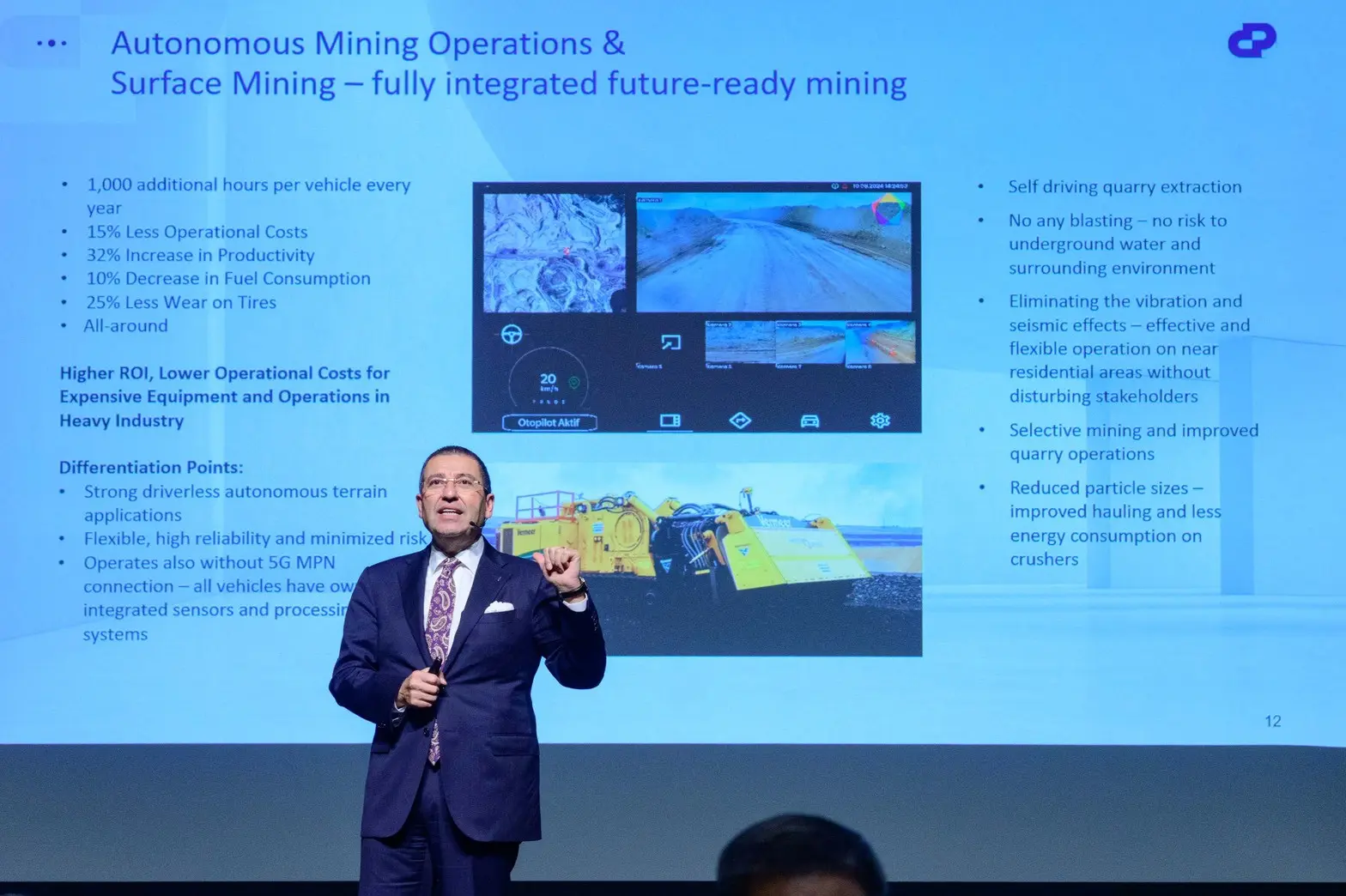 2025.11.27TCC's Cimpor Outpaces Competitors with over 30% EBITDA; Aiming for €3.5 Billion Revenue by 2030 with Focus on Post-War Reconstruction
 -
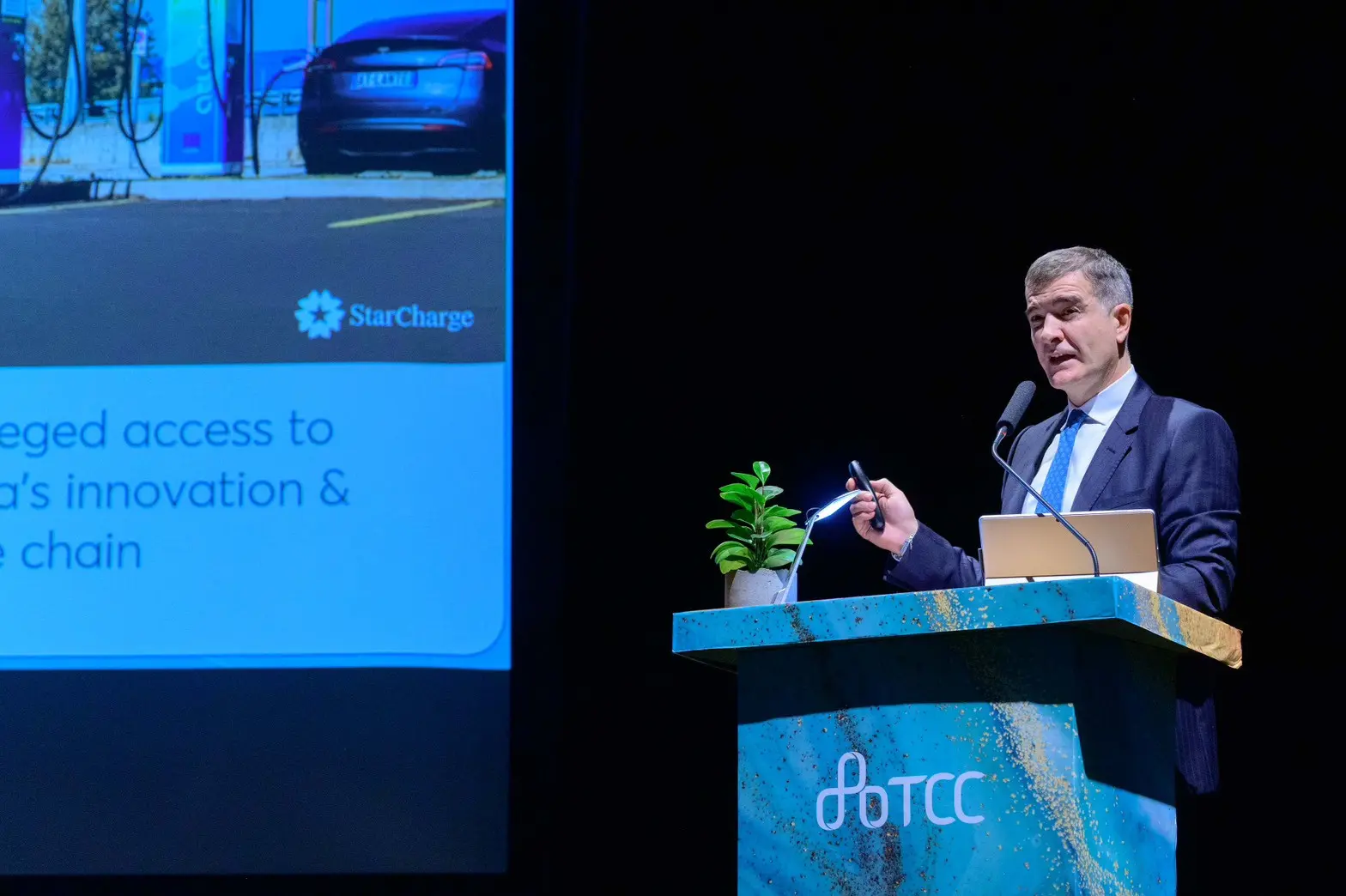 2025.11.27Atlante Unveils 2030 Strategy: Targeting €10 Billion in European Energy Trading Backed by EU Grant to Lead Electric Truck Charging Revolution
 -
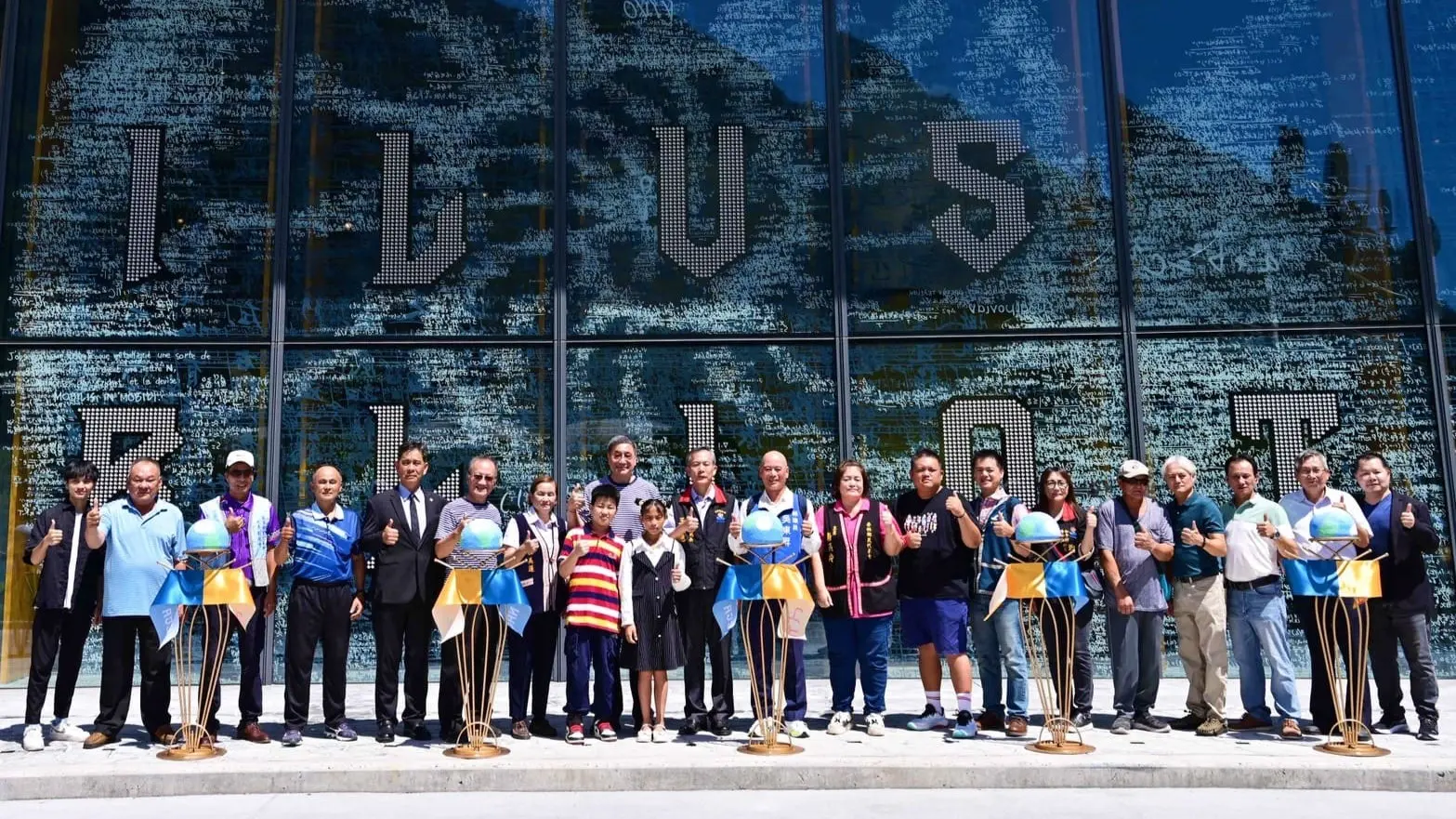 2025.09.27TCC’s Hoping Plant Sets a Precedent: Turning Waste into Energy with Cement Kilns, Driving Environmental Benefits and Local Employment