


91% of Visiting Villagers Approve: TCC DAKA Processes Over 100,000 Tons of Waste for Hualien
91% of Visiting Villagers Approve: TCC DAKA Processes Over 100,000 Tons of Waste for Hualien
2026.01.15
-
Copied
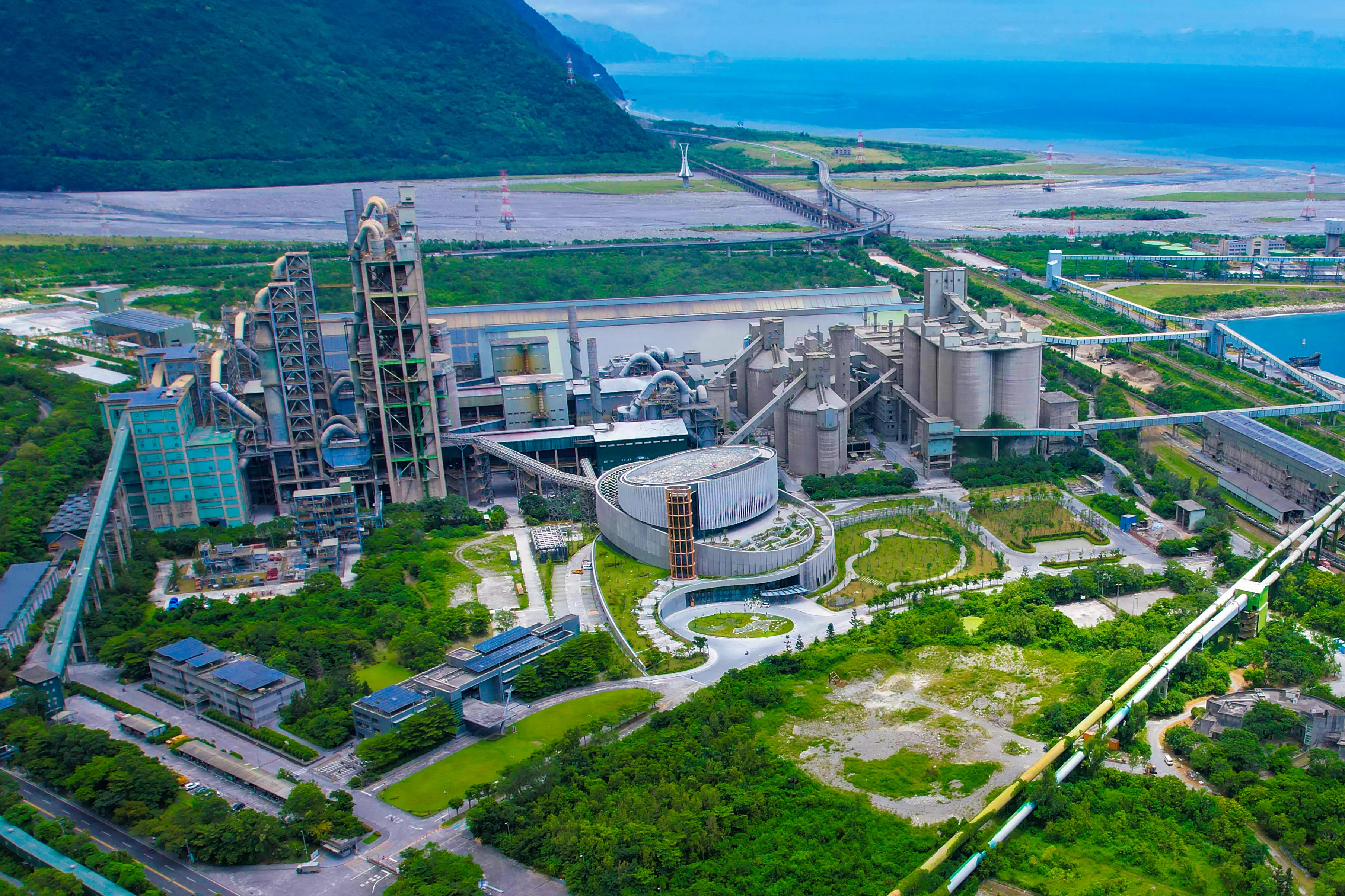
TCC DAKA Renewable Resource Recycling Center (RRRC) announced today that from its trial operations in July 2023 through the end of December 2025, it has officially processed over 100,000 tons of waste for Hualien. This milestone not only helps address Hualien's long-standing waste management crisis, but also demonstrates TCC's commitment to environmental resilience alongside the local community through major earthquakes and extreme weather events over the past two and a half years. Located at TCC's Hoping Plant, the DAKA RRRC uses high-temperature cement kiln co-processing technology combined with gasification to convert general waste and industrial waste into alternative raw materials and fuels for production, achieving nearly "zero bottom ash." Compared to the previous cross-county waste transfer model, processing these 100,000 tons locally has significantly reduced traffic burden on the Suhua Highway, resulted in carbon reduction benefits of 52,000 tons, and avoided approximately 4,840 tons of methane emissions that would have come from landfill disposal.
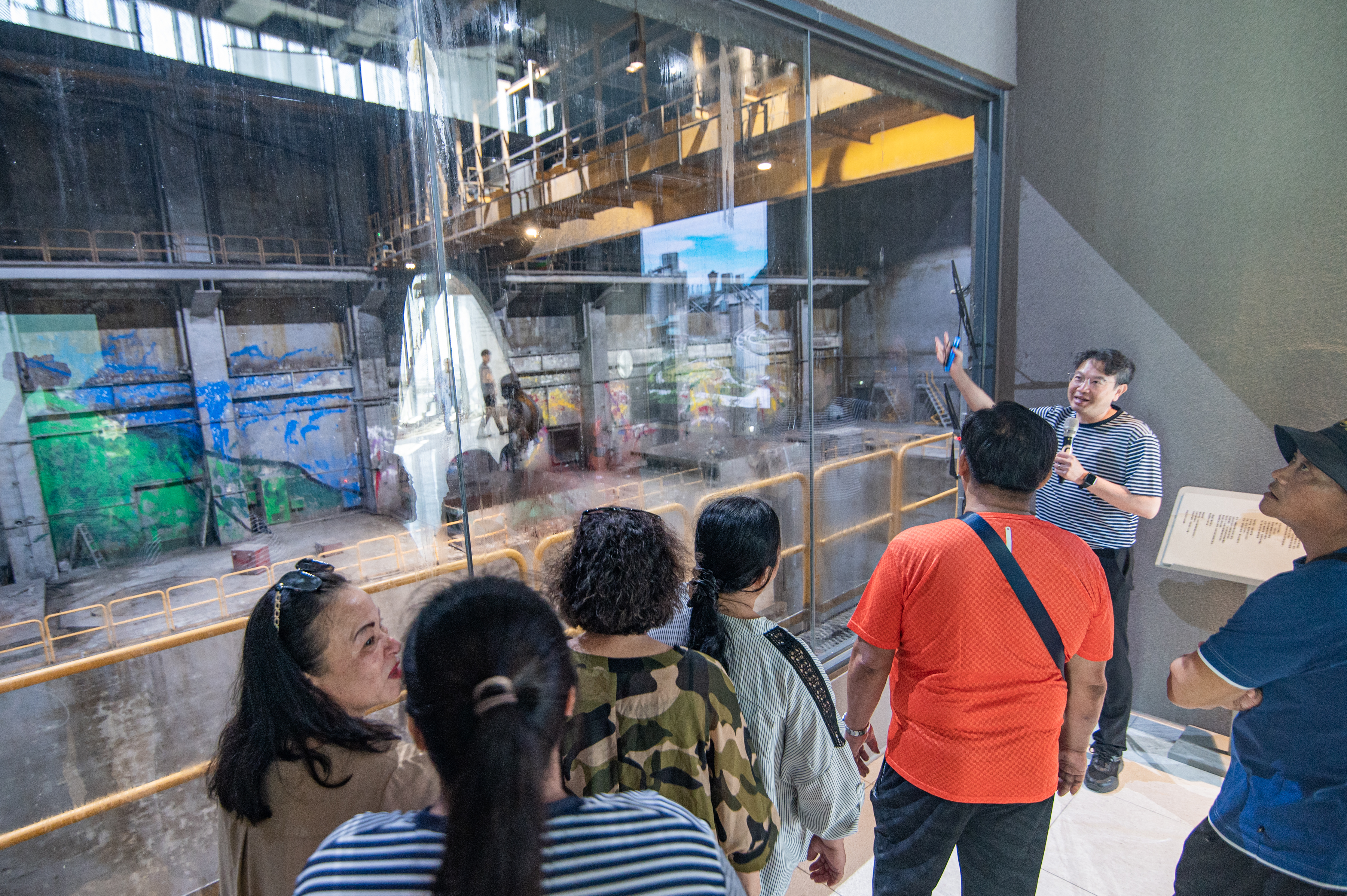
To address community concerns, TCC has installed 24-hour real-time environmental monitoring displays at the DAKA tourist attraction and proactively invited local opinion leaders from the Heping and Aohua tribal villages, as well as multiple groups of Heping residents, to visit the facility in person. The center features the " Nautilus Bibiotheca " and "Fern Garden", successfully transforming what could have been a cold industrial facility into a warm cultural and environmental education space. Survey results show that 91.46% of visiting residents highly agree that the TCC DAKA RRRC is odor-free and maintains a clean environment.
This win-win model linking industry and environmental sustainability has further clarified TCC's role and responsibilities within the circular economy system. As a company that operates both cement plants and concrete plants, TCC recognizes that ready-mix concrete plants across Taiwan, including those of industry peers, are all committed to processing stable industrial by-products such as fly ash and slag powder, converting them into supplementary cementitious materials to reduce carbon emissions. TCC emphasizes that its concrete plants must strictly comply with government-regulated standards for supplementary cementitious material proportions during the recycling process to ensure absolute structural safety and consistent quality in construction projects. Resource circulation should not simply pursue volume reduction, but must prioritize building safety as the highest standard.
TCC's Hoping and Suao plants handle the more technically challenging waste from industries that form the backbone of Taiwan's economy—semiconductors, chemical fibers, power generation, steel, and construction—processing over 1 million tons in 2025 alone. TCC notes that these industrial wastes have diverse compositions, complex structures, or cannot be recycled through conventional physical methods. Only by utilizing the core technology of cement kilns with uniform temperatures of 1,300 degrees Celsius, combined with long residence times and complete thermal decomposition, can the molecular structure of waste be thoroughly mineralized and transformed into part of the cement clinker. Because the extremely high-temperature environment ensures complete detoxification during the disposal process, this serves as an irreplaceable final line of defense for society's waste management—and this is precisely the strategic significance of why domestic cement production cannot be replaced by large-scale cement imports. TCC points out that while imported cement can provide building materials, it cannot help Taiwan handle complex waste. If domestic cement kilns face declining capacity utilization rates due to import competition and are eventually forced to shut down, waste from Taiwan's key industries will immediately face disposal bottlenecks, severely impacting the nation's environmental resilience. TCC states that through the dual-track approach of "high-temperature detoxification in cement kilns" and "green resource utilization in concrete production," this represents a shared goal for the domestic building materials industry in pursuing sustainable mutual benefits.
More Related Information
-
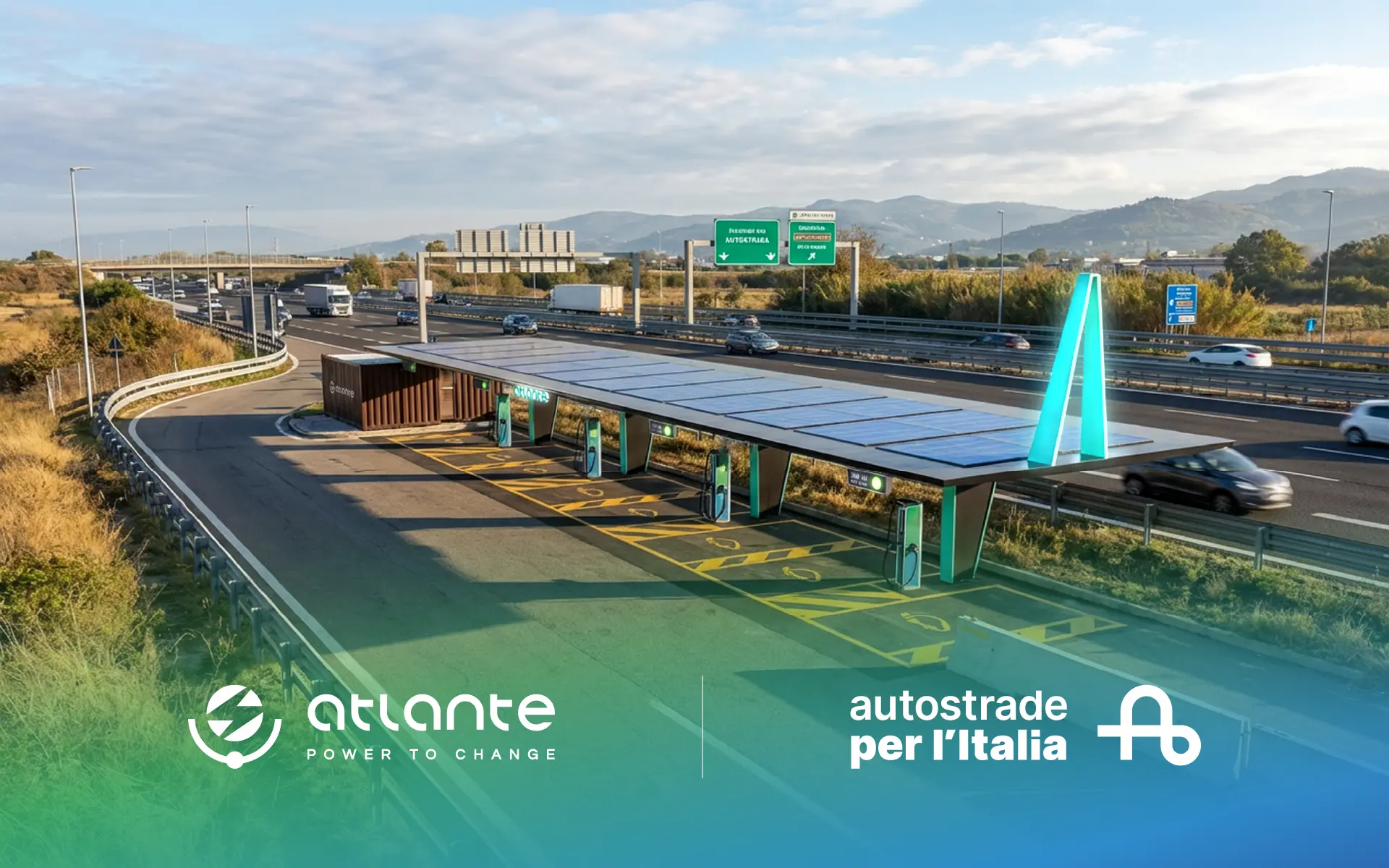 2026.01.13TCC' S EnergyArk Brings Integrated Charging-and-Storage Model to Italy Through Six Strategic Motorway Service Area Tenders
 -
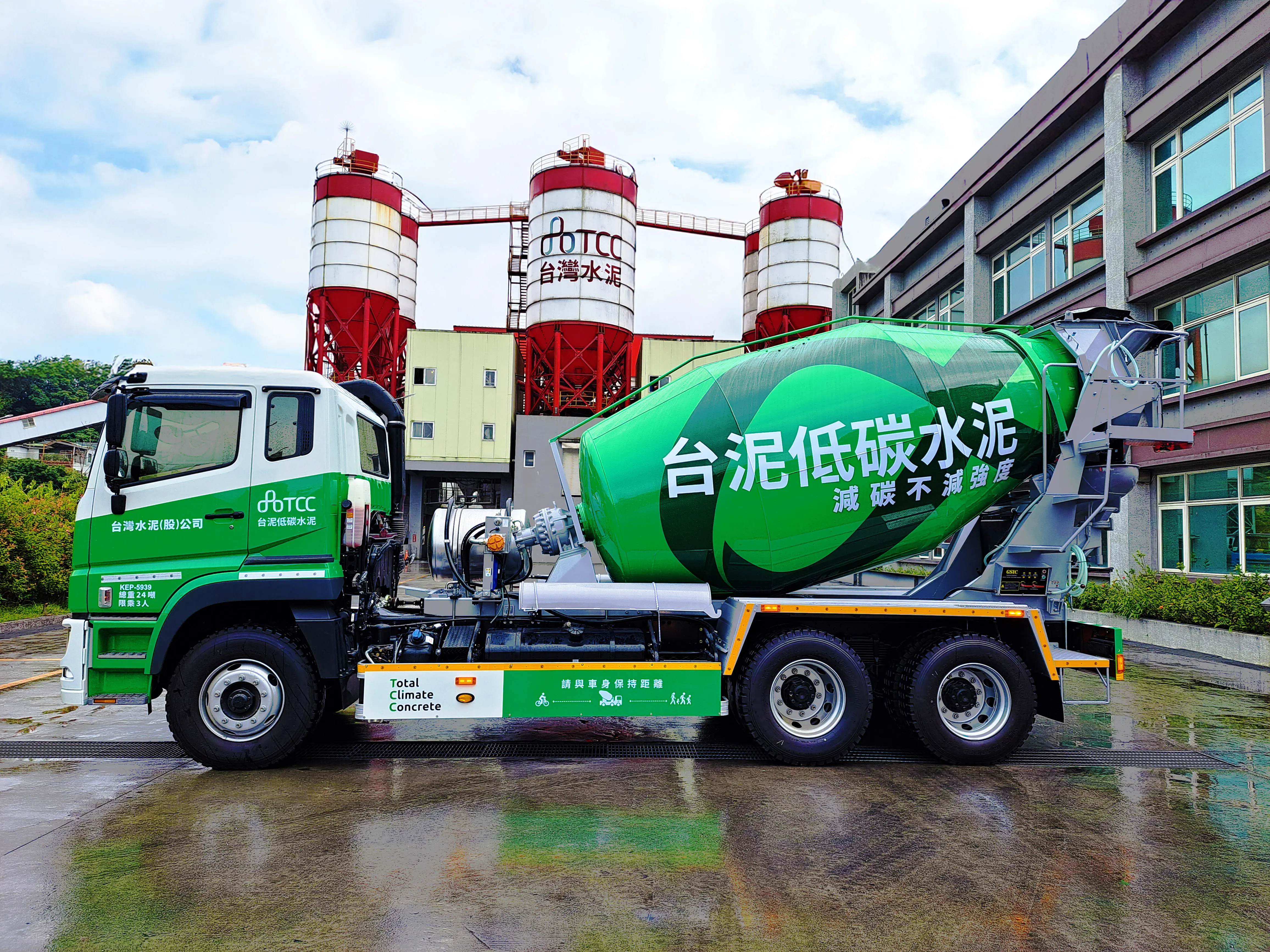 2025.12.29Beyond CO2 : TCC Gets Taiwan’s First EPD Certification for Cement and Concrete, Ushering in an Era of Comprehensive Environmental Data
 -
 2025.12.17TCC Chairman Nelson Chang: Full Support for the Government’s Policy to Reduce Cement Imports. Dumping of Imported Cement Poses a Serious Threat to Taiwan’s Foundational Industries.