

TCC Group Holdings' Operating Cash Flow Rises Against the Trend to NT$33.1 Billion; Board Proposes NT$0.8 Cash Distribution per Share from Capital Surplus
TCC Group Holdings' Operating Cash Flow Rises Against the Trend to NT$33.1 Billion; Board Proposes NT$0.8 Cash Distribution per Share from Capital Surplus
2026.03.11
-
Copied

TCC' s Board of Directors approved the 2025 consolidated financial statements on March 11. For fiscal year 2025, consolidated revenue reached NT$149.8 billion. Due to the one-time accident at the Molie Quantum Energy and asset impairment related to production capacity replacement in Mainland China in response to local policies, the company reported a loss per share (EPS) of NT$1.6 for the year, with a net loss attributable to owners of the parent of NT$11.6 billion.
Nevertheless, considering that operating cash flow remains solid, TCC' s Board resolved to distribute NT$0.8 per share in cash from capital surplus. This distribution is significantly stronger than during previous cyclical downturns, and dividends for preferred shares will continue to be paid as usual. Financial data show that TCC’s net cash inflow from operating activities increased against the trend to NT$33.1 billion in 2025, representing an increase of approximately NT$1.4 billion year-on-year. As of the end of last year, the company held NT$149 billion in cash and time deposits, demonstrating strong financial resilience.
TCC stated that these results reflect the outcomes of its strategy to “optimize resource allocation and accelerate strategic transformation.” By proactively adjusting production capacity in the Mainland China market and reallocating resources toward businesses with stronger growth potential, the company has strengthened its operational fundamentals. Although the structural adjustments in Mainland China led to a slight decrease in revenue, operating cash flow—which better reflects the company’s core operations—rose against the trend to NT$33.1 billion. This demonstrates the effectiveness of the company' s resource reallocation strategy and its shift toward higher-quality profitability and international market expansion.
Regarding the Mainland China market, President of TCC Roman Cheng disclosed an operational optimization plan during the fourth-quarter earnings call last year. Revenue contribution from Mainland China has already declined from around 40% previously to about 20%. The company has also achieved phased targets of reducing production capacity by 14% and streamlining its workforce by 20%. To ensure a cleaner asset structure, TCC has aligned with local policies on capacity replacement and capacity reduction, carrying out a one-time cleanup of discontinued production capacity and obsolete inventory at plants in Guigang, Anshun, Huaihua, Guangan, and Kaili. TCC emphasized that following this comprehensive restructuring, the company will officially enter a new phase of becoming “leaner and stronger” starting January 2026. With a flatter organizational structure, reduced personnel expenses, and the completion of idle asset cleanups, depreciation burdens are expected to decline from 2026 onward. As a result, gross margins and operating profits in the Mainland China market are expected to recover.
Recognizing that some shareholders may be less familiar with distributions from capital surplus, TCC also explained that cash distributed from capital surplus is tax-exempt when received by shareholders under current tax regulations. Individual shareholders are not required to pay income tax nor the supplemental premium for Taiwan' s second-generation National Health Insurance, providing tangible tax advantages. Taking into account the tax benefits and savings on NHI supplemental premiums, the NT$0.8 distribution—based on TCC' s share price on the 11th—effectively represents an after-tax return comparable to a roughly 4% dividend yield from ordinary earnings for long-term shareholders who regard TCC as a stable source of income.
TCC emphasized that despite the structural adjustments and challenges in recent years, the Board has maintained a stable dividend policy. This decision not only reflects the company' s commitment to sharing the results of operating cash flow with shareholders, but also serves as a gesture of appreciation for their continued support throughout TCC' s transformation. The company looks forward to shareholders' support at the annual shareholders' meeting to be held in May.
More Related Information
-
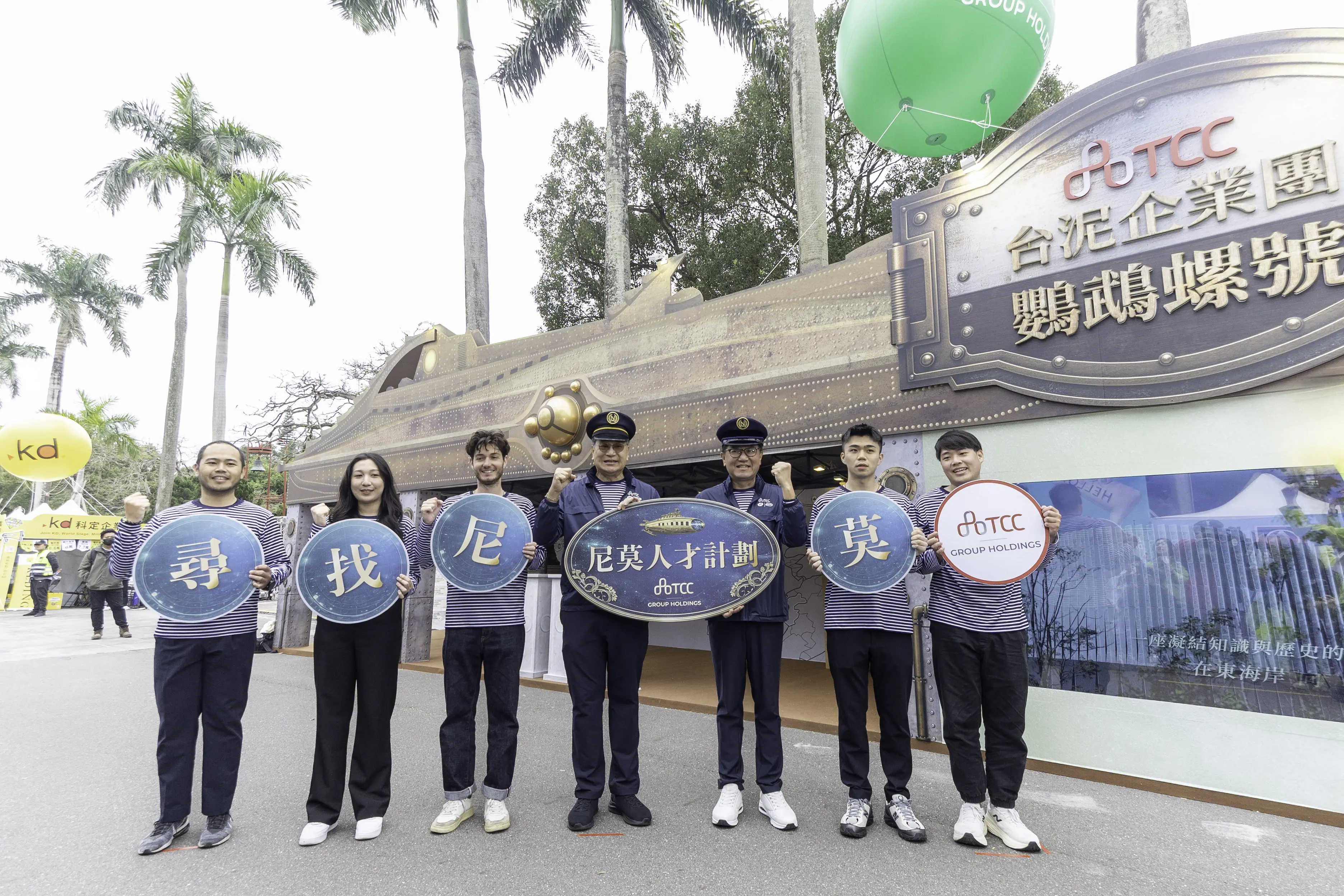 2026.03.07TCC' s Nautilus Submarine Docks at NTU: Captain Nelson Chang Launches "Nemo Talent Program" to Find 10 Pi-Shaped Talents.
 -
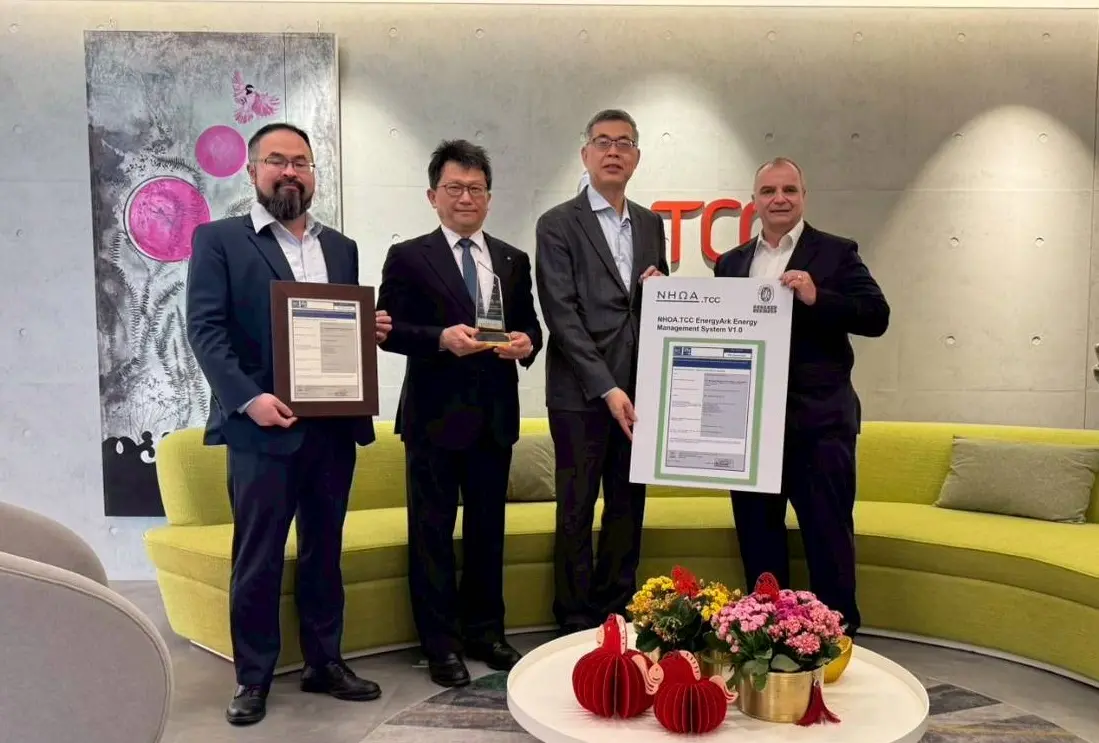 2026.03.06TCC Energy Storage Secures the "Cybersecurity Passport" to Global Grids — Its EMS Digital Brain Achieves Top-Tier IEC Certification
 -
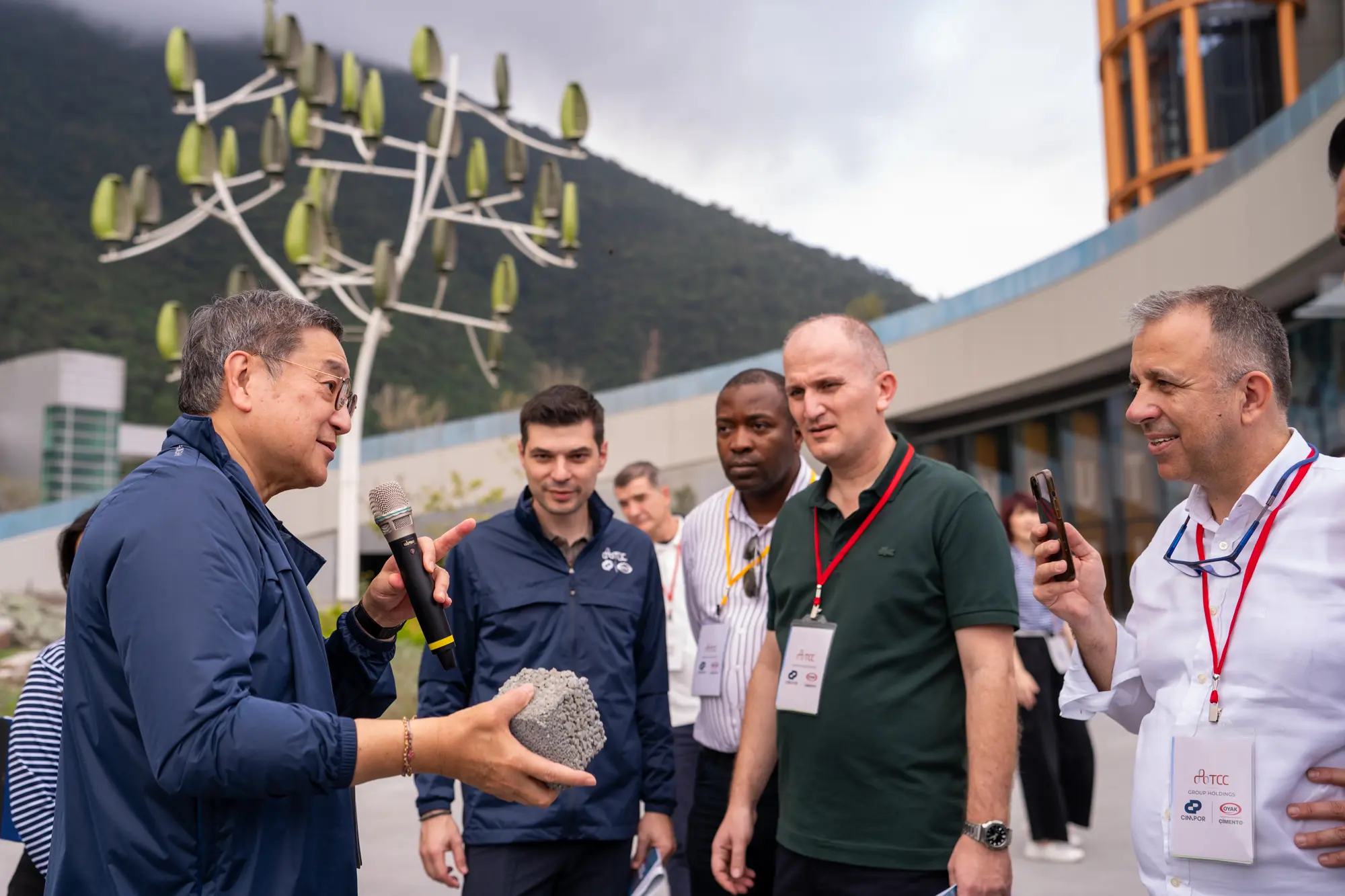 2026.02.25TCC Launches "Nemo Program" to Recruit π-Shaped Talents for Global Low-Carbon Transition Seeking 10 Pioneers with Dual-Core Expertise for Projects Across Asia, Europe, and Africa