


Setting Targets to International SBTi Standards, TCC Secures Most Favorable Carbon Fee Rate — Cutting Carbon Costs by Over 80%
Setting Targets to International SBTi Standards, TCC Secures Most Favorable Carbon Fee Rate — Cutting Carbon Costs by Over 80%
2026.03.31
-
Copied
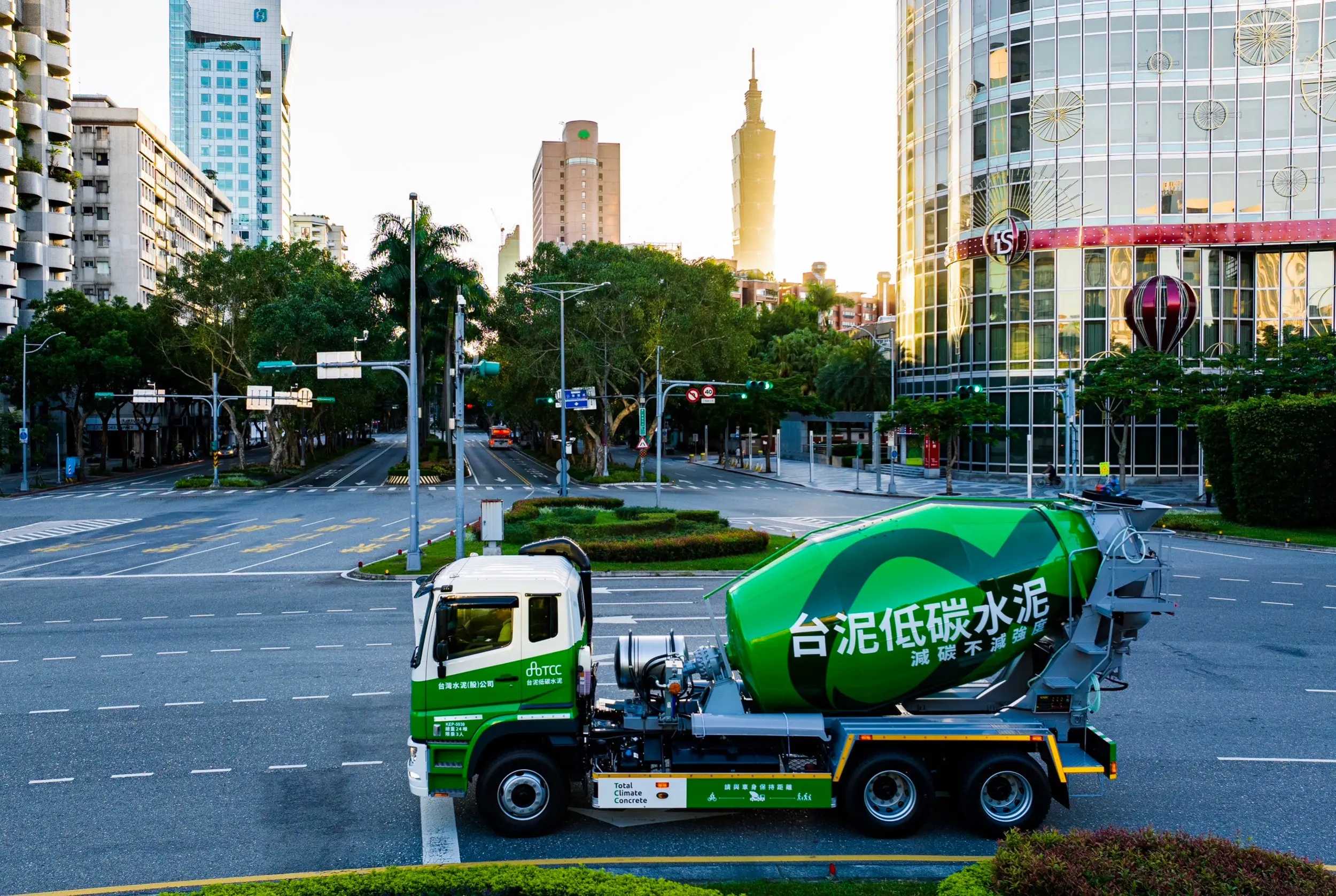
Taiwan's domestic carbon fee system is set to take effect in May of this year, with the standard rate established at NT$300 per metric ton. TCC today confirmed that the voluntary emission reduction plans for its Hoping Plant and Suao Plant have received formal approval from the Ministry of Environment, placing both facilities among the fewer than 20% of enterprises nationwide to qualify for the Preferential Rate Scheme A. Under this scheme, TCC is subject to a carbon fee of just NT$50 per metric ton of emissions — a reduction of more than 80% compared to the standard rate. TCC is the only enterprise in Taiwan's cement industry to qualify for this most favorable rate, demonstrating the company's forward-looking commitment to transforming environmental responsibility into long-term competitive advantage and operational resilience. According to data published by the Ministry of Environment, TCC has set 2021 as its baseline year, with a target to reduce total emissions by 22.3% by 2030.
The Ministry of Environment's Preferential Rate Scheme A requires enterprises to meet sector-specific mandatory reduction targets, developed in alignment with the internationally recognized Science Based Targets initiative (SBTi) — a benchmark that represents an exceptionally high technical bar for the cement industry. TCC emphasized that its qualification for the NT$50 benchmark rate today is the result of decarbonization efforts that began as early as 2017, backed by substantial capital expenditure in equipment upgrades and process improvements. As carbon fees and carbon border adjustment mechanisms — both domestically and internationally — are expected to rise steadily in the years ahead, a company's carbon reduction capabilities will increasingly determine its profitability and long-term viability.
Data from TCC's publicly disclosed annual reports and sustainability reports show that this high-standard decarbonization commitment has translated into tangible financial results. On the energy front, TCC has actively pursued an energy transition by continuously increasing its alternative fuel ratio to reduce reliance on coal — a strategy that not only supports society in processing waste but also delivers the dual benefit of emissions reduction and cost savings. On the production front, TCC has invested significantly in research and development, achieving precise reductions in clinker-to-cement ratio through technological breakthroughs. Its flagship product, TCC Portland Limestone Cement, achieves a carbon reduction of 23.83% — making it the lowest-carbon cement product currently available in Taiwan — while maintaining full structural strength, offering construction projects a more resilient quality assurance. The product has been adopted across more than 3,605 project sites nationwide, driving a year-on-year increase in the revenue share of low-carbon products and emerging as a new engine of sustainable business growth.
TCC emphasized that the approval of its voluntary reduction plan for the NT$50 benchmark rate represents the strongest recognition yet of the company's long-term commitment to green transformation. As carbon fees become an inevitable core operating cost, TCC will continue to integrate artificial intelligence monitoring and digital management systems to ensure production transparency and alignment with international standards such as the EU's Carbon Border Adjustment Mechanism (CBAM). Through an internal carbon pricing mechanism, TCC converts every investment in green energy development and process optimization into resilient, tangible carbon assets — safeguarding the environment while creating enduring green value for investors and society alike.
More Related Information
-
 2026.03.11TCC Group Holdings' Operating Cash Flow Rises Against the Trend to NT$33.1 Billion; Board Proposes NT$0.8 Cash Distribution per Share from Capital Surplus
 -
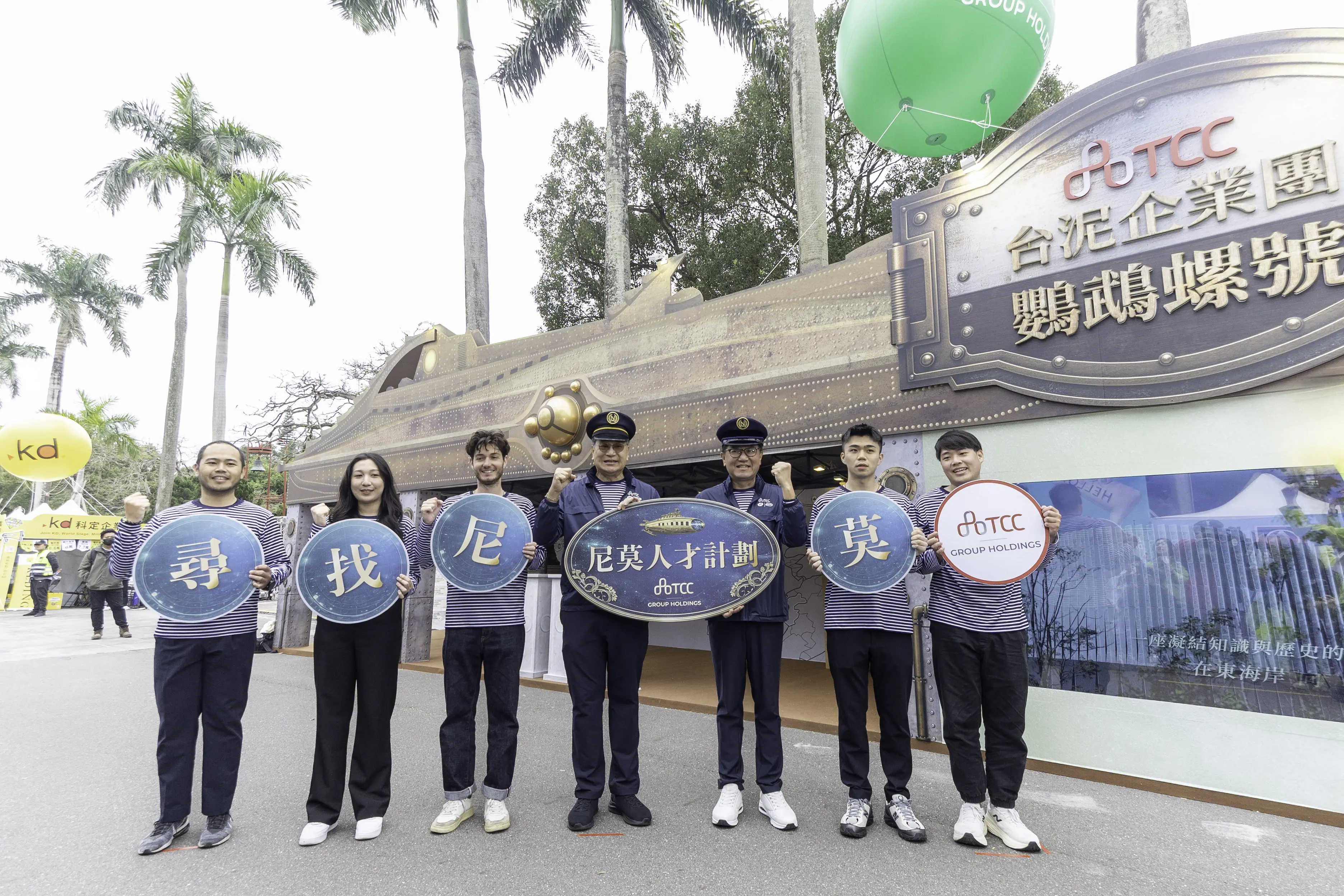 2026.03.07TCC' s Nautilus Submarine Docks at NTU: Captain Nelson Chang Launches "Nemo Talent Program" to Find 10 Pi-Shaped Talents.
 -
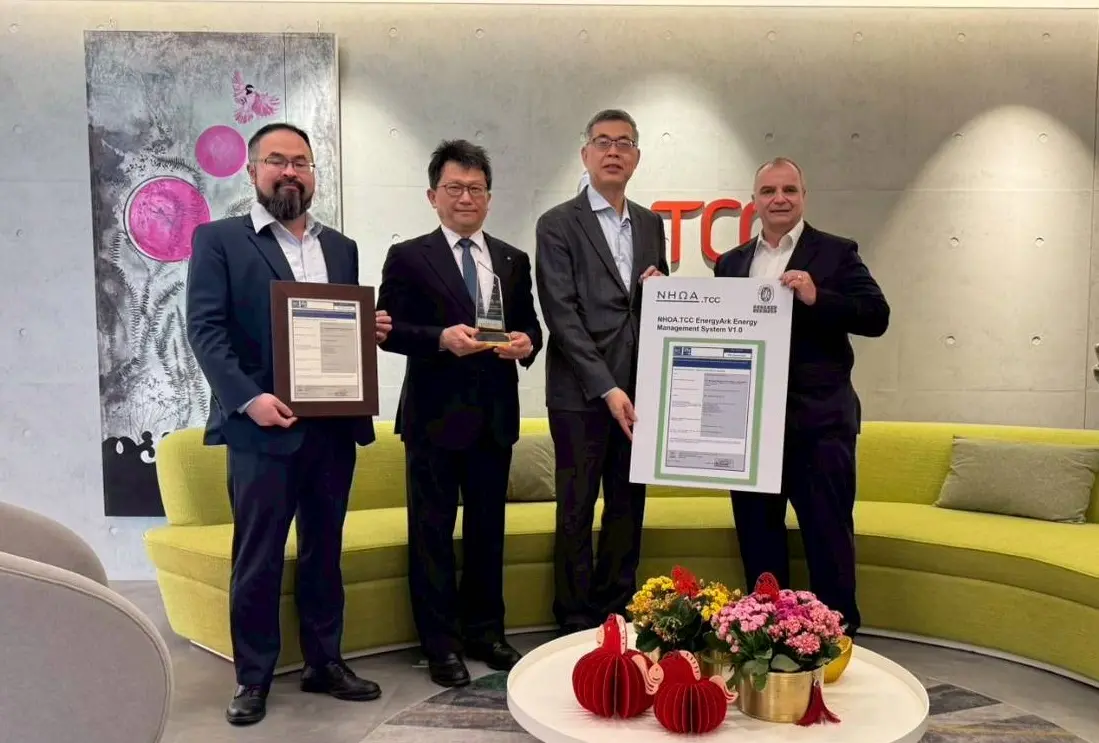 2026.03.06TCC Energy Storage Secures the "Cybersecurity Passport" to Global Grids — Its EMS Digital Brain Achieves Top-Tier IEC Certification