


Nelson Chang: Concrete Shapes the Energy Transition in the AI Era
Nelson Chang: Concrete Shapes the Energy Transition in the AI Era
2026.05.22
-
Copied
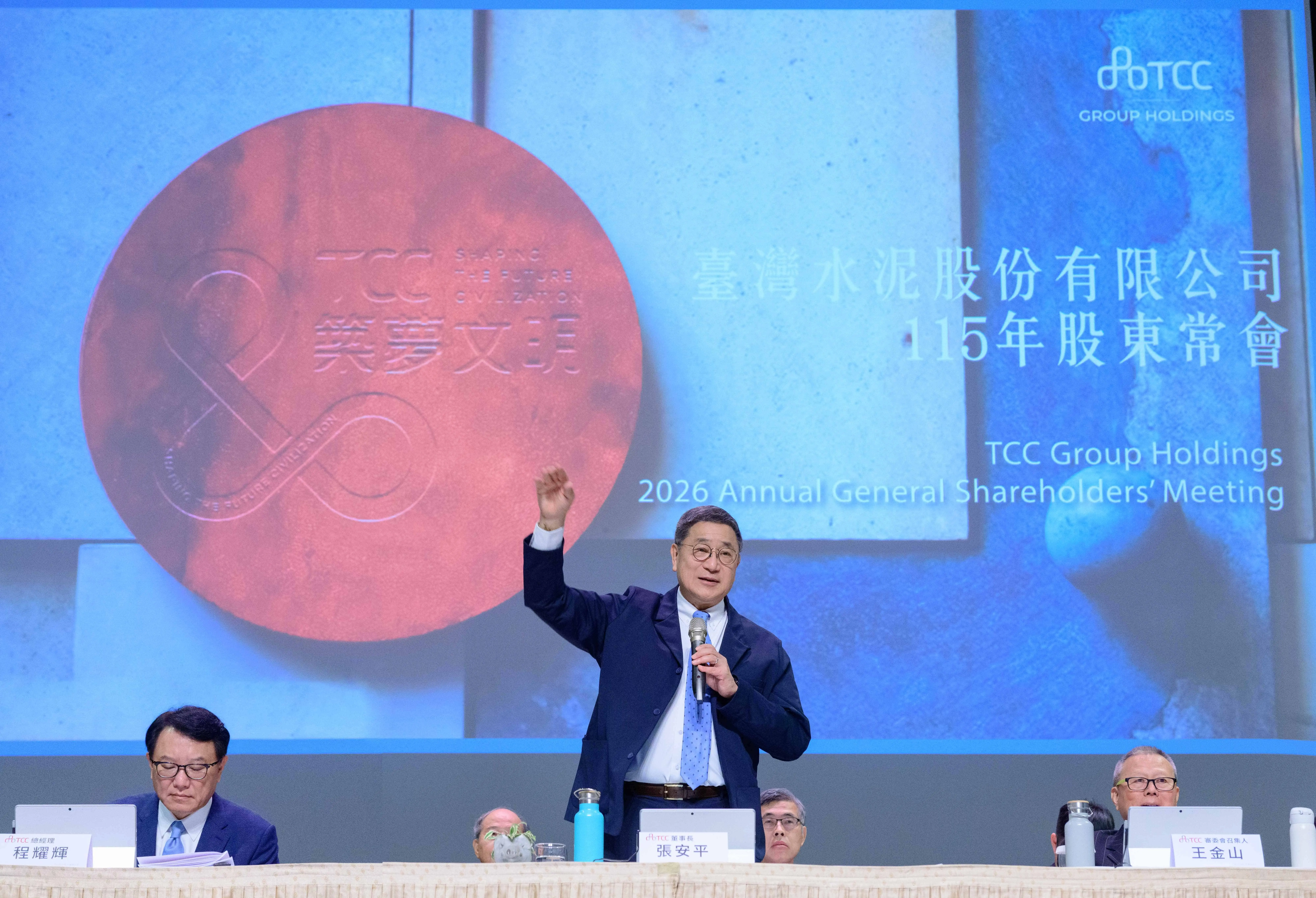
TCC held its annual shareholders’ meeting on 22 May as the company approaches its 80th anniversary. During the meeting, TCC Chairman Nelson Chang stated that the more digitalized the world becomes, the greater its dependence on physical infrastructure. “AI does not exist in the abstract,” Chang noted. “Every computation relies on real infrastructure support, including data centers, power grids, energy storage systems, ports, cooling systems, and transportation networks — all fundamentally built upon concrete.”
He emphasized that the global energy transition is essentially a large-scale infrastructure transformation, and that the cement industry is now at a critical turning point toward low-carbon, intelligent, long-life, and circular materials.
Chang noted that if cement continues to be treated solely as a commodity, the industry will face increasing pressure from energy and carbon costs. However, if successfully transformed into a low-carbon material platform, cement can once again become a core foundation of human civilization. Responding to shareholder suggestions that TCC reclassify itself as a circular energy company, Chang remarked that the company remains deeply connected to its long-established stock code “1101.”
Drawing parallels from history, Chang said railways reshaped the world in the 19th century, when the most valuable asset was not the trains themselves, but the “rights of way.” Today, as Europe enters a new cycle of infrastructure renewal alongside investments in AI data centers, offshore wind power, energy storage, and grid modernization, the new “rights of way” have evolved into energy access, grid capacity, industrial land, water resources, and low-carbon infrastructure capabilities. He added that stable, long-term energy availability will become one of the world’s scarcest resources, while industrial sites will increasingly evolve into integrated energy and infrastructure platforms.
When asked about management stability, Chang noted that all proposals at this year’s shareholders’ meeting were approved with support rates exceeding 93% and 94%, reflecting continued shareholder confidence in the company’s strategy and leadership. TCC spokesperson Shelly Yeh added that approximately 73% of shareholders entrusted the company to exercise their voting rights this year, consistent with previous years.
Regarding shareholder concerns over the development of TCC’s battery brand Molicel, Chang stated that high-efficiency batteries are a critical enabler for the AI era. He noted that without the fire incident at the Molicel Quantum Energy plant, the business would already have turned profitable last year. Molicel is expected to remain profitable in the first half of this year, while its next-generation battery process, featuring industry-leading energy density and power density, has already entered pilot-line development. Chang also revealed that at least three companies are currently in discussions with Molicel regarding potential investment opportunities.
More Related Information
-
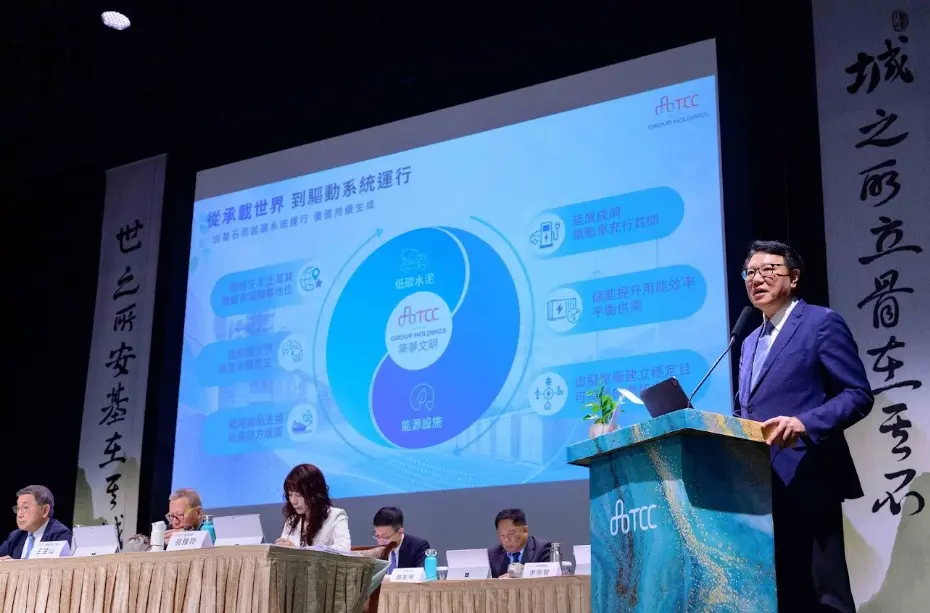 2026.05.22TCC Q1 Gross, Operating, and Net Margins All Rise Europe Reaches 42% of Revenue TCC's Global Landholdings Double, Book Value Rises to 1.6x at NT$66.3 Billion
 -
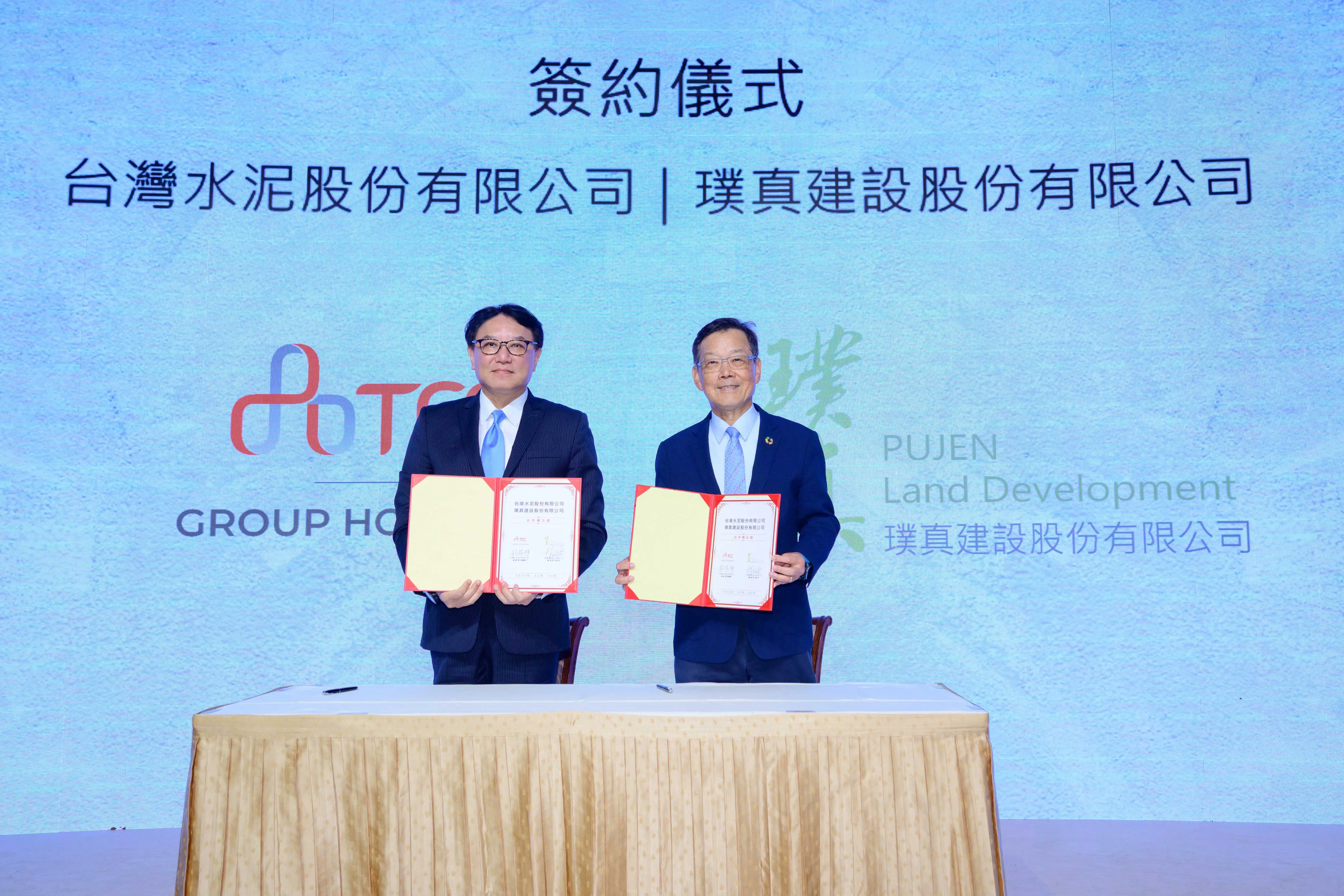 2026.05.04TCC Signs Dual Partnerships to Advance Low-Carbon Urban Renewal with PUJEN and Deploy 200 EnergyArk Systems with RiTWIN
 -
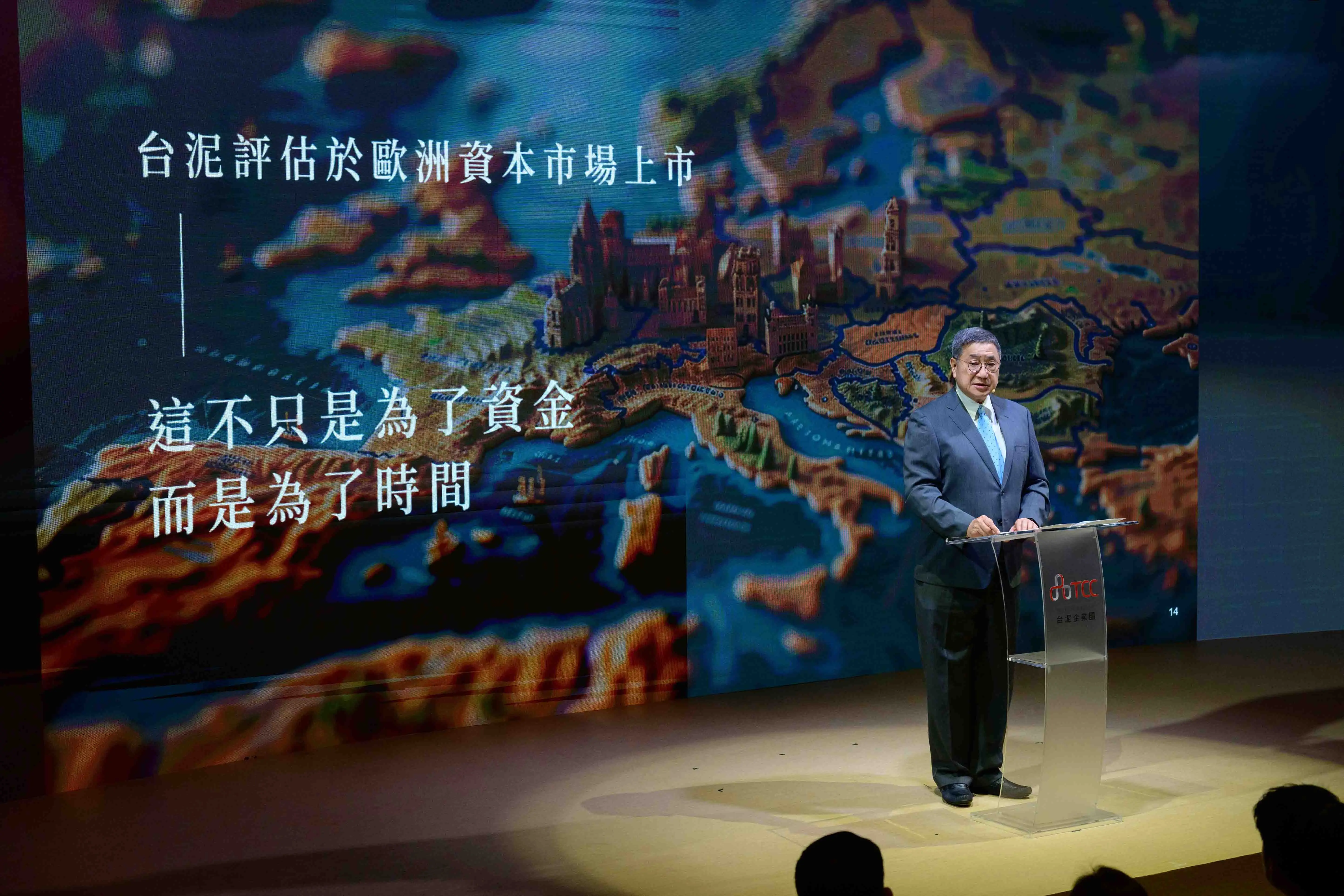 2026.05.04TCC Taps Global Banks to Explore European Listing; Chairman Nelson Chang: The Future Lies in Materials and Energy