


TCC' s Hoping EcoPort Obtains Taiwan' s Marine OECMs Certification Ocean Affairs Council: Corporate Conservation Efforts Foster Coexistence of Industry and Marine Ecosystems
TCC' s Hoping EcoPort Obtains Taiwan' s Marine OECMs Certification Ocean Affairs Council: Corporate Conservation Efforts Foster Coexistence of Industry and Marine Ecosystems
2026.05.25
-
Copied
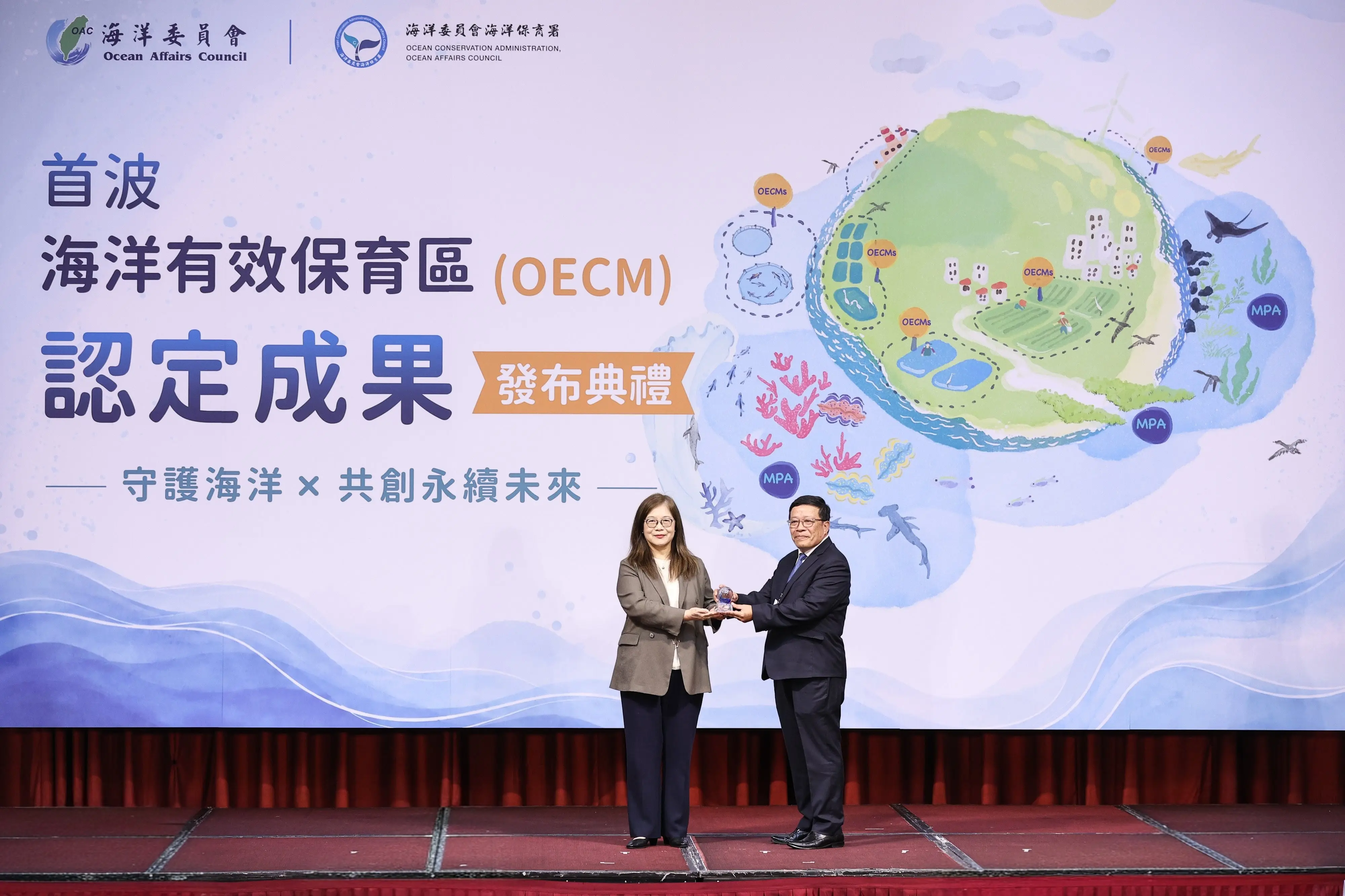
TCC's Hoping EcoPort has been officially certified by the Ocean Affairs Council (OAC) as one of Taiwan's first "Other Effective Area-based Conservation Measures" (Marine OECMs). It is the first port in Taiwan and the only site in Yilan, Hualien, and Taitung to obtain national OECM certification. This recognition highlights TCC’s success in advancing “non-traditional conservation” by balancing industrial development with biodiversity conservation through coral restoration and habitat creation within the port area. OAC Minister Kuan Bi-ling stated at the ceremony, "Industrial areas usually bring to mind cement and cargo ships, but here, what we see are corals, fish, and restoration efforts." The Hoping EcoPort is part of TCC's Hoping 3-in-1 Circular Economy Park of Port, Power, Cement plant. Strict environmental management and rock revetment design maintain clear water, allowing visible observation of corals. To enhance coral growth, TCC utilized our core business to create Bio Cubes with low-carbon cement, supporting the regeneration of broken coral fragments and the settlement of new recruits, gradually forming a coral ecosystem attracting fish and shellfish. Notably, CITES-protected wild giant clams, including Tridacna noae, Tridacna maxima, and Tridacna squamosa, have been found. The OAC review panel recognized the port's unique ecological value, providing habitat and breeding grounds, and serving as a refuge for threatened species, highly commending TCC's proactive efforts in creating a model of co-existence between industrial development and marine ecosystem.
Other Effective Area-based Conservation Measures (OECMs) are a key UN sustainable initiative. Their main purpose is to establish and manage "biodiversity conservation areas" outside traditional reserves, led by governments, businesses, and civil society organizations, to achieve the goal of conserving 30% of marine and terrestrial ecosystems by 2030. The inward-excavated design of Hoping EcoPort has unexpectedly become a habitat for drifting coral larvae from the Kuroshio Current in eastern Taiwan. Following recommendations from scholars and various conservation organizations, Hoping EcoPort has applied for OECMs. In accordance with the “Marine Conservation Act”, the area is divided into a core zone (9.89 hectares), a buffer zone (27.61 hectares), and a sustainable use zone (5.8 hectares), totaling 43.3 hectares, balancing original operation, monitoring, and ecological conservation needs.
To share the coral habitat at Hoping EcoPort with the public, Hoping EcoPort took the initiative in 2022 to break down port control barriers, becoming Taiwan's first port-based environmental education facility. It actively promotes parent-child and popular science courses and was honored with the top prize in the corporate category of the National Environmental Education Awards. Dong Lian-yi, the chief of the local Heping Village, expressed great pride upon hearing Hoping EcoPort was listed as an OECM, stating that her hometown's port is comparable to international-level marine ecological areas. This summer, TCC will combine Ho-Ping Power Plant's "Little Tern Summer Conservation" with Hoping EcoPort's "Terrestrial and Marine Ecosystems" to launch a limited-edition in-depth ecological guided tour covering land, sea, and air. Those wishing to experience the unique ecology of Hoping EcoPort and witness a national-level OECM site firsthand are encouraged to follow the official "TCC DAKA" fan page to witness the inspiring coexistence of industry and nature.
The coral habitats at Hoping EcoPort are located between Yilan's Fenniaolin and Hualien's Shitiping, bridging a 117-kilometer gap in marine ecological habitats along the East Coast. Currently home to 160 coral species and 218 fish and shellfish species, Hoping EcoPort boasts the highest density of giant clams in Taiwan, serving as a vital "gene bank" for marine species. Going forward, Hoping EcoPort will, based on OECM principles, regularly review and enhance its ecosystem restoration management plan. By connecting surrounding key habitats and bio-resource utilization areas, we aim to extend the East Coast marine conservation network, enhance the resilience of Taiwan's blue national territory, and fulfill TCC's commitment to the harmonious coexistence of industry and nature.
More Related Information
-
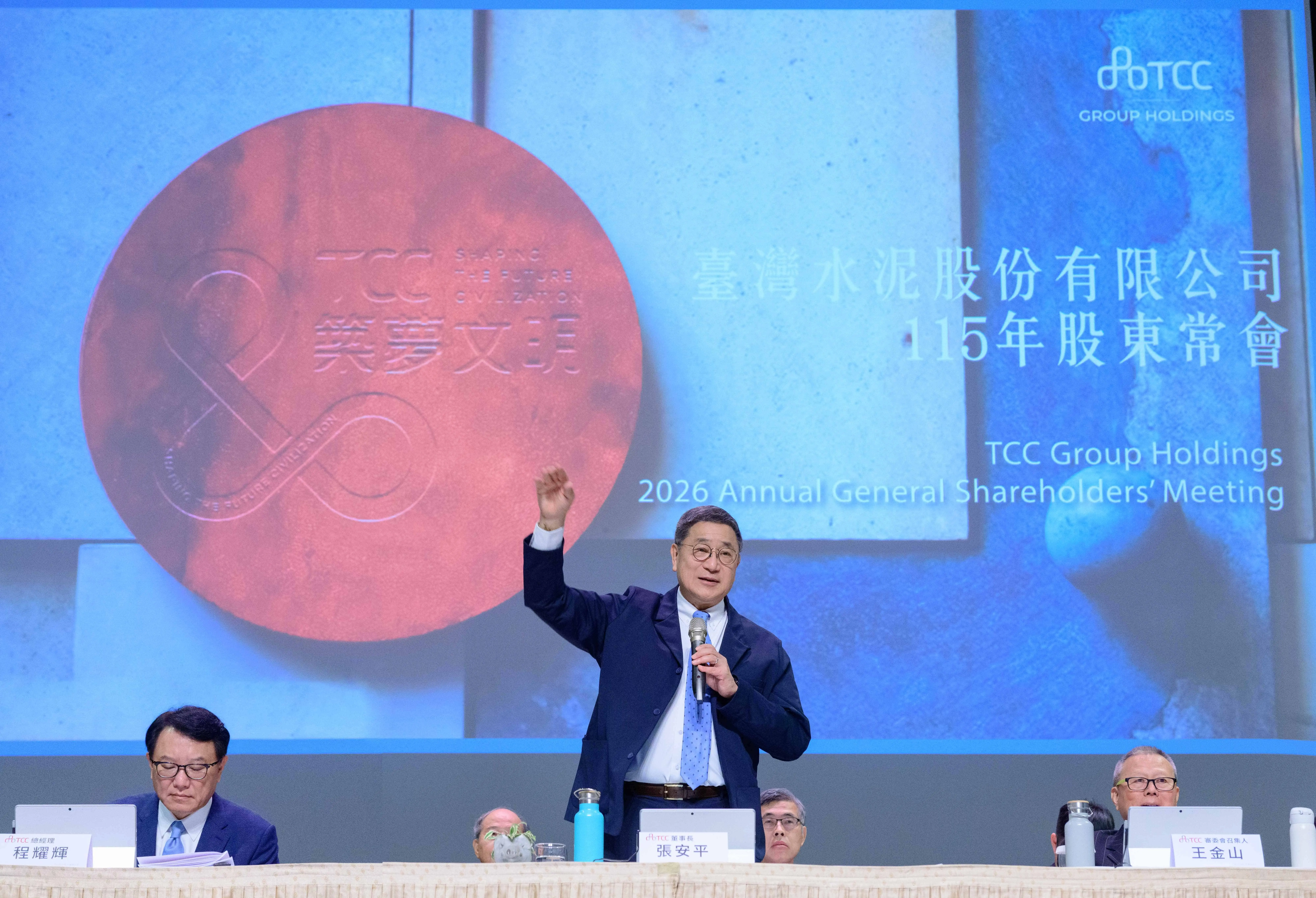 2026.05.22Nelson Chang: Concrete Shapes the Energy Transition in the AI Era
 -
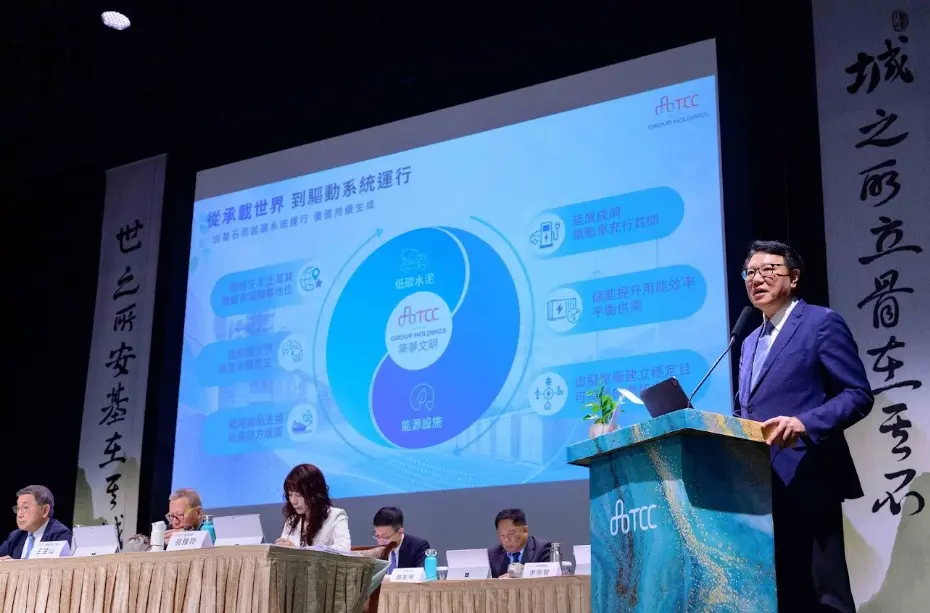 2026.05.22TCC Q1 Gross, Operating, and Net Margins All Rise Europe Reaches 42% of Revenue TCC's Global Landholdings Double, Book Value Rises to 1.6x at NT$66.3 Billion
 -
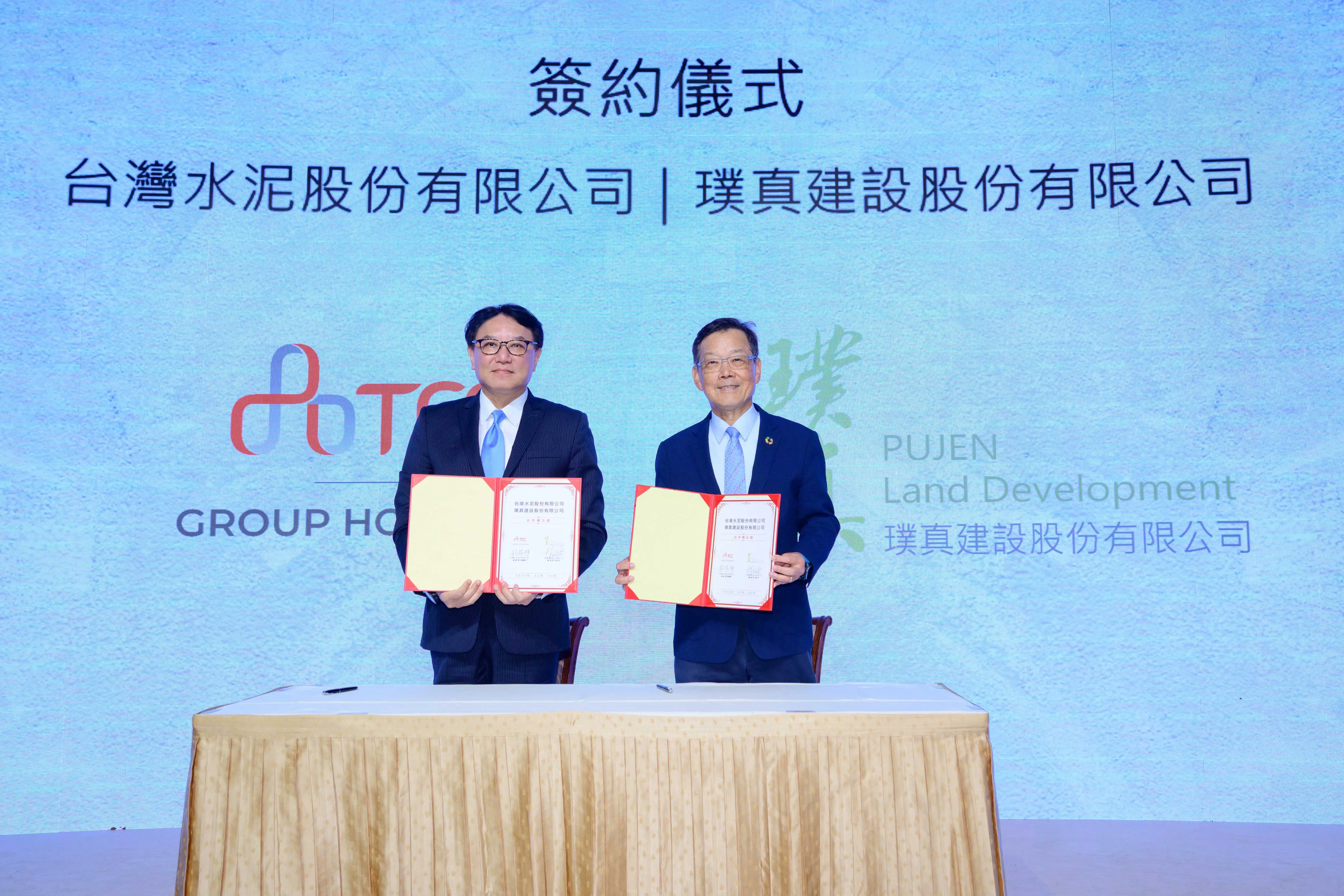 2026.05.04TCC Signs Dual Partnerships to Advance Low-Carbon Urban Renewal with PUJEN and Deploy 200 EnergyArk Systems with RiTWIN