


Biodiversity
Biodiversity
Management Approach
Guided by its mission to serve life, TCC embeds biodiversity management from policy commitment and science-based governance to on-site action and shared value, aiming to reach Net Positive Impact on nature by 2040.
01
Policy Commitment
- Established the Biodiversity Policy and No-Deforestation Commitment.
- Aiming to reach Net Positive Impact (NPI) on nature and No Net Deforestation by 2040, accumulating positive impacts globally through Nature Positive initiatives.
02
Governance & Assessment
- Set up a biodiversity working group under the Corporate Sustainability Committee to assess value-chain dependencies and impacts on nature under the TNFD LEAP methodology.
- Applied ENCORE to analyze operational dependencies and impacts, identifying Very High (VH) sensitivity sites for priority management.
- Planned actions under the SBTN AR3T framework (Regenerate, Reduce, Avoid, Transform), tracking restoration outcomes via Net Impact Assessment (NIA) toward the 2040 NPI target.
- Screened material suppliers using the SBTN high-impact list for Locate analysis and engagement.
03
On-site Action
- 100% coverage of Biodiversity Management Plans (BMP) in quarries in Taiwan and Mainland China.
- 100% coverage of Quarry Restoration Plans (QRP) in quarries in Taiwan, Mainland China, Türkiye and Portugal.
- Quarries in Taiwan and Mainland China passed environmental impact assessments; plants follow ISO 14001 management guidelines.
- Forest and soil restoration prioritizes native and site-appropriate species, uses the ecological restoration wheel to track outcomes, and advances soil carbon research and Ho-Ping Ecological Ark 2.0.
- Coral restoration at Ho-Ping Eco Industrial Port earned OECMs recognition; nature-based solutions include invasive species removal and agrivoltaics.
04
Benefit Sharing & Education
- Long-term support for the Dr. Cecilia Koo Botanic Conservation Center, delivering fair benefit sharing of genetic resources.
- Promotes environmental education and species conservation at TCC DAKA, Ho-Ping Port, and Ho-Ping Power, such as the little tern conservation program.
International Initiatives
TNFD Transition Plan Use Case
2026 TCC's Hoping Quarry capability-building program was recognized by TNFD under "Governance" skills and competencies for nature transition planning, and was selected as a demonstration case in the TNFD "Nature in transition plans use cases" published in June 2026.
Business for Nature Sharing
2025 TCC was invited by Business for Nature to present at the 2025 Asia Nature Conference, sharing its strategies and achievements in nature and sustainability.
It's Now for Nature Pulse
2025 Business for Nature released the "It's Now for Nature Pulse" report. As an It's Now for Nature partner, TCC was invited to deliver the foreword and share its TNFD practices.
Invited to Join the SBTN Pilot Group
2024 TCC joined the SBTN Pilot Group promoted by BCSD Taiwan, as the only invited construction materials company in Taiwan.
TNFD Early Adopters
2024 TCC becomes the only large-scale construction materials company in Taiwan to join the TNFD Early Adopters.
It's Now for Nature Strategic Partner
2024 TCC's Nature & Biodiversity Report — TNFD Pilot Program was endorsed by Business for Nature, representing the construction materials industry in joining the "It's Now for Nature" campaign.
EU LIFE LxAquila Program
2024 CIMPOR joined the EU LIFE LxAquila program, partnering with government bodies, SPEA, and local communities to protect the nationally endangered Bonelli's eagle.
BfN Initiatives Signing
2022 Signed the "Call to Action" and "Make It Mandatory" of Business for Nature to call on governments to enact ambitious policies to halt nature loss.
TNFD Pilot Program
2022 Taiwan's first traditional manufacturer to join the TNFD Pilot Program.
Taiwan Nature Positive Initiative
2022 Partook in the Taiwan Nature Positive Initiative (TNPI) of BCSD Taiwan and connected with collaborative networks on nature topics to jointly address biodiversity issues.
Dr. Cecilia Koo Botanic Conservation Center
Since 2007, TCC has provided long-term support to the Dr. Cecilia Koo Botanic Conservation Center, dedicated to the global conservation of tropical and subtropical plants through ex-situ living preservation.
Biodiversity Exposure & Assessment
- TCC publicly reports on the scope of our biodiversity risk assessment: TCC's nine business groups, including Taiwan, Mainland China, Türkiye, Portugal, Cameroon, and Ivory Coast..
- Own operations: Cement plants, RMC plants, Aggregate plants, Grinding stations, Gypsum plants, Dry-mix mortar plants, Paper bag plants, Renewable energy sites, Battery plants.
- Adjacent areas to own operations: Power plant, and the surrounding areas to own operations within 2 km radius.
- Upstream activities: Quarries, Ports, Cement and Environmental Protection Business (Asia) suppliers on Science Based Targets Network (SBTN) high-risk list.
- Downstream activities: Shipping stations, Ports, Environmental technology companies.
.png)
- TCC evaluates its operational sites based on the criteria of ecosystem sensitivity and species sensitivity to construct a natural sensitivity matrix, classifying sites into four levels, i.e., Very High (VH), High (H), Medium (M), and Low (L).
- VH sites are located in close proximity to critical ecosystems and contain threatened species, where operations may cause negative impacts on nature. Thus, sites with a nature sensitivity of VH were prioritized for management.
| Nature Sensitivity | Ecosystem Sensitivity | ||||
|---|---|---|---|---|---|
| VH | H | M | L | ||
| Species Sensitivity | VH | VH | VH | H | M |
| H | VH | H | M | L | |
| M | H | M | M | L | |
| L | M | L | L | L | |
| TCC Operational Sites | Supplier Operational Sites in Taiwan and Mainland China | |
|---|---|---|
| Overall 1 | 349|8,654.43 ha | 131|507,086.74 ha |
| Assessment | 349|8,654.43 ha | 131|507,086.74 ha |
| Exposure 2 | 33|1,924.22 ha | 12|100,184.53 ha |
| Management Plans 3 | 8|1,686.60 ha | Supplier engagement in progress |
Note
- Based on the methodology of S&P Global Corporate Sustainability Assessment (CSA), company offices are not included in the count.
- The definition of high-impact sites refers to sites with Very High (VH) nature sensitivity.
- TCC operational sites in Taiwan and Mainland China are managed according to the ISO 14001 environmental management guidelines; quarries have developed biodiversity management plans in accordance with the Environmental Impact Assessment Act (Taiwan) and the Environmental Impact Assessment Law (Mainland China). For more details, please refer to the 2025 Sustainability Report.
Evaluate | TCC and Supplier Operational Types ENCORE Results
2024 – TCC completed LEAP analysis for Taiwan operational sites.
2025 – TCC expanded the scope of LEAP analysis to the global cement industry and suppliers in Taiwan and Mainland China, and completed the Locate analysis and ENCORE under Evaluate analysis.
2025-2026 – TCC completed the Locate analysis and the ENCORE under Evaluate analysis for its nine global business groups.
Rating Scale|Dependency & Impact Level
A higher score indicates greater dependency on or impact to nature. Colours in the tables below follow this scale.
| Quarry | Cement Plant | RMC Plant | Aggregate Plant | Grinding Station | Paper Bag Plant | Dry-mix Mortar Plant | Gypsum Plant | Battery Plant | Wind Power Site | Solar Power Site | Geothermal Power Site | Port Area | Shipping Station | Environmental Protection Company | Power Plant | ||
|---|---|---|---|---|---|---|---|---|---|---|---|---|---|---|---|---|---|
Dependency | Air filtration services | 1 | 1 | 1 | 1 | 1 | 1 | 1 | 1 |
|
|
| 1 | 1 | 1 | 1 | 1 |
Biological control services |
|
|
|
|
| 1 |
|
|
|
|
|
| 1 | 1 | 1 |
| |
Biomass provisioning services | 2 |
|
|
|
|
|
|
|
|
|
|
|
|
|
|
| |
Flood mitigation services | 4 | 3 | 3 | 3 | 3 | 3 | 3 | 3 | 3 | 4 | 3 | 3 | 4 | 1 | 1 | 3 | |
Global climate regulation services | 4 | 1 | 1 | 1 | 1 | 1 | 1 | 1 |
| 5 | 5 | 1 | 1 | 1 | 1 | 3 | |
Local climate regulation services | 2 | 2 | 2 | 2 | 2 | 2 | 2 | 2 | 2 | 3 | 3 | 2 | 2 | 2 |
| 2 | |
Noise attenuation services | 1 | 1 | 1 | 1 | 1 | 1 | 1 | 1 |
| 3 | 1 | 1 | 1 | 1 | 1 | 1 | |
Animal-based energy | 2 |
|
|
|
|
|
|
|
|
|
|
|
|
|
|
| |
Dilution by atmosphere and ecosystems | 3 | 2 | 2 | 2 | 2 | 2 | 2 | 2 | 2 |
|
|
|
|
| 3 |
| |
Mediation of sensory impacts | 2 | 1 | 1 | 1 | 1 |
| 1 | 1 |
|
|
|
|
|
| 1 |
| |
Rainfall pattern regulation services | 5 | 2 | 2 | 2 | 2 | 3 | 2 | 2 | 3 |
|
|
| 1 | 1 | 3 |
| |
Soil and sediment retention services | 4 | 2 | 2 | 2 | 2 | 2 | 2 | 2 | 2 | 3 | 3 | 4 | 2 | 3 | 1 | 3 | |
Solid waste remediation |
| 3 | 3 | 3 | 3 | 3 | 3 | 3 | 2 |
|
| 2 |
|
| 5 | 3 | |
Storm mitigation services | 3 | 3 | 3 | 3 | 3 | 3 | 3 | 3 | 3 | 3 | 3 | 1 | 3 | 2 | 2 | 2 | |
Water flow regulation services | 4 | 3 | 3 | 3 | 3 | 3 | 3 | 3 | 3 | 3 | 3 | 2 | 3 | 1 | 3 | 4 | |
Water purification services | 5 | 3 | 3 | 3 | 3 |
| 3 | 3 | 3 |
|
| 3 |
|
| 3 | 3 | |
Water supply | 4 | 3 | 3 | 3 | 3 | 3 | 3 | 3 | 3 | 1 | 3 | 3 | 2 | 1 | 3 | 4 | |
Natural disaster protection | 5 | 5 | 5 | 5 | 5 | 3 | 3 | 1 | 5 | 5 | 5 | 5 | 5 | 5 | 5 | 5 | |
Impact | Area of freshwater use | 4 | 3 | 3 | 3 | 3 |
| 3 | 3 |
|
|
|
| 1 |
|
| 3 |
Area of land use | 3 | 2 | 2 | 2 | 2 | 2 | 2 | 2 | 2 | 4 | 2 | 2 | 2 | 2 | 3 | 3 | |
Area of seabed use | 4 |
|
|
|
|
|
|
|
| 3 |
|
| 3 |
|
|
| |
Disturbances | 4 | 3 | 3 | 3 | 3 | 3 | 3 | 3 | 3 | 3 | 1 | 3 | 1 | 1 | 4 | 5 | |
Emissions of GHG | 4 | 4 | 4 | 4 | 4 | 3 | 4 | 4 | 1 |
|
| 3 | 3 | 3 | 4 | 5 | |
Emissions of non-GHG air pollutants | 4 | 4 | 4 | 4 | 4 | 4 | 4 | 4 | 2 |
|
| 4 | 2 | 2 | 3 | 5 | |
Emissions of nutrient pollutants to water and soil |
| 3 | 3 | 3 | 3 |
| 3 | 3 |
|
|
|
| 3 | 1 | 4 |
| |
Emissions of toxic pollutants to water and soil | 4 | 5 | 5 | 5 | 5 | 3 | 5 | 5 | 4 | 1 | 1 | 3 | 2 | 1 | 4 | 5 | |
Generation and release of solid waste | 2 | 3 | 3 | 3 | 3 | 4 | 3 | 3 | 2 | 1 | 1 | 1 | 2 | 2 | 3 | 4 | |
Introduction of invasive species | 1 |
|
|
|
|
|
|
|
|
|
|
|
| 1 | 3 |
| |
Other abiotic resource extraction | 5 |
|
|
|
|
|
|
|
|
|
|
|
|
|
|
| |
Volume of water use | 3 | 3 | 3 | 3 | 3 | 3 | 3 | 3 | 2 | 2 | 2 | 3 | 2 | 2 | 3 | 3 | |
| 0810 Quarrying of Stone, Sand and Clay | 0510 Mining of Hard Coal | 0899 Other Mining and Quarrying Not Elsewhere Classified | ||
|---|---|---|---|---|
| Dependency | Air filtration services | 1 | 1 | 1 |
Biological control services | 2 | 2 | 2 | |
Flood mitigation services | 4 | 4 | 4 | |
Global climate regulation services | 4 | 4 | 4 | |
Local climate regulation services | 2 | 2 | 2 | |
Noise attenuation services | 1 | 1 | 1 | |
Animal-based energy | 2 | |||
Dilution by atmosphere and ecosystems | 3 | 3 | 3 | |
Mediation of sensory impacts | 2 | 2 | 2 | |
Rainfall pattern regulation services | 5 | 5 | 5 | |
Soil and sediment retention services | 4 | 3 | 3 | |
Solid waste remediation | 2 | 2 | ||
Storm mitigation services | 3 | 3 | 3 | |
Water flow regulation services | 4 | 4 | 4 | |
Water purification services | 5 | 5 | 5 | |
Water supply | 4 | 4 | 4 | |
Natural disaster protection | 5 | 5 | 5 | |
Impact | Area of freshwater use | 4 | 4 | 4 |
Area of land use | 3 | 3 | 3 | |
Area of seabed use | 4 | 4 | ||
Disturbances | 4 | 4 | 4 | |
Emissions of GHG | 4 | 5 | 4 | |
Emissions of non-GHG air pollutants | 4 | 4 | 4 | |
Emissions of toxic pollutants to water and soil | 4 | 4 | 4 | |
Generation and release of solid waste | 2 | 3 | 3 | |
Introduction of invasive species | 1 | 1 | ||
Other abiotic resource extraction | 5 | 3 | ||
Volume of water use | 3 | 3 | 3 | |
TCC combines its natural sensitivity matrix with ENCORE to evaluate its dependencies, impacts, and risks related to natural capital. Based on the results, response measures are formulated to mitigate environmental impacts and promote biodiversity restoration.
Dependencies and Impacts: Identifies the ecosystem services that TCC’s operations depend on, as well as the impacts of TCC’s operations on these ecosystem services.
Biodiversity-related Risks: Uses ENCORE to identify Level 5 (Very High) risk factors for VH sites. Taking quarries as an example, the ecosystem services relied upon include: “Natural disaster protection”, “Rainfall pattern regulation services”, “Water purification services”, and “Soil and sediment retention services”. This highlights the quarries’ heavy reliance on soil conservation and rainfall regulation provided by surrounding natural forests. If surrounding natural ecosystem services are disrupted, extreme weather events such as heavy rainfall could trigger slope collapses, mudslides, and water quality deterioration, leading to asset and operational losses.
Response Measures: Hoping Quarry adopts low-disturbance, high-stability “vertical shaft quarrying” and long-term site restoration to enhance soil and water conservation, maintaining structural stability even under earthquake impacts. Furthermore, TCC has introduced environmental management systems (EMS), smart monitoring, and low-carbon equipment to comprehensively minimize operational environmental impacts.
Goals: TCC proactively plans nature-related risk management in its daily operations. In 2026, Hoping Plant will introduce the ISO 22301 Business Continuity Management System with the target of obtaining certification, continually deepening corporate operational resilience.
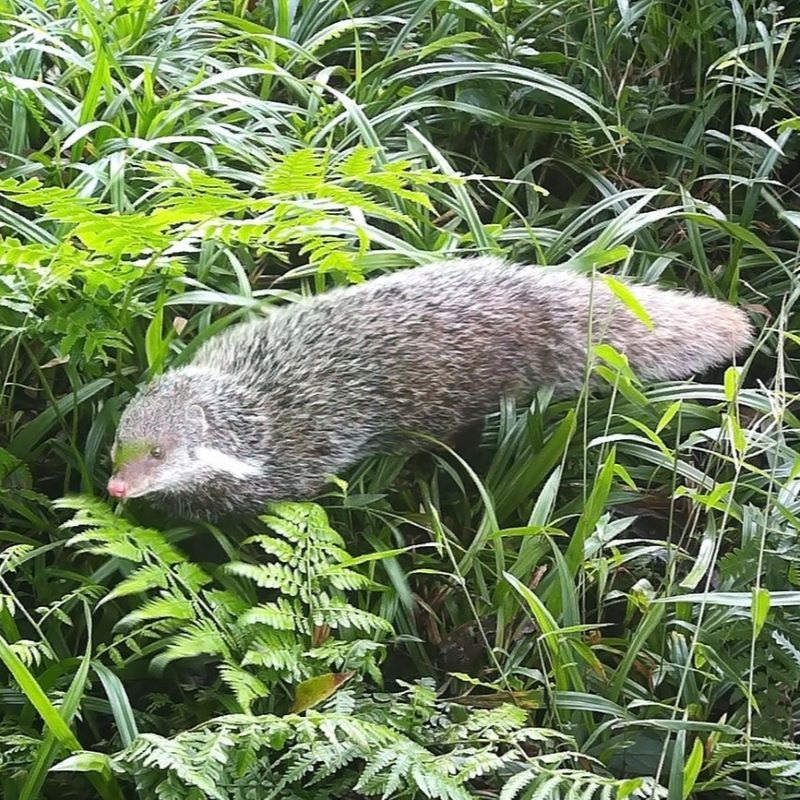 | 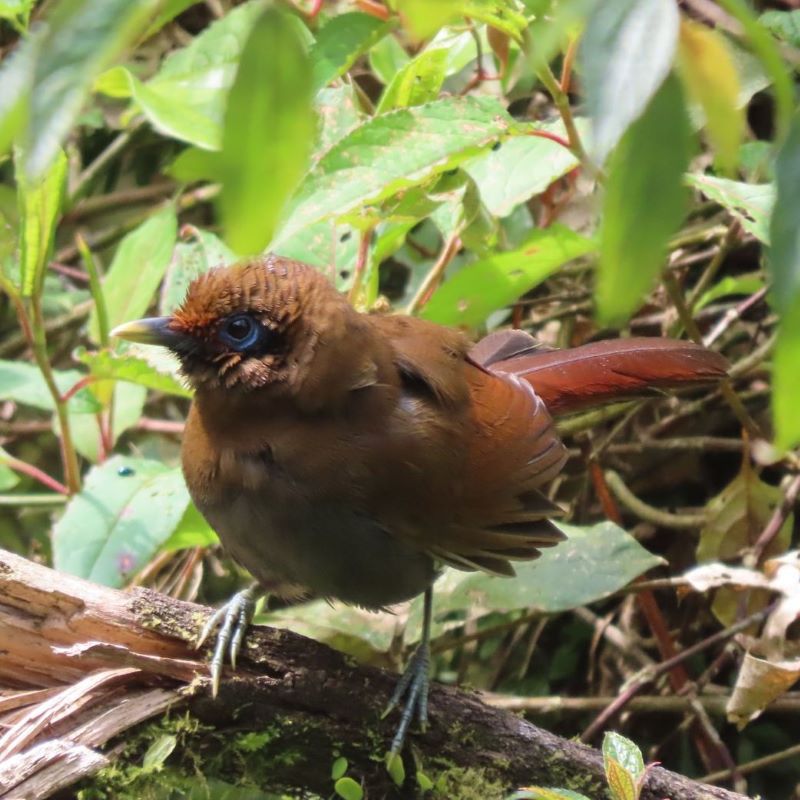 | 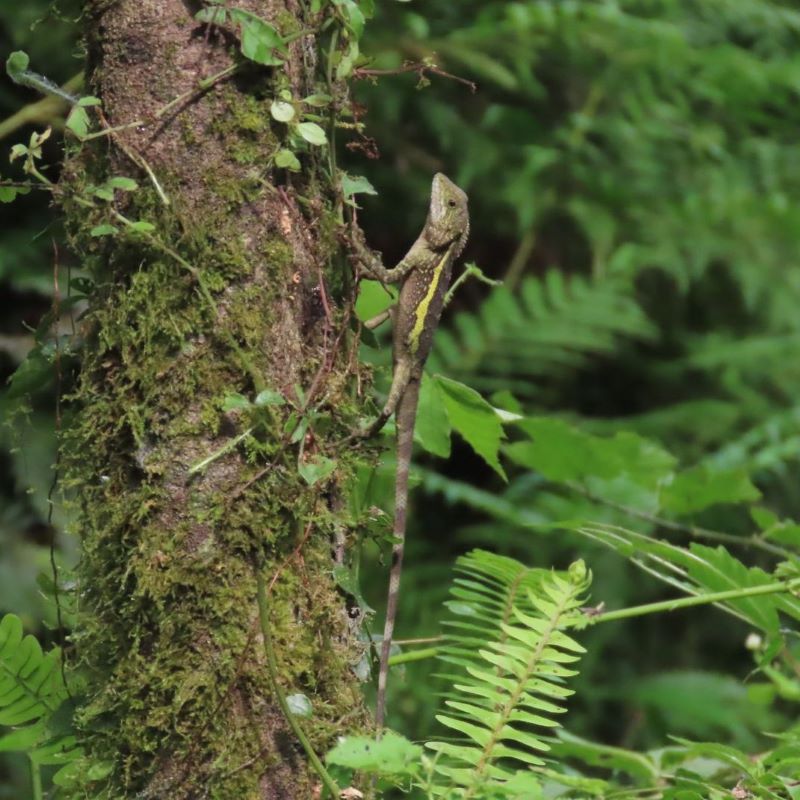 |  | 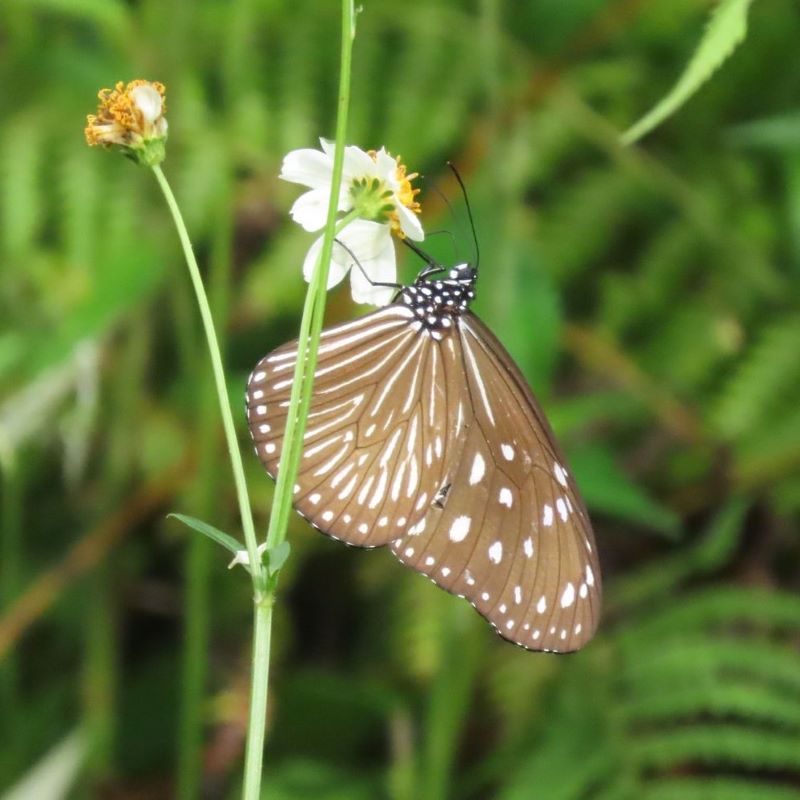 |  |
View full data table (2021–2025 Shannon-Wiener Index)
| Species | 2021 | 2022 | 2023 | 2024 | 2025 |
|---|---|---|---|---|---|
| Mammal | 0.82 | 0.77 | 1.10 | 1.05 | 1.26 |
| Bird | 2.87 | 2.72 | 3.14 | 3.12 | 3.12 |
| Reptile | 0.90 | 0.55 | 0.72 | 0.99 | 1.01 |
| Amphibian | 1.62 | 1.51 | 1.69 | 1.68 | 1.70 |
| Butterfly | 2.60 | 2.80 | 2.99 | 3.26 | 3.34 |
| Plant | 1.70 | 1.68 | 1.63 | 2.22 | 2.23 |
Biodiversity Index in Hoping and Taibaishan Quarry. Data source: Annual Third-Party Flora and Fauna Monitoring Report