





2050 Net-zero Pathway for the Cement and Concrete Business Units Worldwide

2050 Net-zero Pathway for the Cement and Concrete Business Units Worldwide
TCC's Road Map to 2050 Net-zero Pathway for the Cement and Concrete Business Units Worldwide
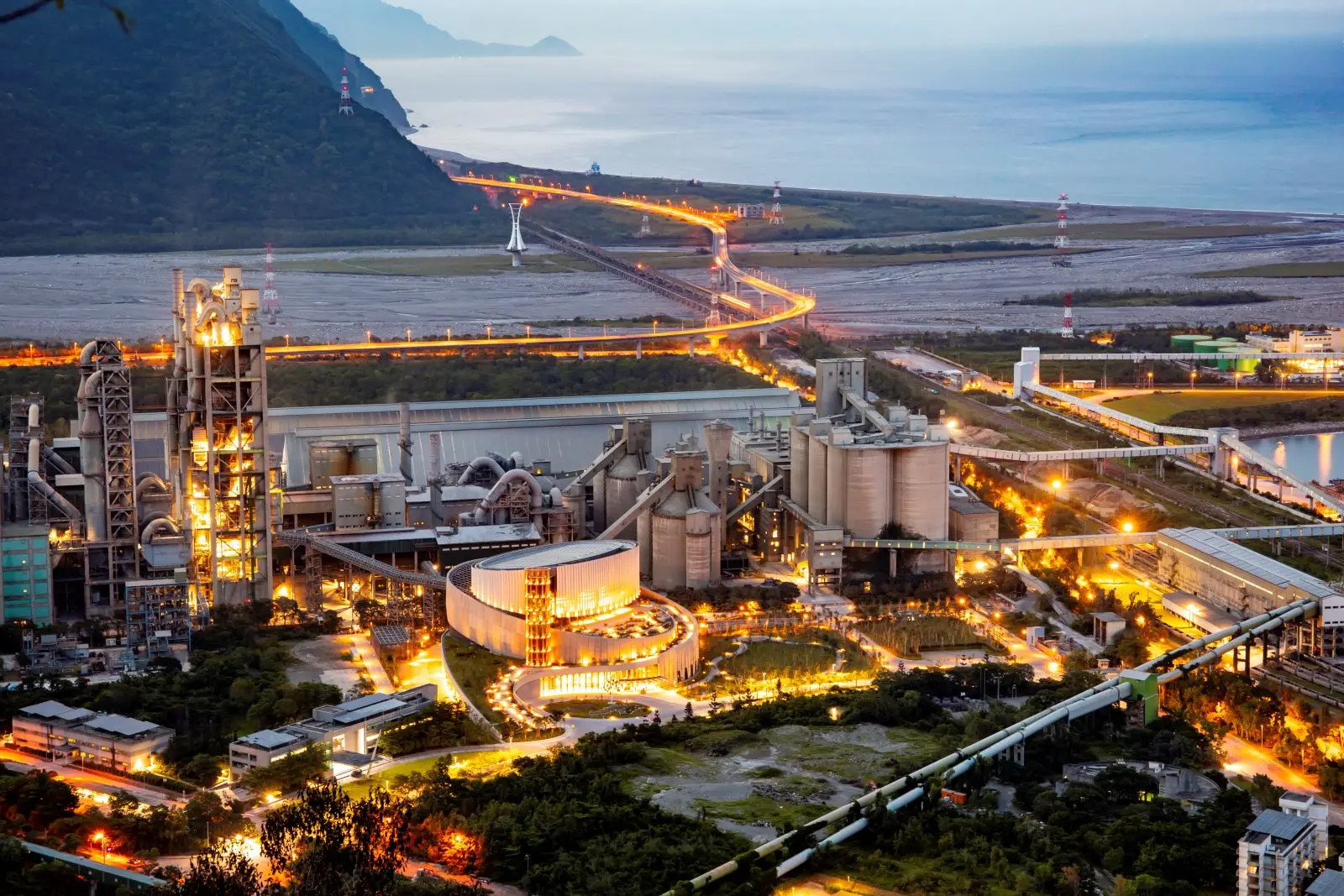
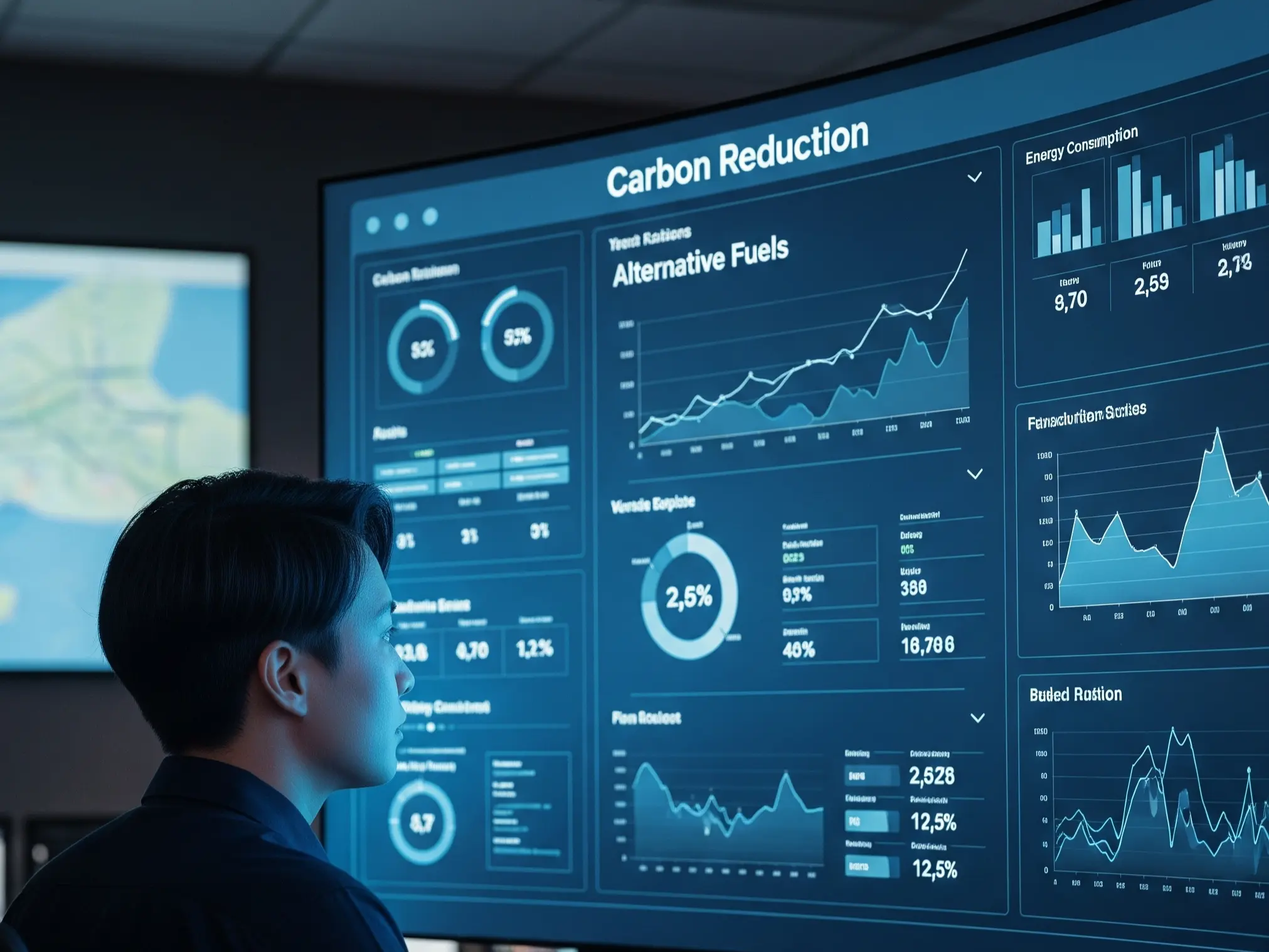
Contributing over 80% of emissions and 70% of revenue, Cement and Environmental Protection Business is TCC's decarbonization core. In 2024, TCC launched "2050 Cement and Environmental Protection Business Net Zero Pathway," covering all sites in Taiwan, Mainland China, CIMPOR, and OYAK Cement. Aligned with SBTi 1.5°C methodology, ISO IWA 42 Net Zero Guidelines, and IEA’s Net Zero Pathway and World Energy Outlook report, key strategies include Alternative Clinker/Raw Materials/Fuels, Power Generation by Waste Heat Recovery, Process Enhancements, Renewable Energy and Carbon Capture, with natural carbon sinks for carbon removal. TCC will extend this net-zero planning group-wide in 2026.
Coverage
The net-zero pathway scope covers all operational sites in Taiwan, Mainland China, CIMPOR, and OYAK Cement
Methodology
.png)
TCC Global Cement & Concrete Net-Zero Pathway and Carbon Reduction Performance
2025 Decarbonization Performance | ||
|---|---|---|
Strategy | Emissions Reduced (tCO2e) | Contribution |
Alternative Raw Materials / Alternative Clinker | 10,470,000 | 58% |
Alternative Fuels / Process Enhancements | 6,750,000 | 37% |
Renewable Energy / Power Generation by Waste Heat Recovery / Other Energy-Saving Measures | 970,000 | 5% |
Total | 18,190,000 | 100% |
Avoided Emissions of TCC Business Units Worldwide
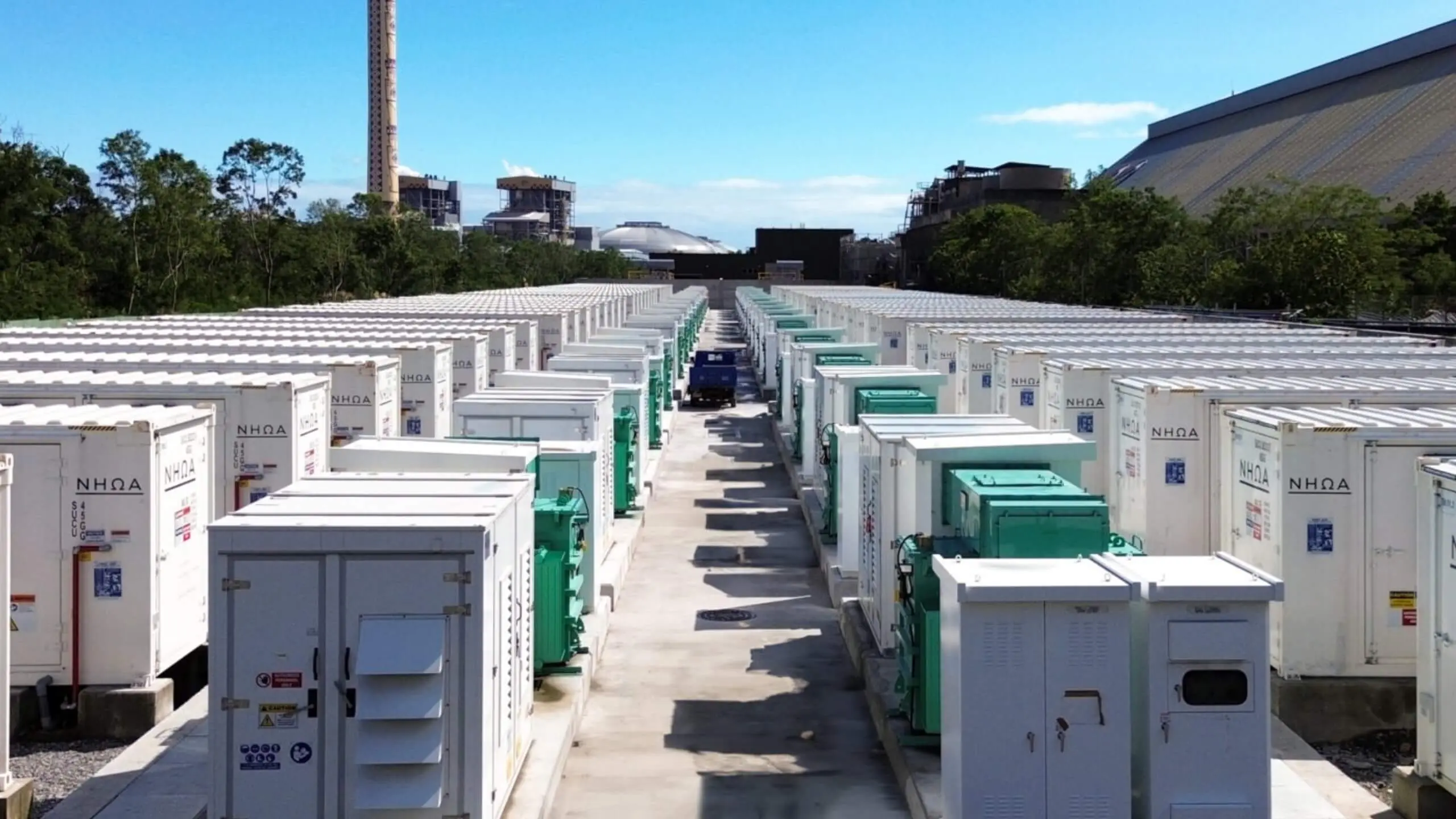
Using global standards and international methodologies, the external carbon reduction capabilities of low-carbon construction materials, renewable energy, energy storage, and the battery industry are assessed, aiming to transform and enhance corporate value through increased influence.
Methodology
Low-carbon Construction Materials | Resource Recycling | Green EnergyRenewable Energy | Green EnergyEnergy Storage | Green EnergyBattery |
 2025 Performance -1,002,000 2030 Target -1.69million |  2025 Performance -95,000 2030 Target NA | 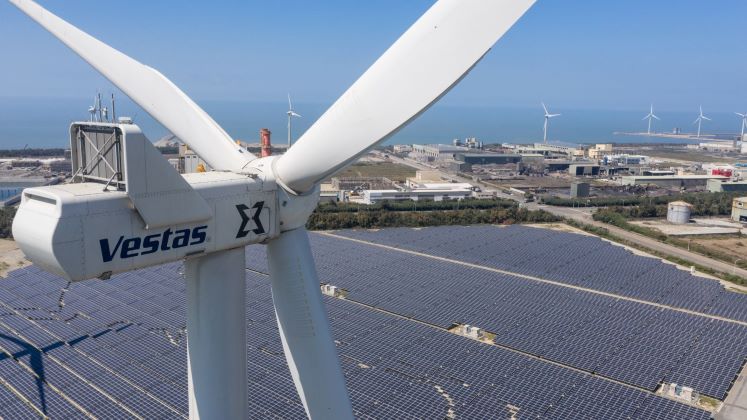 2025 Performance -61,000 2030 Target -530,000 | 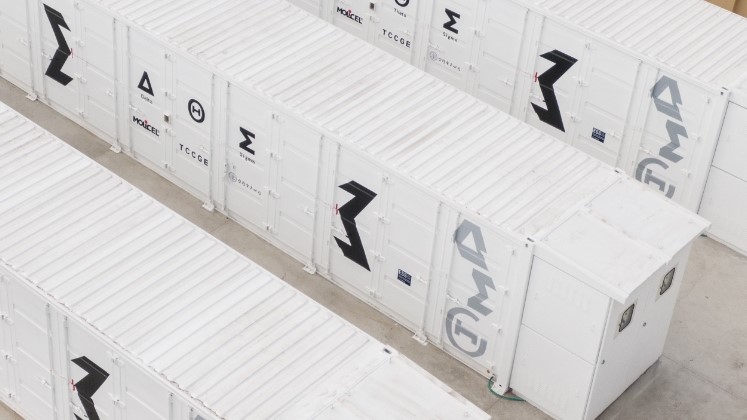 2025 Performance -110,000 2030 Target -160,000 | 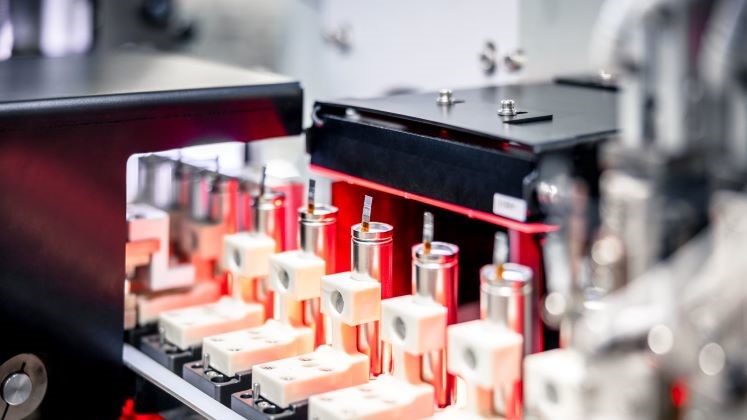 2025 Performance -2,930 2030 Target -320,000 |
Avoided Emissions of TCC Business Units Worldwide in 2025 (Unit: metric ton CO2e) | ||||