


Taiwan Sustainable Taxonomy
Primary Economic Activities (Operating Revenue)
Steps | Economic Activity | ||||||||
|---|---|---|---|---|---|---|---|---|---|
Economic Activity Category | Cement | Waste Management | Freight truck transportation | Highway transport and public transportation infrastructure | Renewable energy generation, facilities, and related accessories | Infrastructure supporting low-carbon water transport | Energy storage facilities and related components | Installation of equipment or systems, technology development, and professional services related to water conservation, water resource recycling, or the development of alternative water sources | Other |
| 2025 Operating revenue and its proportion of Total Operating Revenue Unit: NT$1,000 (%) | 114,534,840 (76.46%) | 650,858 (0.43%) | 399,570 (0.27%) | 1,373,202 (0.92%) | 711,763 (0.48%) | 46,131 (0.03%) | 8,036,826 (5.36%) | 0 | 18,014,308 (12.03%) |
| Whether "Ordinary economic activities " and "Supportive economic activities" under this guideline are applicable. | Ordinary economic activities | Ordinary economic activities | Ordinary economic activities | Ordinary economic activities | Supportive economic activities | Supportive economic activities | Supportive economic activities | Supportive economic activities | Not eligible |
| Determine whether the activities are a sustainable economic activity based on the following criteria. | |||||||||
| Criterion 1: Compliance with the technical screening criterion of "making substantial contributions to mitigating climate change" | YES | YES | NO | YES |
|
|
|
|
|
| Qualified Items | Climate change mitigation | Transition to a circular economy | - | Climate change mitigation & Transition to a circular economy |
|
|
|
|
|
| Criterion 2: whether the activity "does no significant harm to the other six environmental objectives" | YES | YES | NO | YES | YES | YES | YES | YES |
|
| Unqualified Items |
|
| Climate change mitigation & Pollution prevention and control |
|
|
|
|
|
|
| Criterion 3: Compliance with the criterion of "not causing significant harm to social Security” | NO | YES | YES | YES | YES | YES | NO | YES |
|
| Is there any transition plan? | Yes |
| No |
|
|
| - |
|
|
| Results: Compliance of individual economic activities with this guidance and their level of sustainability. | In Transition | YES | NO | YES | YES | YES | In Transition | YES | Not eligible |
Sustainable Products Program
1. Classification System
TCC voluntarily aligns its business activities with the Taiwan Sustainable Taxonomy issued by the governing authority at its operational headquarters.
International Low-Carbon Rating Standards: Cement products fully adopt the Global Cement and Concrete Association (GCCA) Low Carbon Rating (LCR) standards (covering CEM II, CEM III, CEM V, CEM VI, etc.) to scientifically define grades of low-carbon building materials. An official GCCA Compliance Audit is scheduled for Q4 2026.
2. External Verification
Dual EPD Certifications: In December 2025, Portland Limestone (IL) Cement produced by Hoping and Suao Plants, alongside Portland Limestone (IL) Cement Concrete produced by Taipei Plant, officially obtained Type III Environmental Product Declaration (EPD) certifications (conducting Life Cycle Assessments in compliance with international standards including ISO 14025 and EN 15804). Overseas subsidiaries CIMPOR and OYAK Cement have also progressively obtained EPD certifications for cement and eco-friendly building materials since 2023.
Multiple Environmental & Health Labels: TCC’s Portland series cement and concrete products have all obtained the Ministry of Environment's Carbon Footprint Label, Carbon Reduction Label, and Type III EPD declarations. Additionally, cement products earned the Ministry of Environment’s Gold-Level Green Mark and Mainland China’s Low-Carbon Product Certification, while concrete products secured the Ministry of the Interior's Green Building Material Label and Low-Carbon Circular Building Material Certification.
For more information, please see Product Attributes & Safety.
3. Quantified and Time-Bound Targets
Global Cement and Concrete Association LCR standards
Rating | TCC Low-carbon Cement Products | TCC Low-carbon Concrete Products |
|---|---|---|
AA (Near Zero) | - | - |
A | - | - |
B | - | - |
C | OYAK Cement | Taiwan |
D | OYAK Cement | Taiwan |
E | OYAK Cement | - |
F | Suao & Hoping Plant | - |
Low-carbon Cement and Concrete Targets
TCC | TCC will exclusively produce and sell low-carbon cement and concrete |
CIMPOR | Sales proportion in the Portuguese market will increase to 90%, with export share reaching 30% |
| By 2030, CIMPOR will reduce the clinker ratio in cement production to below 65% | |
OYAK Cement | The proportion of CEM-I in gray cement sales will decrease from 23.4% to 12.2% |
| By 2030, the clinker ratio in cement production will decrease to 73% |
4. CAPEX/OPEX Investments in Sustainable Portfolio
Amid the accelerating global net-zero transition and intensifying extreme climate impacts, climate change has profoundly affected the business environment and competitive landscape. TCC continues to integrate climate-related risks and opportunities into corporate strategy and investment decisions, strengthening operational resilience and value chain competitiveness through scenario analysis, transition planning, and low-carbon technology deployment, driving the entire Group toward low-carbon transition and sustainable growth.
Climate Transition Funding: Under the Task Force on Climate-related Financial Disclosures (TCFD) framework, TCC allocated a total of approximately NTD 10.246 billion in response costs (combining Capital Expenditures/CapEx and Operational Expenses/OpEx) toward green opportunities—such as "Expanding Markets for Low-Carbon Products and Services (Developing Low-Carbon Building Materials and Services)"—as well as low-carbon circular production, technological innovation, and supply chain transformation.
Green Bonds and Loans: TCC issued green bonds and included low-carbon product R&D under the eligible project scope. For more information, please refer to Sustainable Finance.
5. R&D Resources
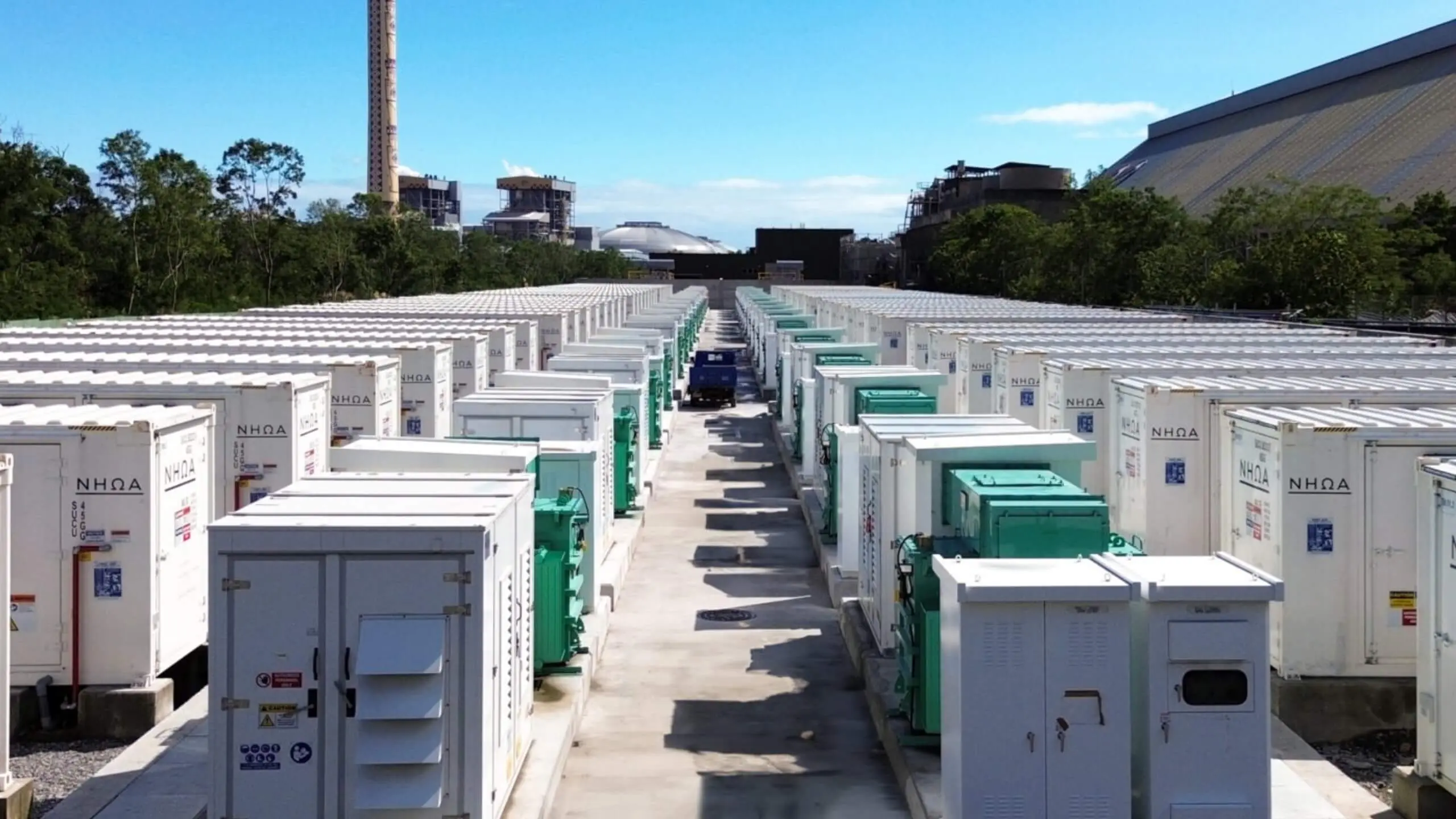
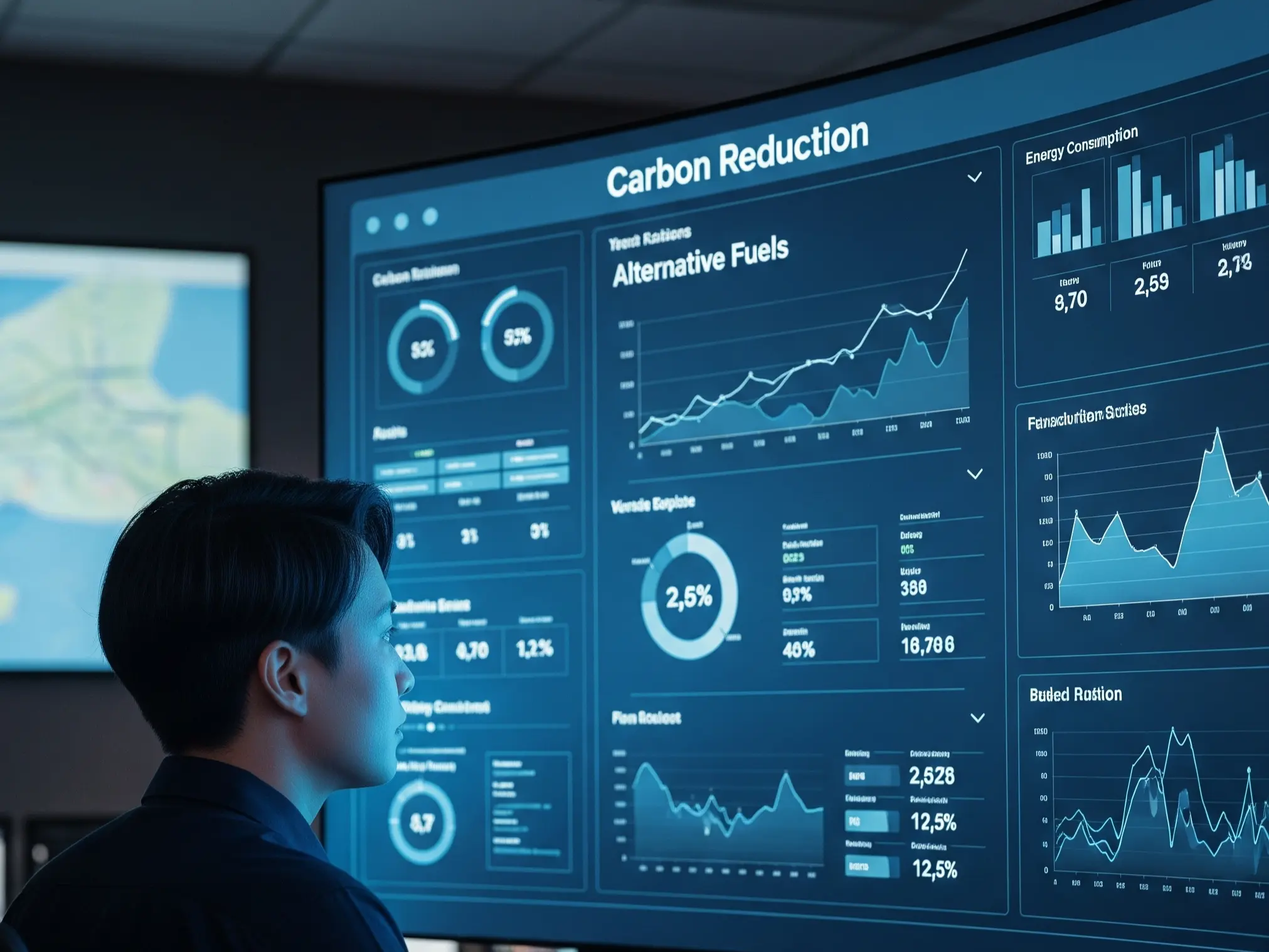
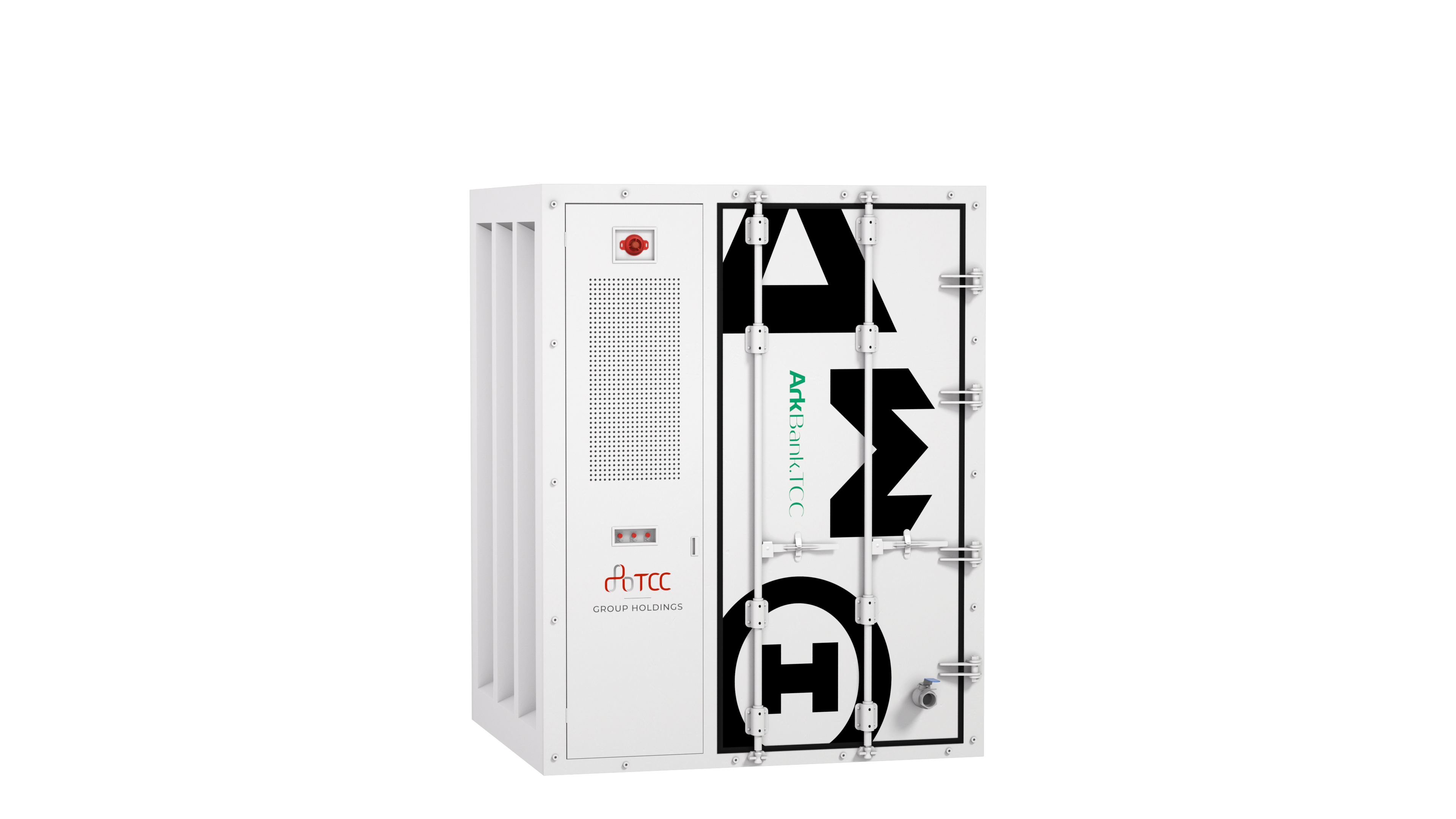
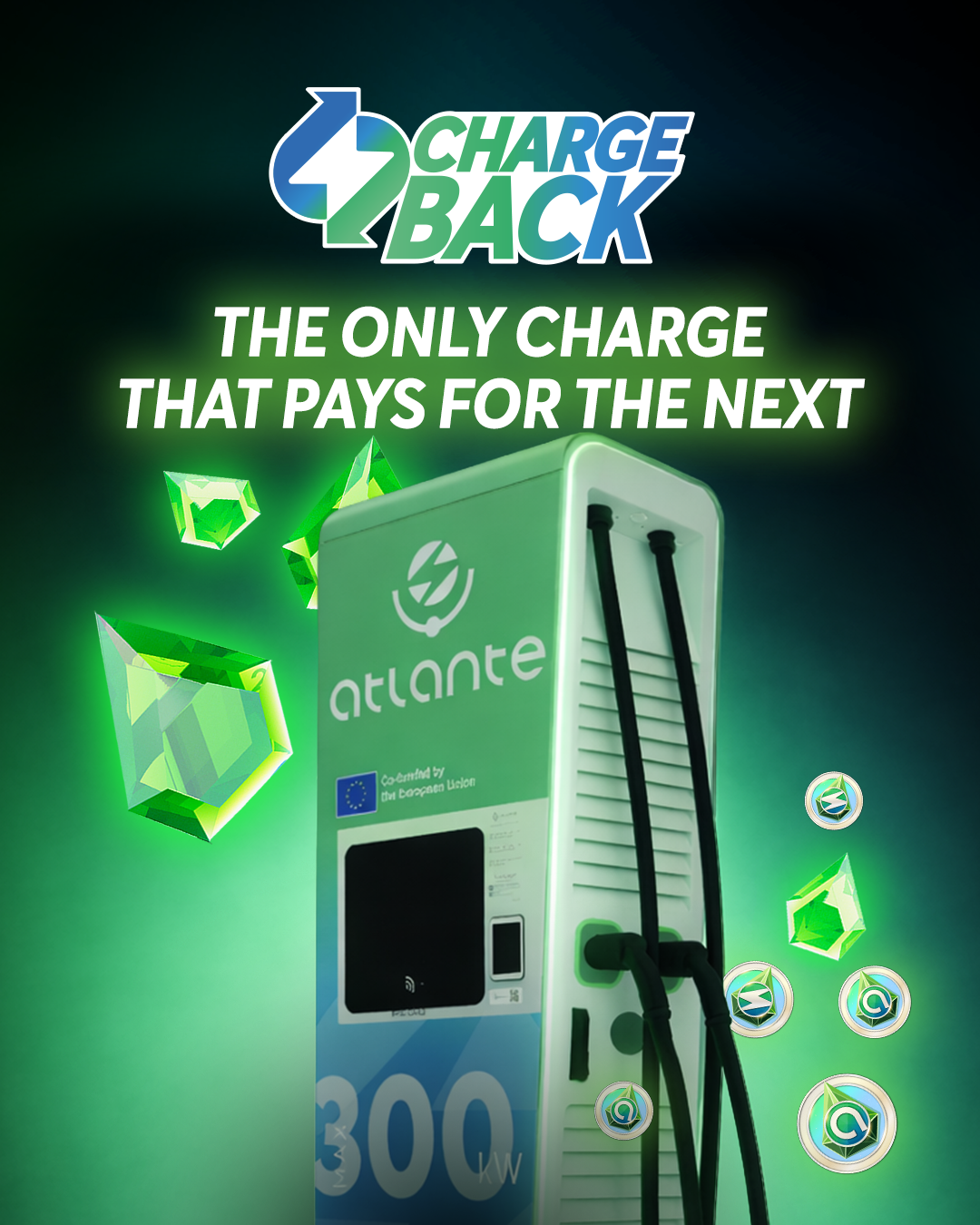
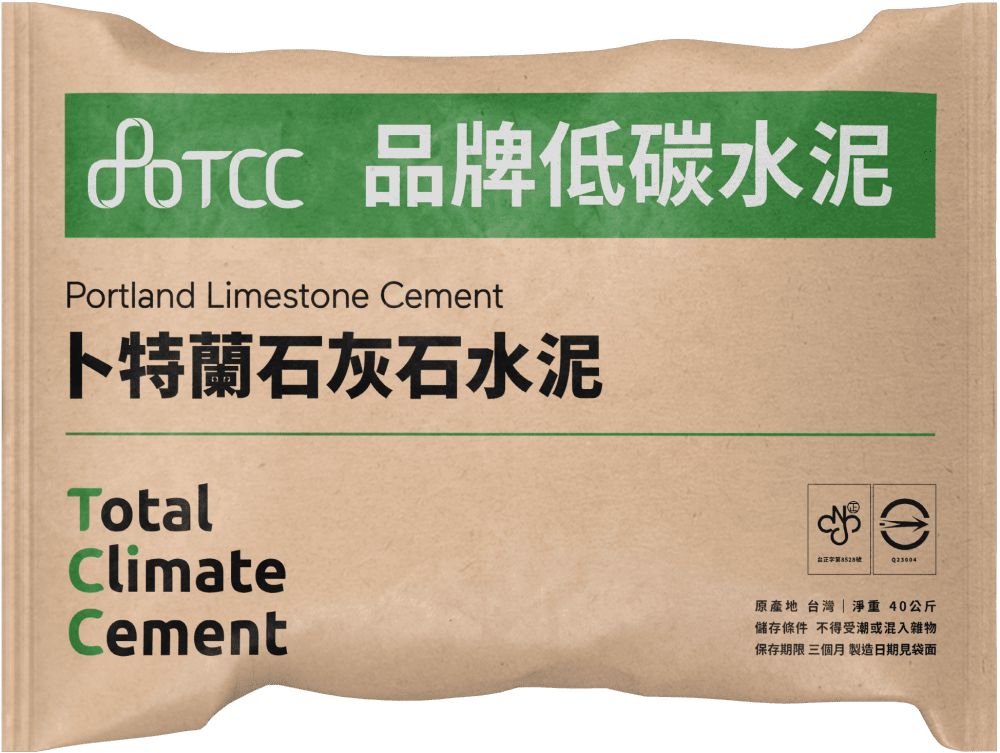
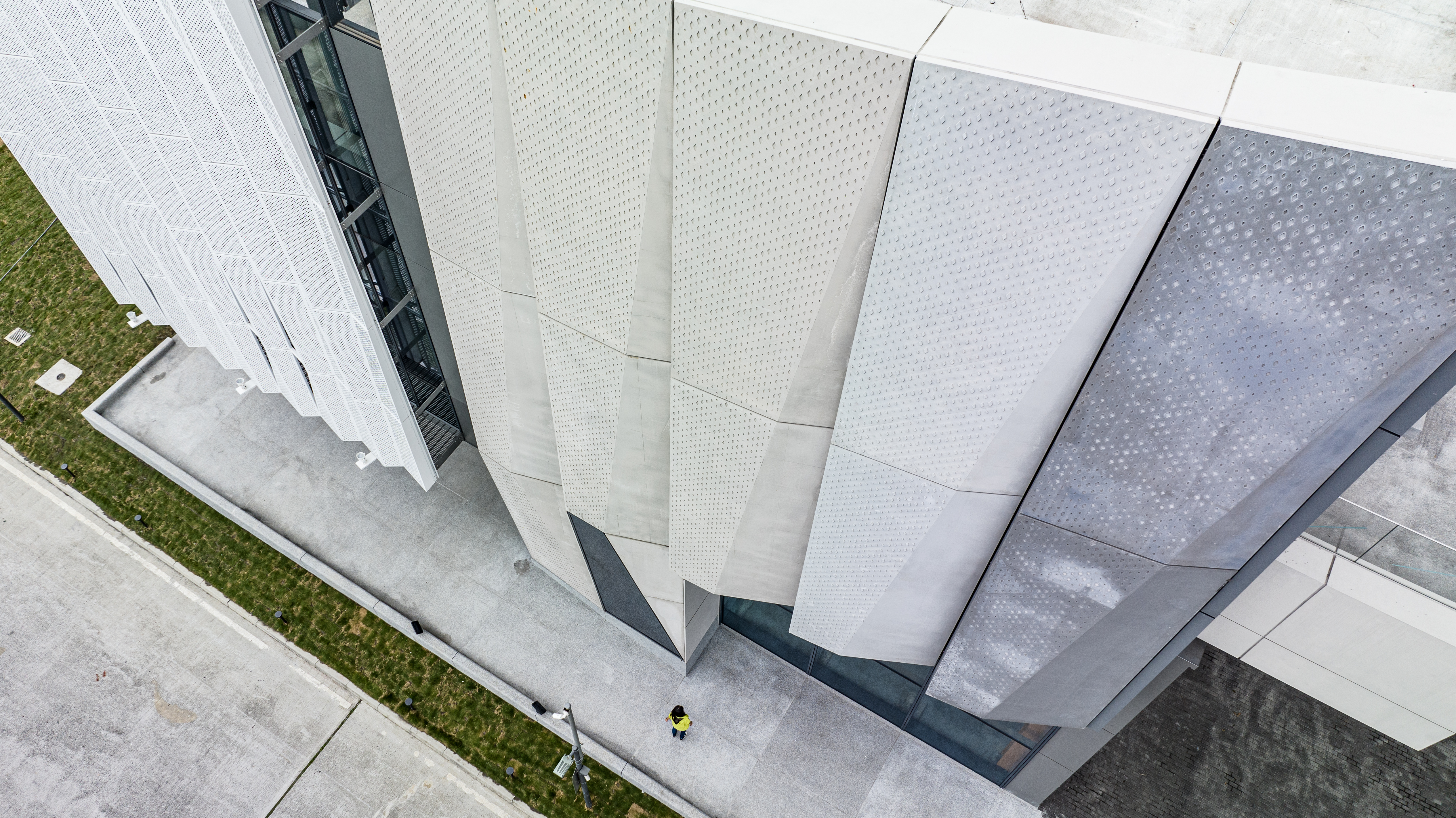
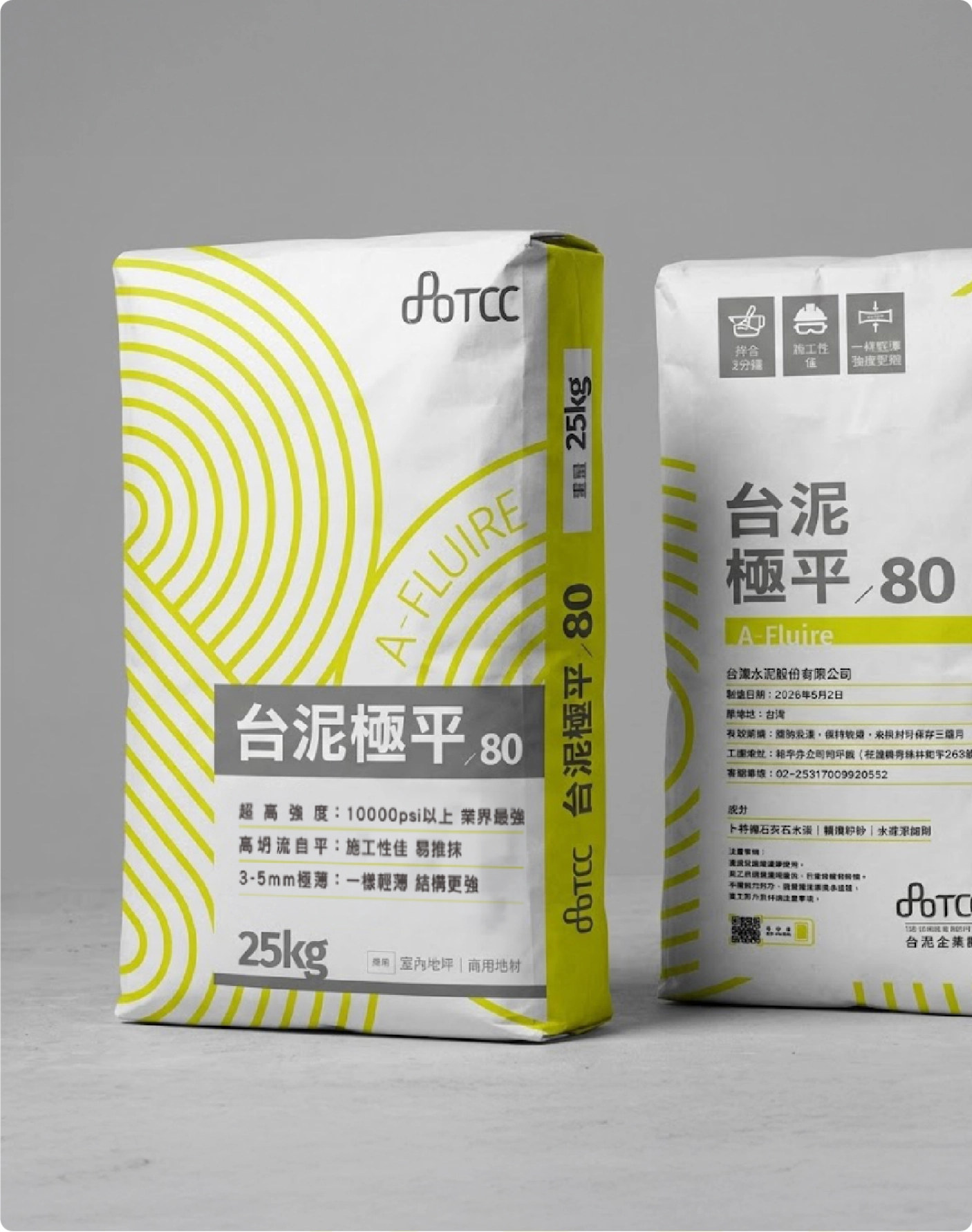
Climate technology drives diversified revenue and core competitiveness. Spanning Asia, Europe, and Africa, TCC leverages R&D resources and vertical integration to combine material science with energy storage and charging networks, delivering innovative low-carbon products and integrated new energy services.
|
.jpeg)
6. Infrastructure Improvements
TCC enters the industrial digital revolution, promoting Digital Twin and AI technology to leap from traditional automation to full-process AI autonomous optimization for unmanned smart factories. It drives human-machine collaboration with AI Agents, using AI as the core to trigger management innovation, reshaping work methods and organizational culture.
AI Smart Manufacturing: Hoping Plant builds a Digital Twin factory; Mainland China cement plants connect smart mines and smart factories, integrating AI Agent into the decision-making flow; Portugal's first 5G Industrial IoT smart cement plant promotes preventive maintenance through smart equipment operations.
Electric Transportation: Jurong Plant autonomous electric mine saves approximately RMB 6.12 million in fuel and labor costs annually, reducing carbon emissions by over 1,800 tCO2e per year, and boosts transport efficiency by 40%; Electric mining trucks at Hoping Cement Plant quarry reduce carbon footprint by 848 tCO2e annually and lower power costs by 78%; CIMPOR's first electric mixer truck will operate in Lisbon by May 2026, Taiwan expects rollout in 2026.
Process Innovation: X-Clinker full electrification of novel clinker production; Souselas Plant plans hydrogen energy for petcoke reduction.
7. Internal Training on Sustainable Design
The Company trained R&D and technological innovation units on low-carbon design theories and technological developments. In March 2026, experts from the Industrial Technology Research Institute (ITRI), Environmental Technology, UL, and Bureau Veritas (BV) held in-person training on "Environmental Product Declaration (EPD) Trends and Applications," analyzing ISO 14040/14025, EU EN 15804 standards, Digital Product Passport (DPP), and product development trends. Through Life Cycle Assessment (LCA) practices, the R&D team was guided to introduce sustainable design principles from the source, quantify product environmental impacts, and strengthen sustainable R&D of low-carbon construction materials and green energy products, with 72 participants.
8. Sales & Management Incentives
| Target Audience | Key Performance Indicator (KPI) | Weighting |
| Management Team | Green Product Innovation: Focusing on eco-friendly R&D to boost green revenue share. | 10% |
| All TCC employees (including the President, Vice Presidents, and managers) | All-Employee Sustainable Action and Sustainable Learning Action Program: Including environmental protection, decarbonization, water/waste management, strengthening supply chain partnerships, risk management, talent training, anti-corruption, and anti-bribery. | 10% |